This is a story about the way an individual might be killed by a modern city. A Moscow resident Katherine lives in a fast multifunctional lane. She tries to get on time for whatever is possible. She carries out her everyday duties which are too many in number and of many different kinds. One day, while trying to overcome her regular daily difficulties, Katherine finally finds out their total futility and senselessness.
Shambala Artykpay Suyundukov Kyrgystan. 2020. 85 min
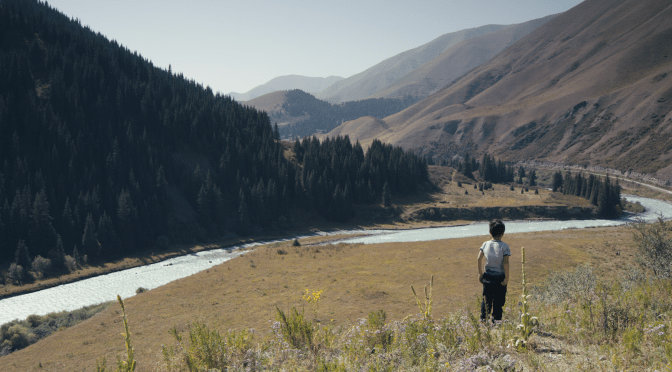
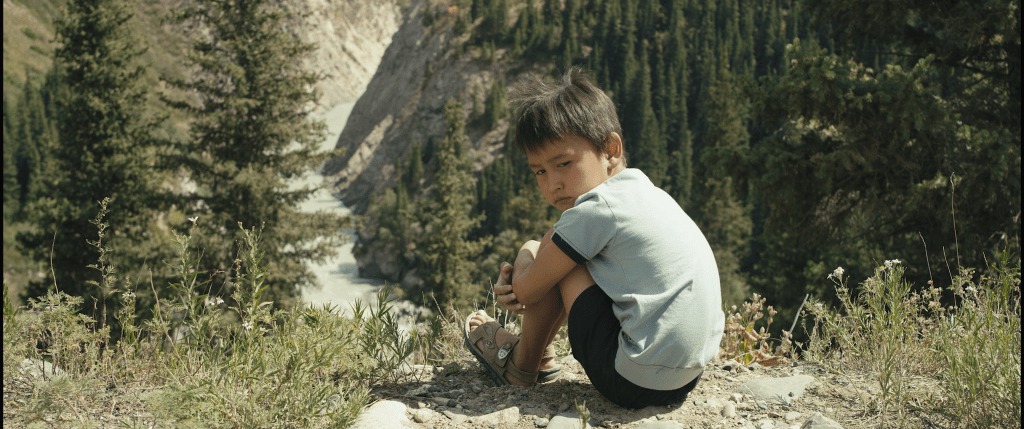
Based on the story “White Ship” by Chingiz Aytmatov On a forest cordon, lost high in the mountains, an old man with an old woman and an old man’s daughter with a husband live with a patriarchal way of life. It is a peculiar model of society-four adults and the fifth is the seven year old grandson of an old man, named Shambala. In the Kyrgyz language “sham” means “candle”, and “bala” means “a boy”, “a child”. That is, literally “boy candle” or “a boy emitting glow”. Shambala firmly believes into the ancient fairy tale – the myth about Mother Deer, who saved the last baby of their kinship from its enemies and fed it with her milk. Despite the fact that over time people have killed Deer, the boy believes and looking forward that someday deer will still return to their edges. The plot of the film is based on the tragedy occurred from an ancient myth about the Doe, which saved little boy from death and fed her own milk to him to helped him survive. It is a distinctive parable about crime and punishment. It is a warning, pantheistic feeling of the wildlife, which is perceptible in each tree and each animal.
ARTYKPAY SUYUNDUKOV
Artykpay Suyundukov was born in 1947 in Kyrgyz Republic. In 1978 he graduated All-Union State Institute of Cinematography (VGIK). After graduation, he worked on the position of film director in the Kyrgyzfilm Film Studio. He had made three feature films and about 15 documentaries. Since 2000, he is a faculty member in the university.
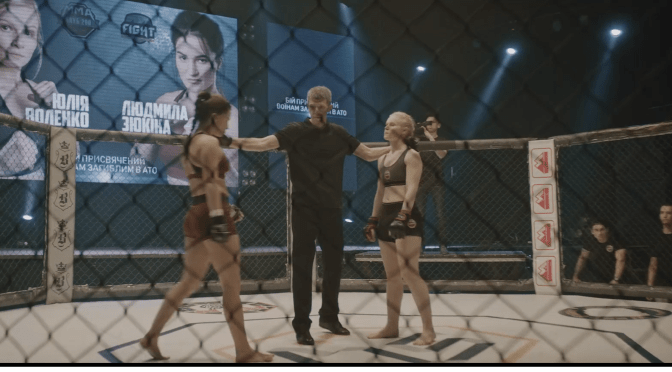
The war in Eastern Ukraine has ended, and the country is trying to return to regular life. So is Yulia, a 25-year-old professional MMA fighter. She has been waiting a long time for her fiancé Denys to return from the war. He is now presumed dead. Yulia is dealing with the trauma from the loss of her boyfriend. She also feels pressured by the people around her to keep living in endless mourning “for the war hero”. She is young and wants to open a new chapter in her life. She wants to escape from everything old and familiar. That is when Denys’s mother receives a dubious text message saying that her son was found alive and urgently needs money for a surgery that will save his life. They have one night to find the money. Yulia has to decide what she believes and what she really needs.
TARAS DRON
Ukrainian film director, producer and screenwriter, born in 1980. He studied information security at the Faculty of Automatics of the Lviv Polytechnic National University and film directing at the Lodz FilmSchool. Founder and owner of a film and video production studio and equipment rental, Nord Production. He has worked as a film director, music video director and commercials director in Ukraine, France and Poland. “Blindfold” is his second feature film.
Director’s filmography
2020 Blindfold 2018 DZIDZIO. First time 2016 Black Mountain (short) 2015 Ostap (short doc) 2013 Touch and see (short)
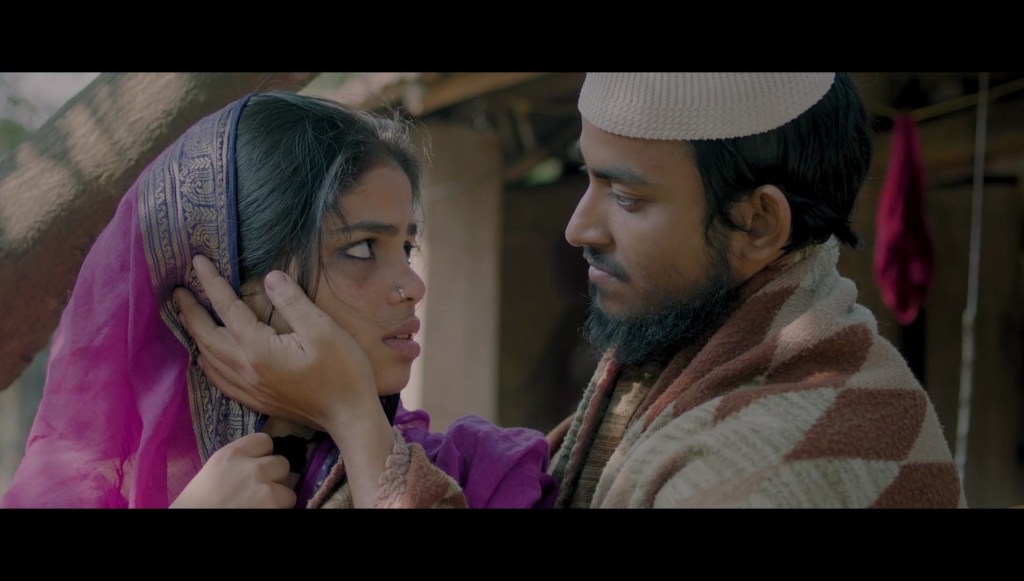
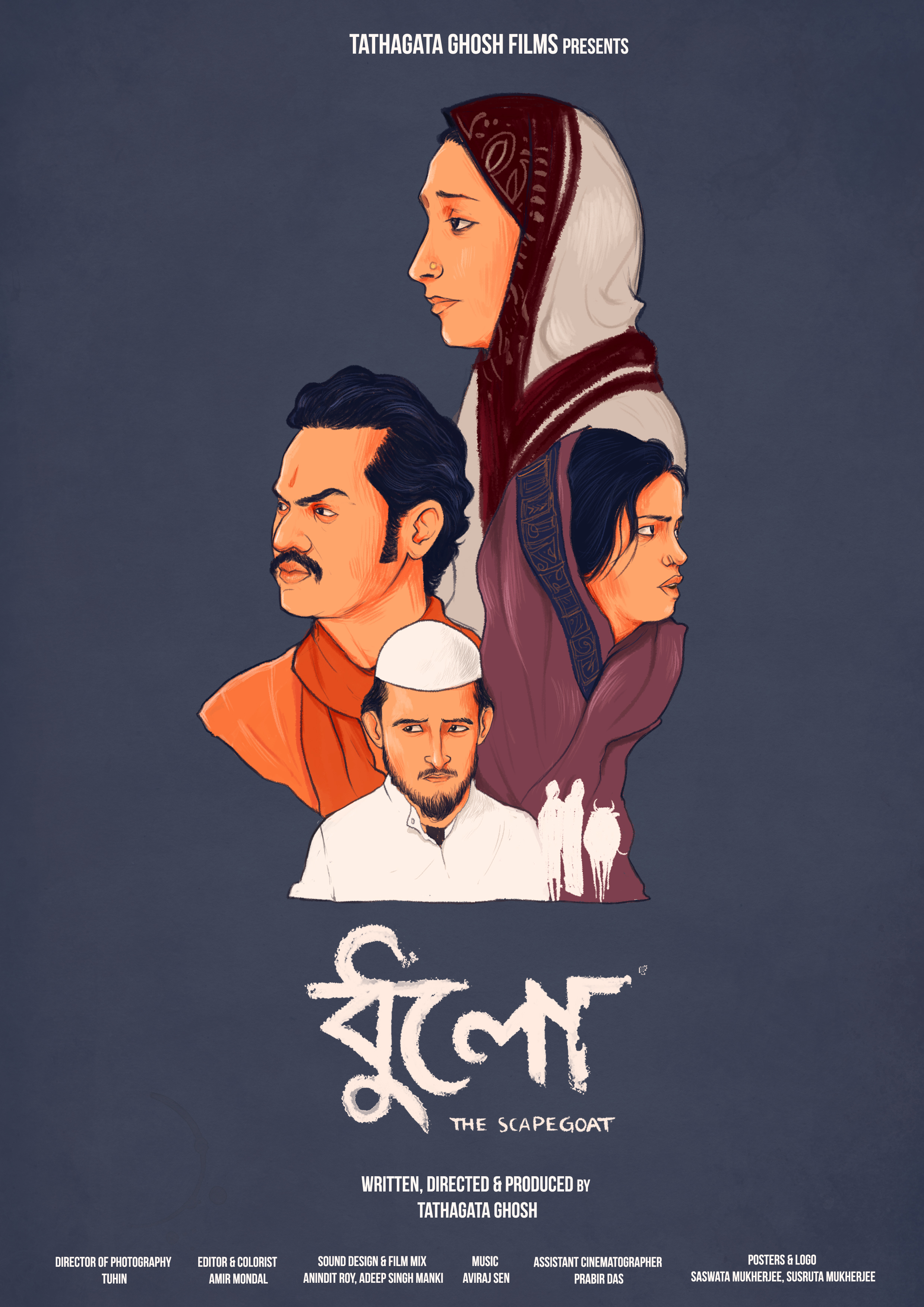
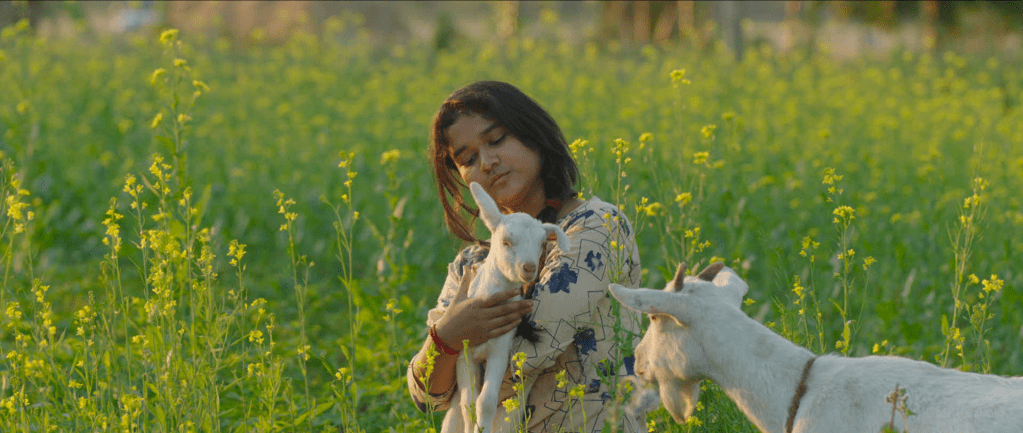
A woman in rural Bengal has to stand up against the deep rooted patriarchy and hate politics to prevent the bigots from causing more atrocities.
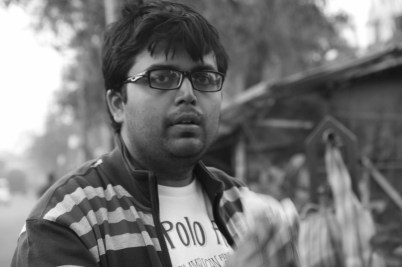
TATHAGATA GHOSH
A Berlinale Talents 2021 alumni, Tathagata has always believed in telling stories of people from different social backgrounds. People who do not have a voice of their own. He completed his B.Sc in Mass Communication and Videography from St. Xavier’s College, Kolkata and then his post-graduation from Vancouver Film School in Writing for Film and Television.
Tathagata has written for various leading web film magazines as well about cinema and film making. His Bengali detective novel “Senilar Sonket” got published in the 40th Kolkata International Book Fair in February 2016. He has also directed numerous commercials, music videos and written screenplays for several projects.
His last short films “Miss Man” and “Doitto”(The Demon) have travelled to numerous prestigious international film festivals like BFI Flare, Out on Film, Coalition of South Asian Film Festivals (CoSAFF), Tallgrass Film Festival, Cheries-Cheris, Wicked Queer, International Documentary and Short Film Festival of Kerala to name a few and have won several awards. “The Demon” is currently streaming on Disney+Hotstar and Cinemapreneur and “Mangsho”(The Meat) is streaming on MovieSaints.
Life Among War Flags Mohsen Eslamzadeh Iran. 2020. 75 min
Life Among War Flags is the narration of war from two perspectives. At the beginning of documentary, the camera accompanies the army into regions under control of government; and then it narrates the war from the interior view of the Taliban.
ISIS members from Turkey, Indonesia, Uzbekistan and some European countries who were interviewed in the Taliban’s secret prisons, provides another fascinating chapter of the documentary. When the war between Taliban and ISIS in Darzab (the most southwestern district of Jowzjan Province), finally ended after 58 days of conflicts with victory by the Taliban, he was able to enter to the sectors liberated from ISIS domination.
MOHSEN ESLAMZADEH
Mohsen Eslamzadeh the Iranian documentarist was born in 1980. He has lot of activities around art issues during more than 12 years. Eslamzadeh started documentary filmmaking in Sistan and Baluchestan of Iran and he could direct documentaries in Afghanistan, Pakistan, Libya, Syria, Iraq, Lebanon and Venezuela. His distinguished documentaries are “The Sunnies of Iran”, “Mothers of the Revolution“, “Mysteries of Abu-Salim Prison”, “In the name of Liberty” and “Looking for Peace“. He participated in few film festivals such as: “Fajr”, “Cinema Verity” and “Rooyesh” in Iran, “Aljazeera” in Qatar and “Human Rights” in Spain and he awarded in some of them. In 2015 Eslamzadeh injured during documenting a film about Takrit in Iraq; but he came back to directing after a while. “Alone among the Taliban” is the last film of Eslamzadeh, that it was a unique experience as he could attend among the Taliban of Afghanistan.
DIRECTOR,S NOTE
2 years after making my documentary “Alone Among Taliban” I decide to travel to Afghanistan once again. It took 2 months during the summer 2018 to make my latest documentary, “Life, Among War Flags ”.
The documentary has been filmed in a very difficult securitycircumstance. The lives of both me as the filmmaker and cameraman were at risk of being killed by either the Taliban or the Afghan army, if not by American drones. In the final segment, during which I decide to go to Taliban’s secret prisons to interview ISIS members, I accept those risks. Indeed, some months later US commandos would invade these prisons and kill many of the Taliban at the scene.
The Marriage Project Atieh Attarzadeh / Hesam Eslami Iran. 2020. 80 min
Encourage the patients from a mental hospital to form relationships with each other, get married and live as a family. That’s the bold new idea of the head of Ehsan House in Southern Tehran. For the past 20 years, its 480 patients have lived in separate male and female units. But in 2017, the head of the centre secured the money to build a new unit of marital facilities. As a selection committee begins evaluating patients, hiddenaffections come to the surface. Finally, the team selects two patients to form the first couple. Are these two patients capable of having a relationship that leads to marriage?
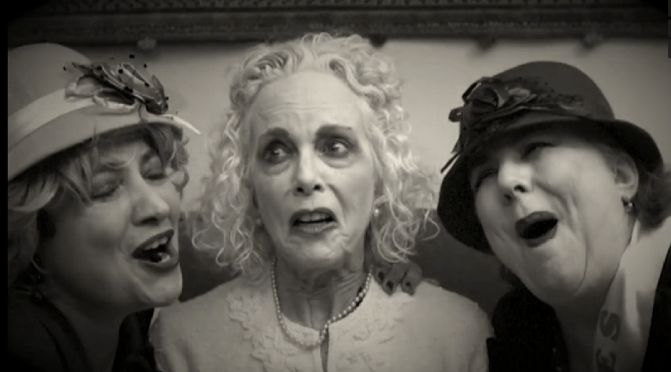
In black and white 1920s silent film style. On the day of her birthday, Sara feels sad and lonely. All of a sudden, two women from the Ministry of Old Women (MOOW), Joyce and Annie, are visiting Sara at her house unexpectedly.
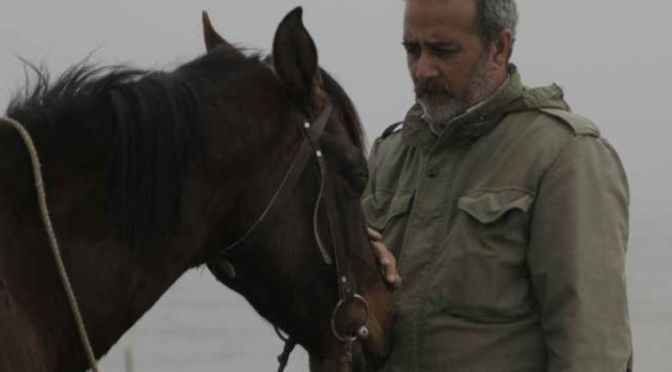
In rural northwest Iran, Gheirat, a modest charcoal producer, is pushed into a tragic spiral after his son, sentenced to jail, evades to Azerbaijan.
The story is set in a village in Azerbaijan, focusing on a family deep into some financial crisis. Yashar, son of the family is on parole for her sister’s wedding.
ESMAEEL MONSEF
Born in 1976 in Ardebil, Esmaeel Monsef studied cinema. He has directed three short films: Oyan (2010), Under the Colors (2012), Tears (2015) which were presented at Clermont Ferrand France, Teluride USA, Leeds England, Winterthur Switzerland Film Festival. As an editor he has worked on feature films such as, A Minor Leap Down, Without Borders and also documentaries such as I Want to be a King, Wining, The Rock and Slowness.
God On The Balcony Biswajeet Bora (Director) Noorul Sultan (Producer) India. 2020. 89 min
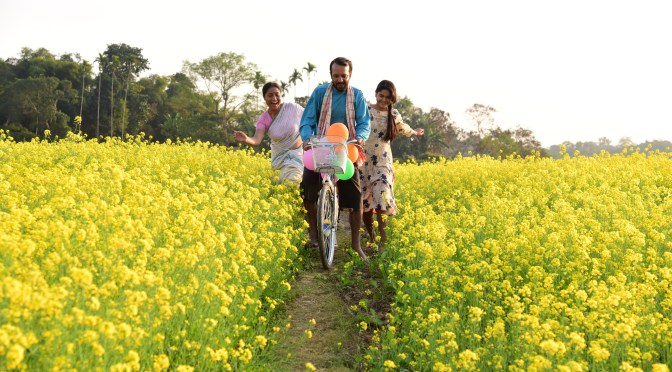
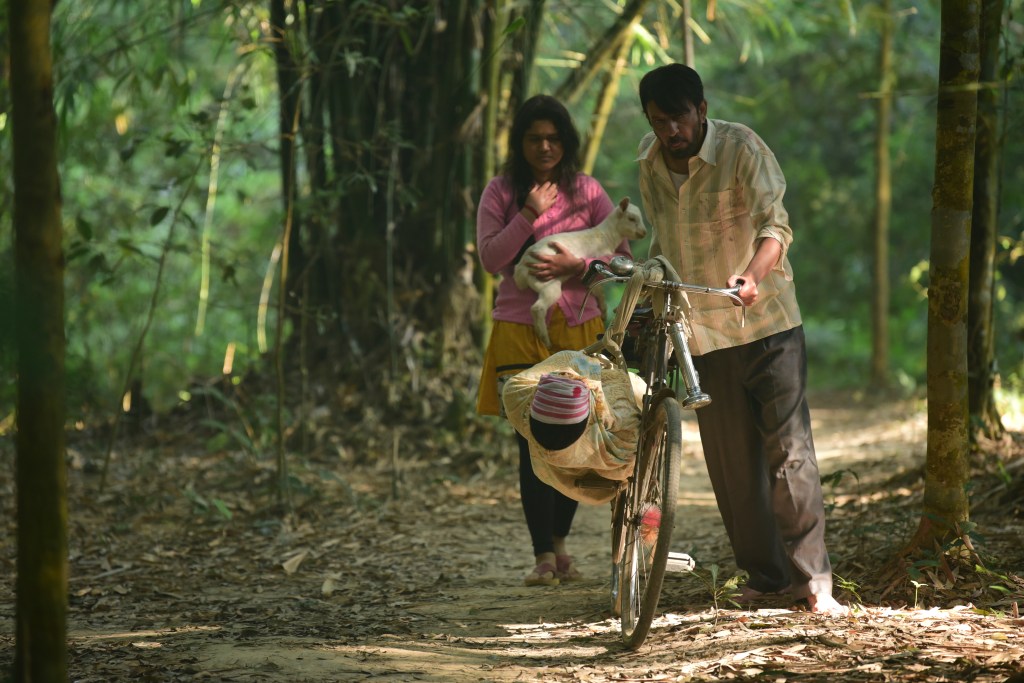
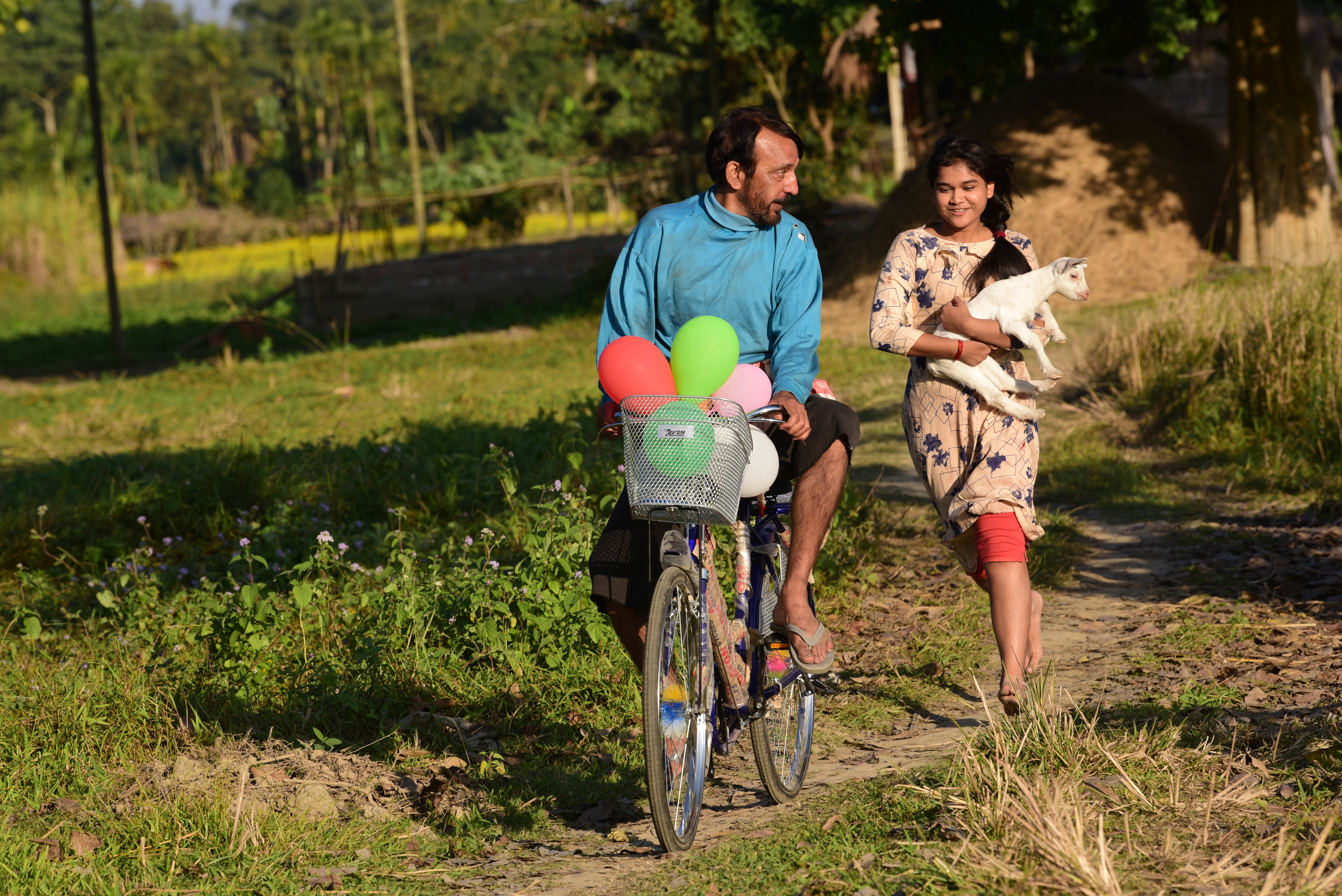
The film is set in a remote village of Assam. It revolves around Khagen, a farmer, his wife Numali, and daughter, Kuwali. Numali dies in anunfortunate incident where she was crushed to death by wild Elephants. Khagen takes her to the hospital where she dies. The story narrates his relentless struggles to carry the dead body of his wife on his bicycle back home from the hospital due to the unavailability of an ambulance. As he walks through the pebbled roads with the body & his young daughter, he comes across two reporters and as a result, their journey turns to a different battle altogether.
BISWAJEET BORA
Biswajeet Bora is an Indian filmmaker, producer, editor and writer and one of the renowned filmmakers from northeast India, now based in Mumbai. He worked with internationally acclaimed filmmaker JahnuBarua for 6 years as an Assistant Director before making his first Hindi film titled AISA YEH JAHAAN which was India’s first carbon neutral film. Later he forayed into commercial cinema in Assam in 2016 with BAHNIMAN, which was one of the biggest hits in Assam. His next film RAKTABEEZ was also a commercial hit, released in 2018. In 2017, his film PEHUJALI got critical acclaim and recognition in various international film festivals. His latest film GOD ON THE BALCONY has been well received at international festivals, and he bagged BEST DIRECTOR award for the film GOD ON THE BALCONY which have been selected in National Competition Section: Competition on Indian Languages of 26th Kolkata International Film Festival.
I was born and brought up in Assam. Since childhood I have been witnessing these kind of real stories out there. People are suffering in different ways due to negligence and under development but very few care for these people’s grievances.
Their struggles to live life despite being suffocated in many ways, inspired me to take on this subject. Their little hopes, joys and happiness are what motivated me to pen this story of their daily struggle.
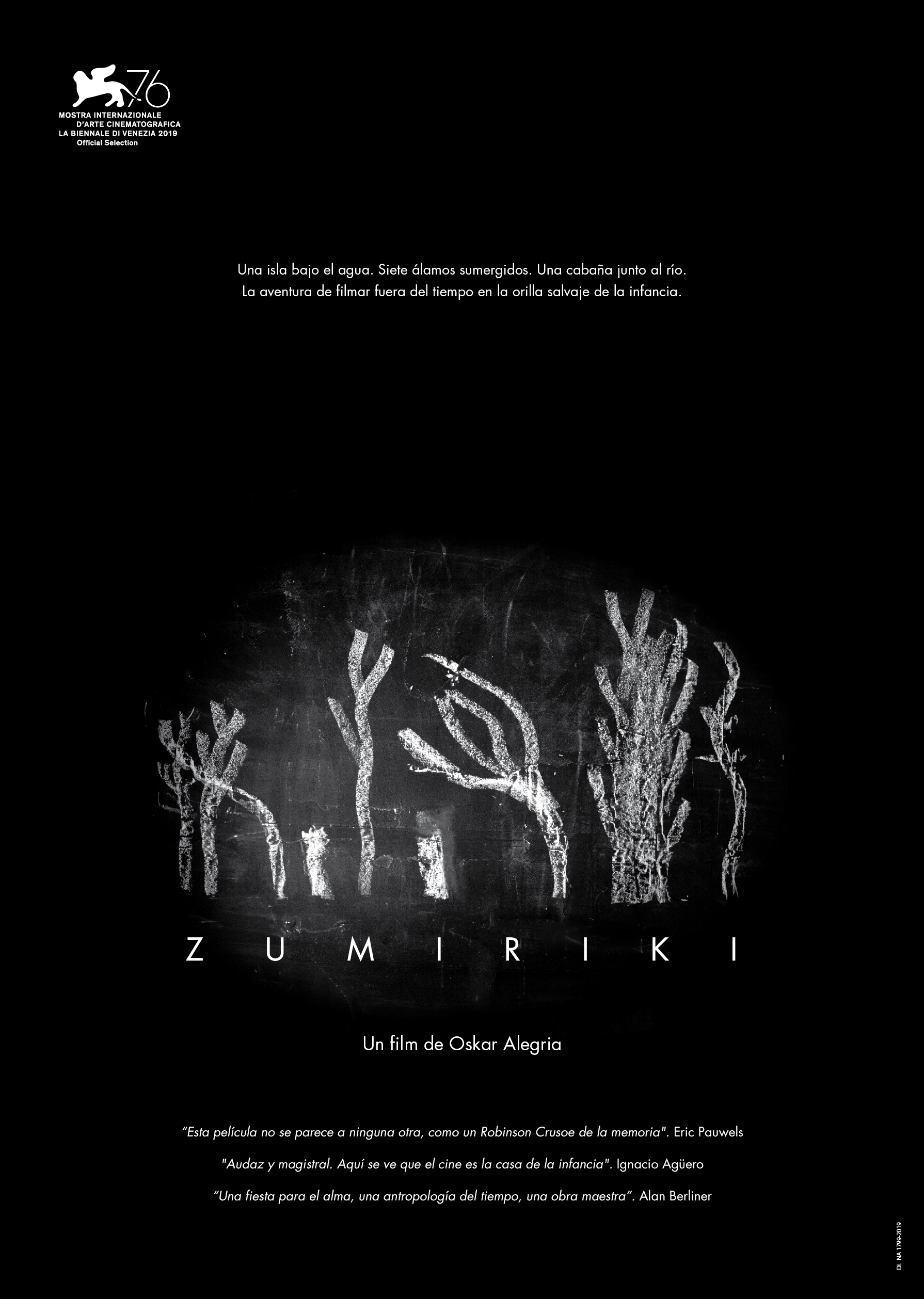
Is it possible to travel twice to the same memory? The filmmaker built a cabin on an isolated river bank, just opposite his childhood island, which had disappeared under the water after the construction of a dam. The goal was to go back to that place, which had become invisible. Only the trees of the island where he’d played stood firm in the middle of the water, like the masts of a broken toy, so the air was the only space left, the only vestige of the past to be conquered.
AN ATTIC OVER THE RIVER. A memory-shaped hut built of birch planks and balanced on columns of iroko wood like a house on stilts in flight over the shoreside waters. The architecture of a piece of nonsense. Set on the island of childhood, on the most inaccessible river bank, just opposite the great submerged poplar tree. The cabin was transported by water and along a narrow footpath that is only accessible on foot, and it took five months to build. It was camouflaged with branches, heather, hawthorn, brambles and moss from the island, which helped it blend into the landscape.
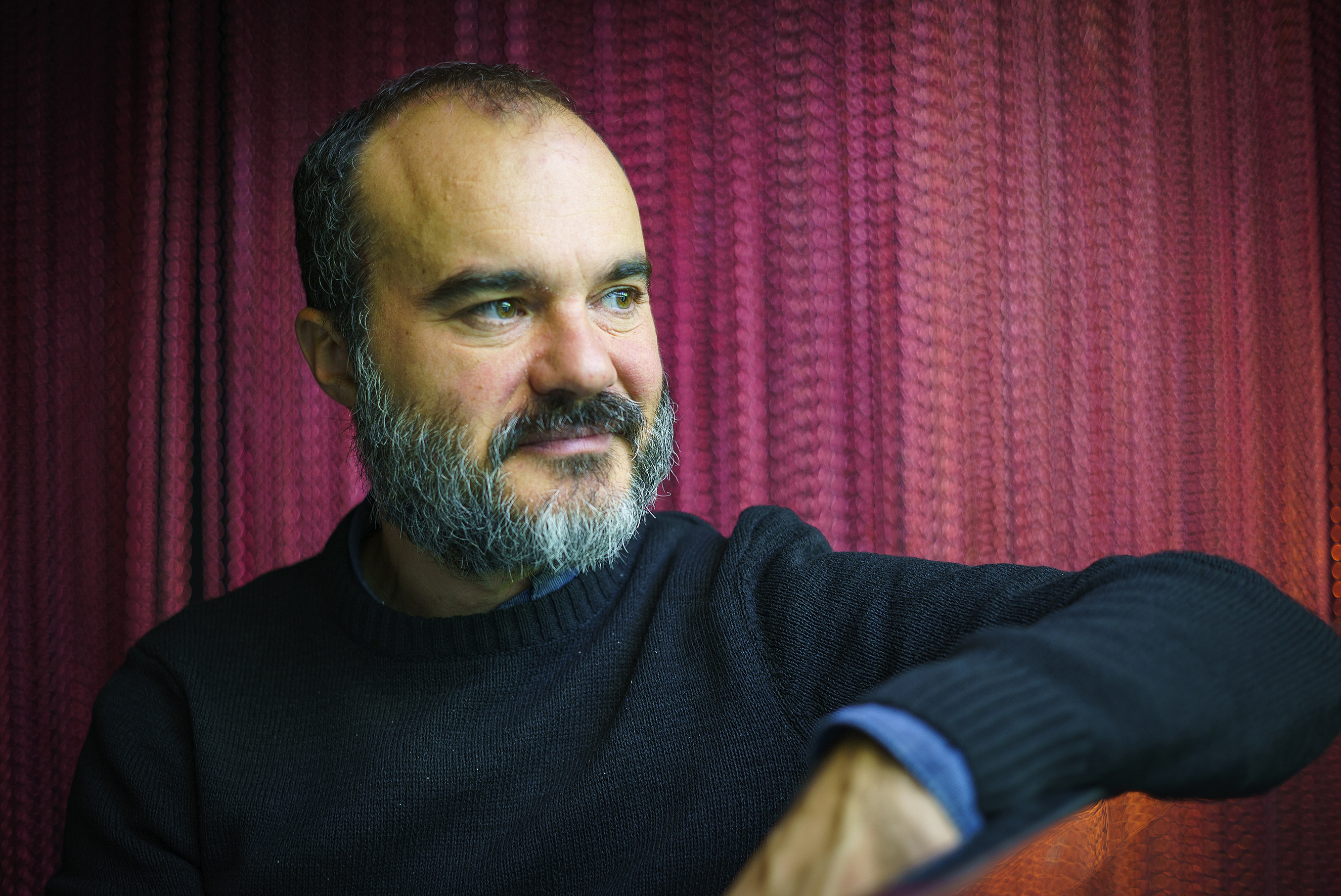
OSKAR ALEGRÍA
Oskar Alegría
Punto de Vista International Film Festival artistic director from 2013 to 2016 in Pamplona-Navarra. His first film Emak Bakia baita (the search for the house in the Basque coast where Man Ray shot his Emak Bakia film) was shown in BAFICI, Edimburgh, Telluride, San Sebastian, Shangài, Yamagata, DocLisboa, San Francisco and Denver Film Festivals, has been translated into 16 languages and won 17 awards.
FILMOGRAPHY
The Search for Emak Bakia (2012)
DIRECTOR,S STATEMENT
My father used to film the traditions and landscapes of his small village. One day I noticed he also used to film the plants and birds that were disappearing and at the same time and at the same time he noted down the words for them in old Basque. Then I learned that if words die, birds and plants also vanish. So filming was a way to save our ancient world.
QUOTES
“We knew that a painter could say it all by painting one single flower. Now we know that a filmmaker can tell it all by filming one single cloud.“ Isaki Lacuesta
“Bold and masterful. This film shows us that cinema is the home of childhood.” Ignacio Agüero
“This movie is unlike any other; like a Robinson Crusoe of memory.” Eric Pauwels
“A feast for the soul, an anthropology of time, a masterpiece.” Alan Berliner

















 imagineindiafestival.com