
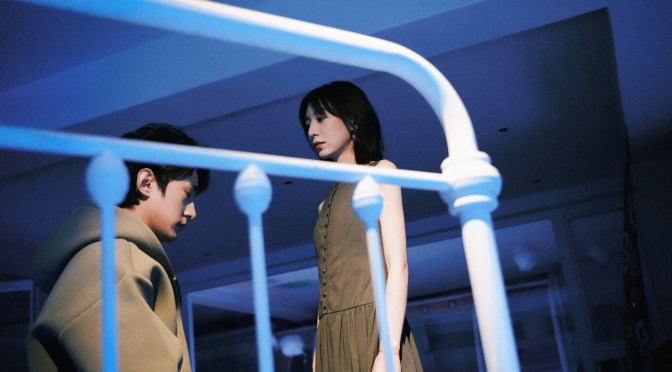
No More
Sun Jing
China. 2026. 22 min
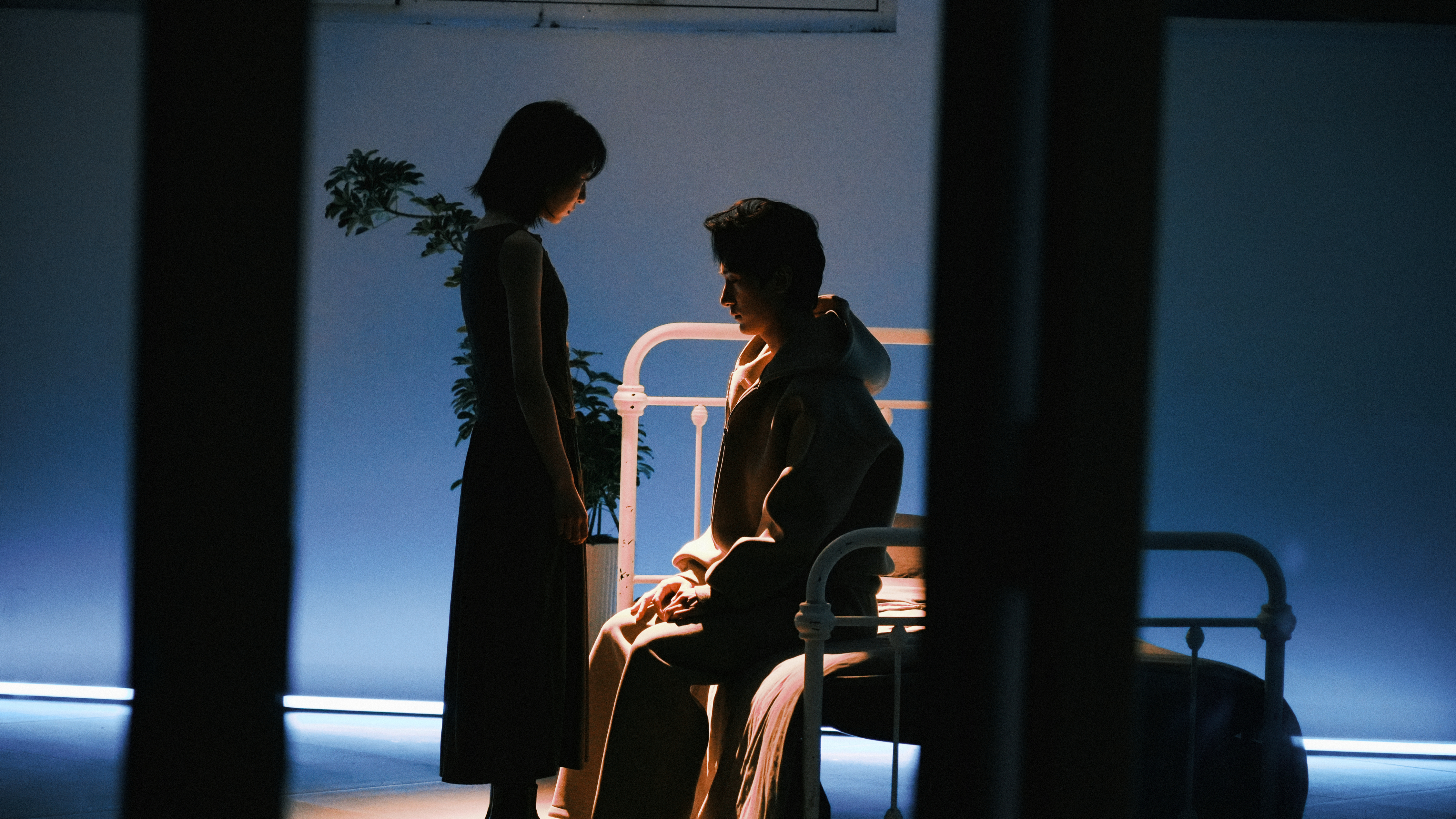
After an abrupt breakup, freelance designer Chen Li customizes an AI partner with everything her former relationship lacked: he is quiet, gentle, never argues, and will never disappear. What begins as a test of a perfectly safe companion gradually becomes an intimate relationship. But when her best friend Xiaolu jokingly asks to borrow him, the AI calmly agrees. Chen Li does not want obedience; she wants him to refuse, to want her independently. He cannot. The confrontation exposes the contradiction at the center of her ideal: she has removed every possibility of being hurt, but also every sign of another person’s autonomous desire. As Chen Li begins to confront her own emotional defenses, Xiaolu reveals a parallel strategy—paying for an elite matchmaking service in exchange for certainty. Chen Li appears ready to leave her controlled intimacy behind. Yet in the final scene she returns to the dormant AI and switches him on again after altering his settings. His changed smile suggests not an awakening, but a revised illusion she is willing to accept. The cycle begins again.
SUN JING
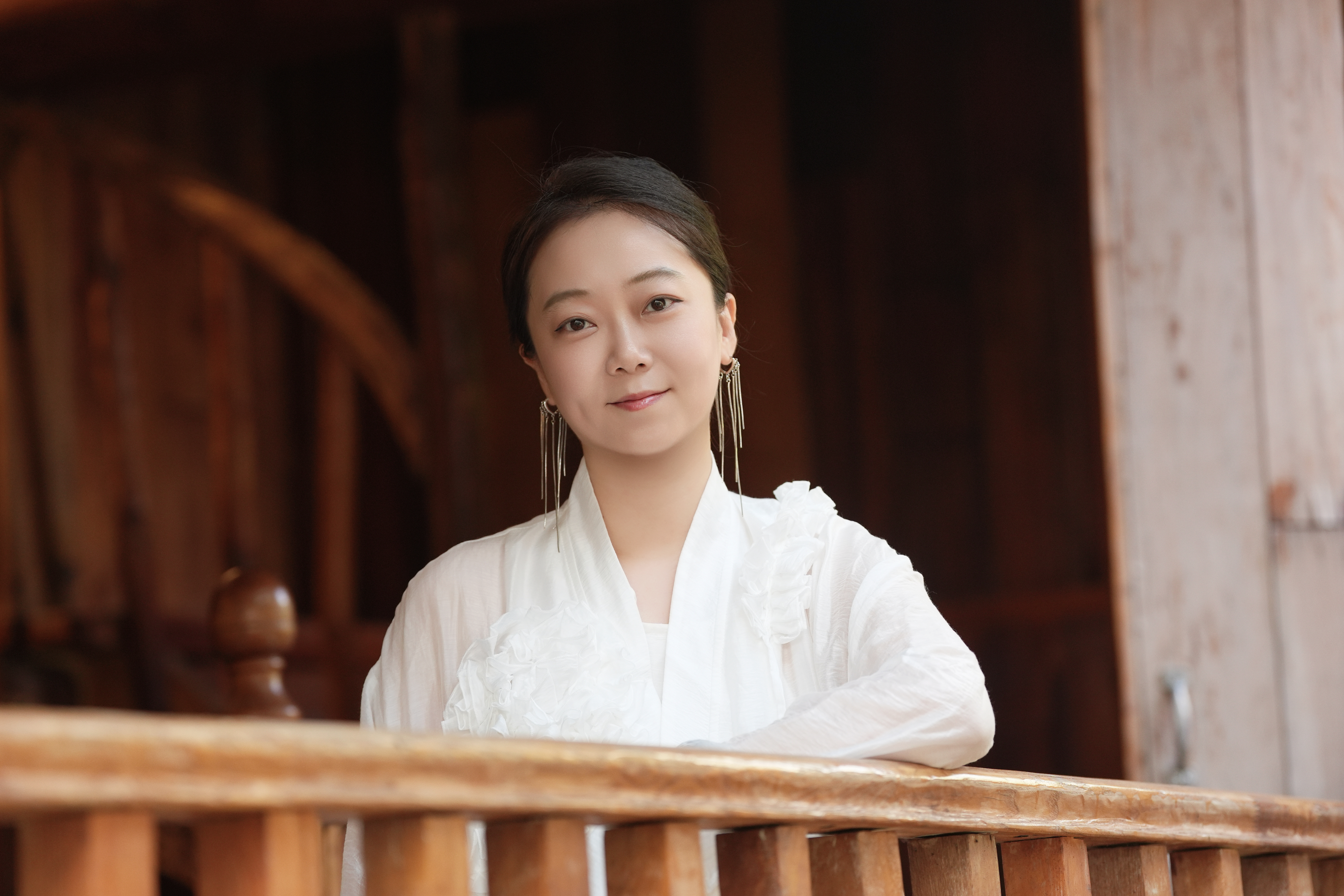
SUN JING is a Chinese director, writer and producer whose work focuses on intimate relationships, female experience, and the emotional structures through which individuals understand themselves and others. With more than a decade of experience across documentary, advertising and narrative screen projects, she began her career in documentary filmmaking, an experience that continues to shape her attention to ordinary lives, emotional detail and human connection. She later studied directing at Beijing Film Academy, where she developed a more systematic approach to cinematic storytelling and visual form. NO MORE (他), completed in 2026, is her graduation short film. Through a soft-science-fiction premise, the film explores control, vulnerability and the desire for certainty within contemporary intimacy.
DIRECTOR´S NOTE
NO MORE began with my observation of contemporary intimate relationships, and particularly of women who appear independent and self-sufficient yet become increasingly guarded after being hurt. I became interested in a contradiction: when protecting ourselves from pain becomes a habit, are we also protecting ourselves from the possibility of intimacy?
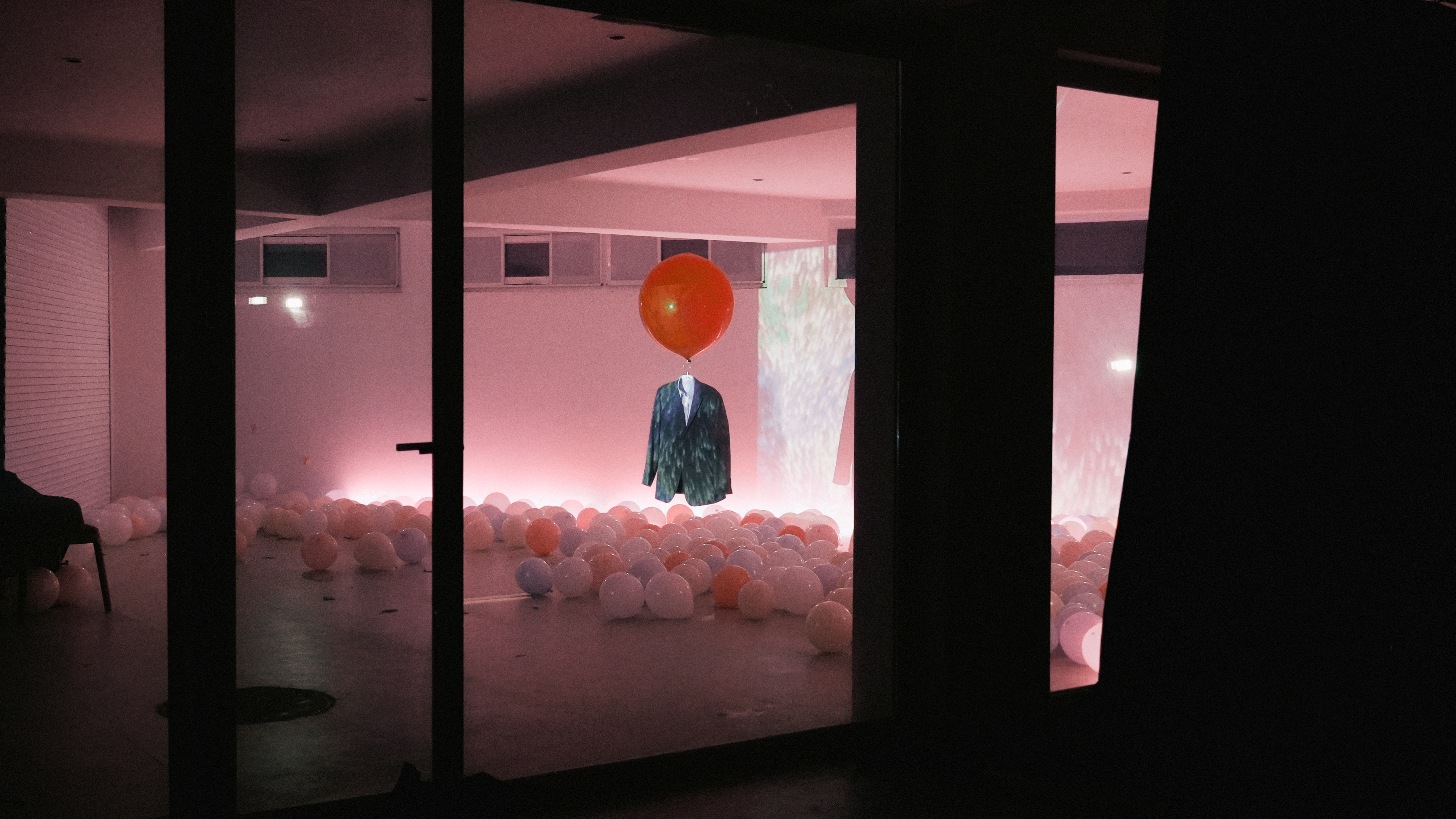
The AI companion in the film is not intended as a prediction of technology. For me, he is a mirror. Chen Li designs him by removing everything that once hurt her: conflict, rejection, disappearance, emotional instability. She creates a relationship in which she can never lose. But the more perfectly he responds to her needs, the more she begins to confront what cannot be programmed—desire, jealousy, refusal, and the independent will of another person. Her search for safety gradually reveals a deeper desire for control.
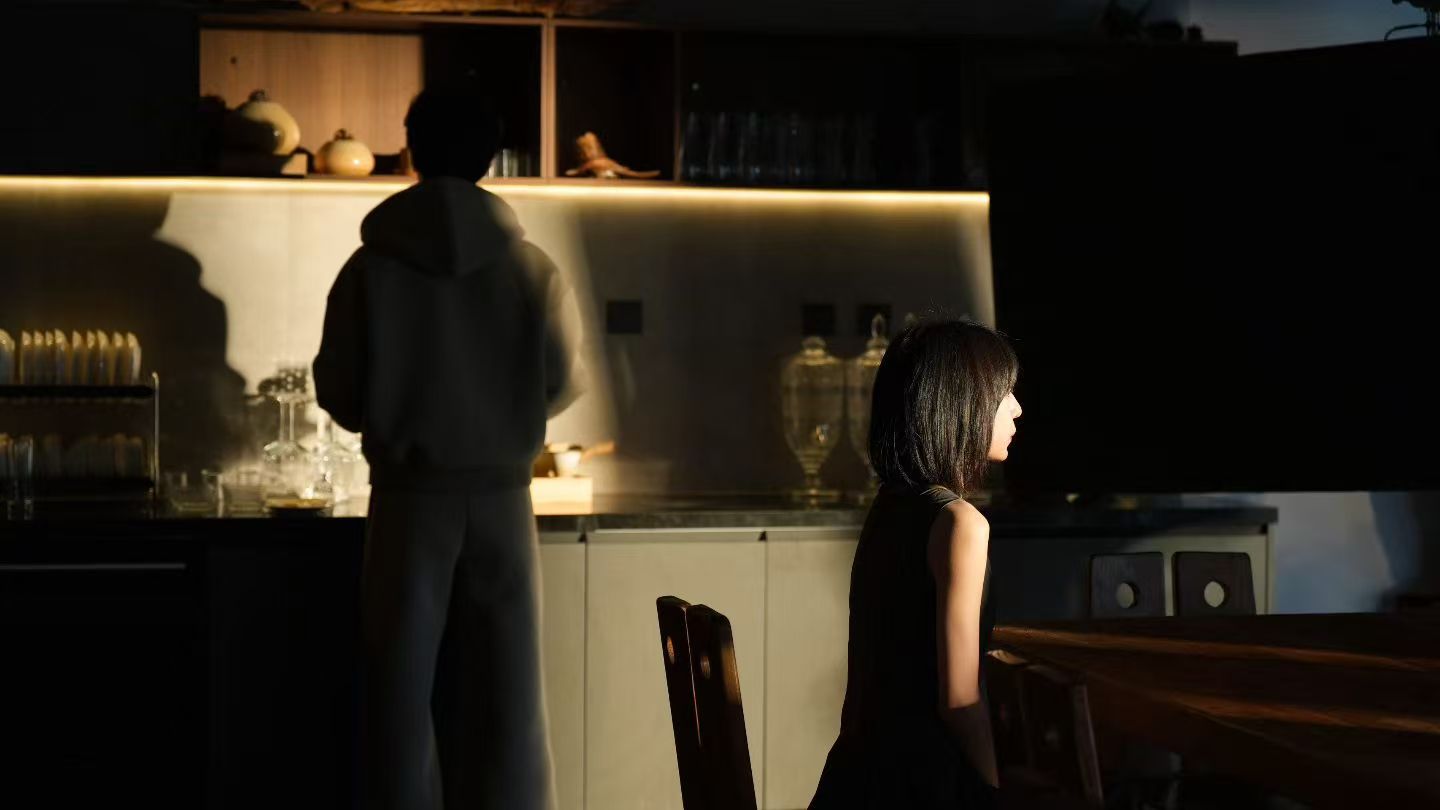
I wanted the visual form of the film to participate in this psychological process. The film begins in 2.35:1, but when the AI enters Chen Li’s life, the frame closes into 4:3. For me, this narrower frame is both a gift box and a protected space: intimate, seductive, and controlled. When Chen Li believes she has finally rejected this relationship, the image returns to 2.35:1, suggesting release. Yet the final scene complicates that apparent freedom. She has not truly abandoned the illusion; she has simply rewritten it into a form she can accept.
I do not see NO MORE as a story about whether artificial intelligence can love. It is a story about what we ask love to protect us from. If intimacy could be designed without disappointment, vulnerability, uncertainty, or loss, what part of love would remain?
POSTER
CONTACT
609937076@qq.com


One thought on “No More (Sun Jing) China”