Category Archives: Sin categoría

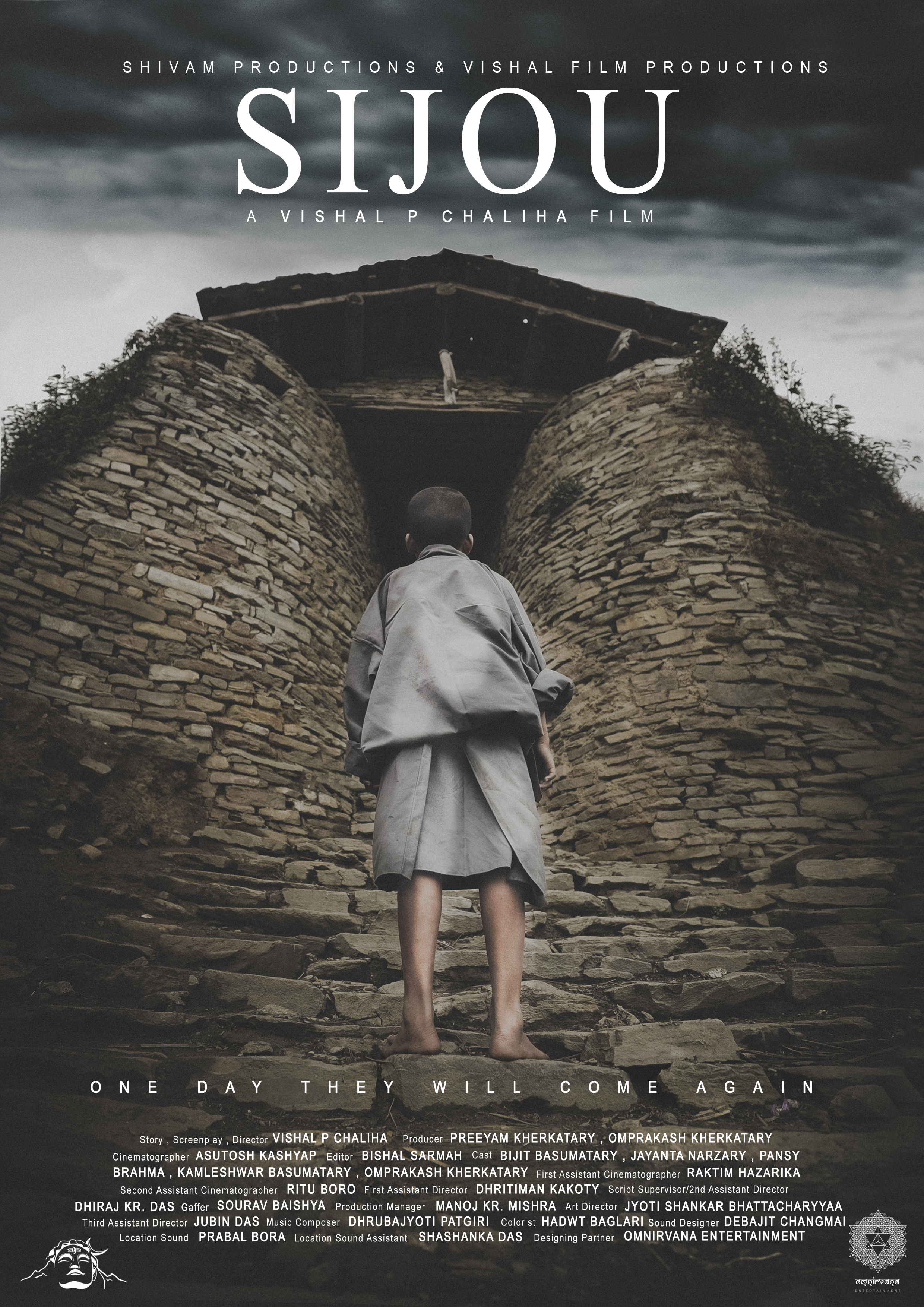
Sijou (Vishal P. Chaliha) India. Netpac Section

Sijou
Vishal P. Chaliha
India. 2021. 108 min

A boy named Sijou lives in a village named Saikhong Guri in Assam, India. A very jolly kid who loves playing with his friends but who knew that one day he will have to become a slave. His life takes a drastic shift when he becomes a victim of the Feudal Land Tenure System which was in practice in Bhutan till 1958. People living near the Indo Bhutan areas in Assam were also affected by this system until it was abolished.

Sijou lives with his father Niren. His mother died when he was an infant. Sijou is a very mischievous kid who annoys the people of his village alongwith his friends. The village where Sijou lives is Saikhong Guri which is very near to Indo Bhutan Border. The village is dominated by the Bhutanese people. The villagers have to pay tax for their land. The taxes are in kinds like rice, vegetables, usable items etc. Those who fail to pay the tax, has to live as a slave in Bhutan for the rest of his life.

One day Sijou’s father Niren fails to pay the tax because of which he is taken as a slave alongwith Sijou by the Bhutanese. Sijou leaves his village and goes to Bhutan. The Father and Son starts to serve the Bhutanese people. Sijou’s father suffers from a disease because of which he dies.
Karma,a Bhutanese man,is against this feudal land tenure system. But as he is a loyal nationalist, he is bound to obey it as a duty. Later,after seeing the atrocities, his conscience forces him to rescue Sijou and send him to a Monastery where Sijou stays for the rest of his life.
VISHAL P. CHALIHA
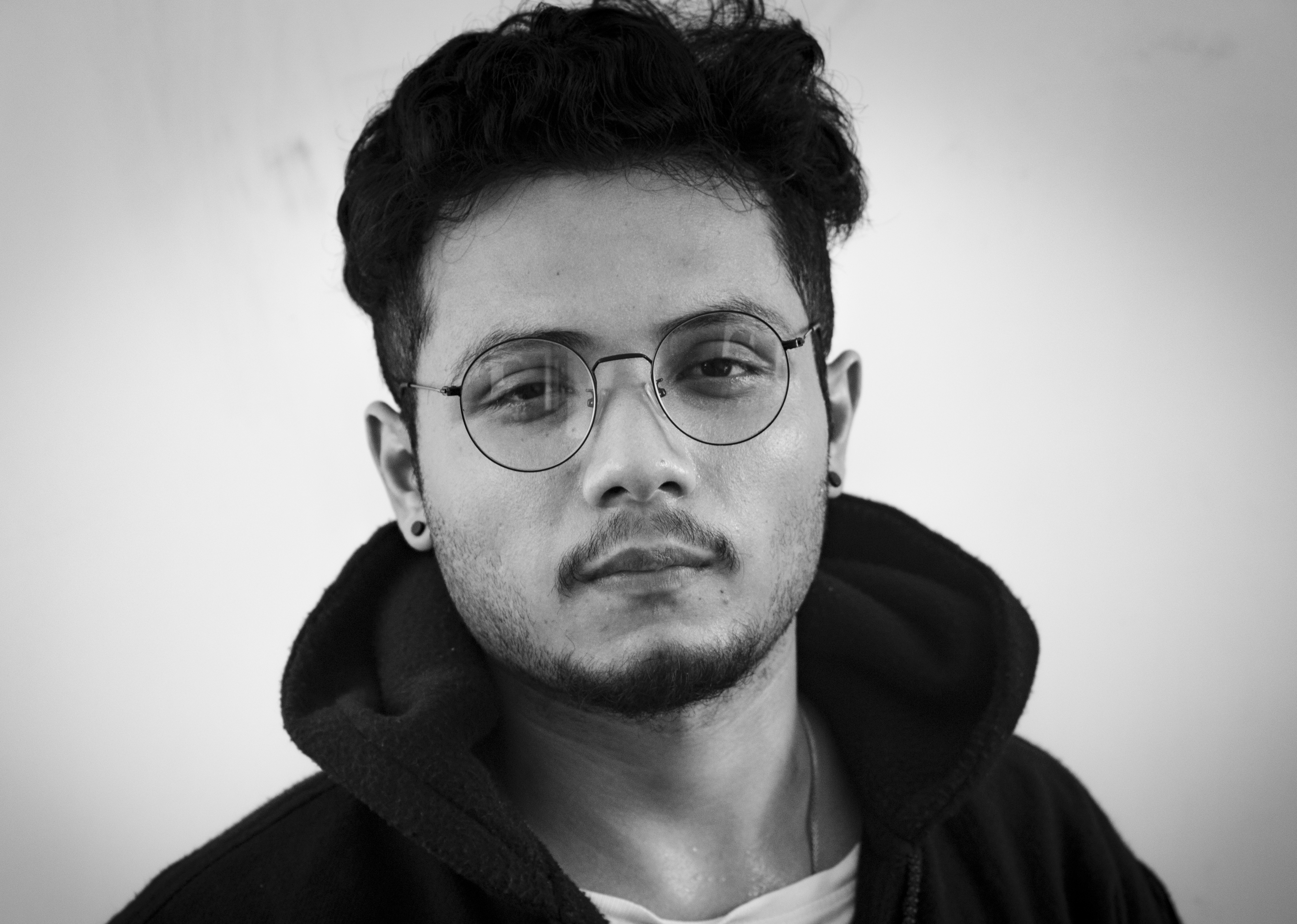
Vishal P. Chaliha is a director and writer from India. Sijou is his debut feature film as a writer and director. Before making Sijou, he made several short films and documentaries.

I live in Assam,India. Bhutan is very much near to my state. One day, one of the producer’s of the film Mr. Omprakash Kherkatary came to with the idea that he wanted to make a film on the feudal land tenure system which was in practice in Bhutan until 1958. So I asked him what it has to do with India or Indian people. He said that people living near the border areas of India and Bhutan, mostly people of Assam which is an Indian state, were victims of this system. Generally, whenever I hear the word slavery, the image of African slaves comes to my mind. I never knew that slavery was present near my state also.

POSTER
CONTACT

vishalchaliha.4@gmail.com

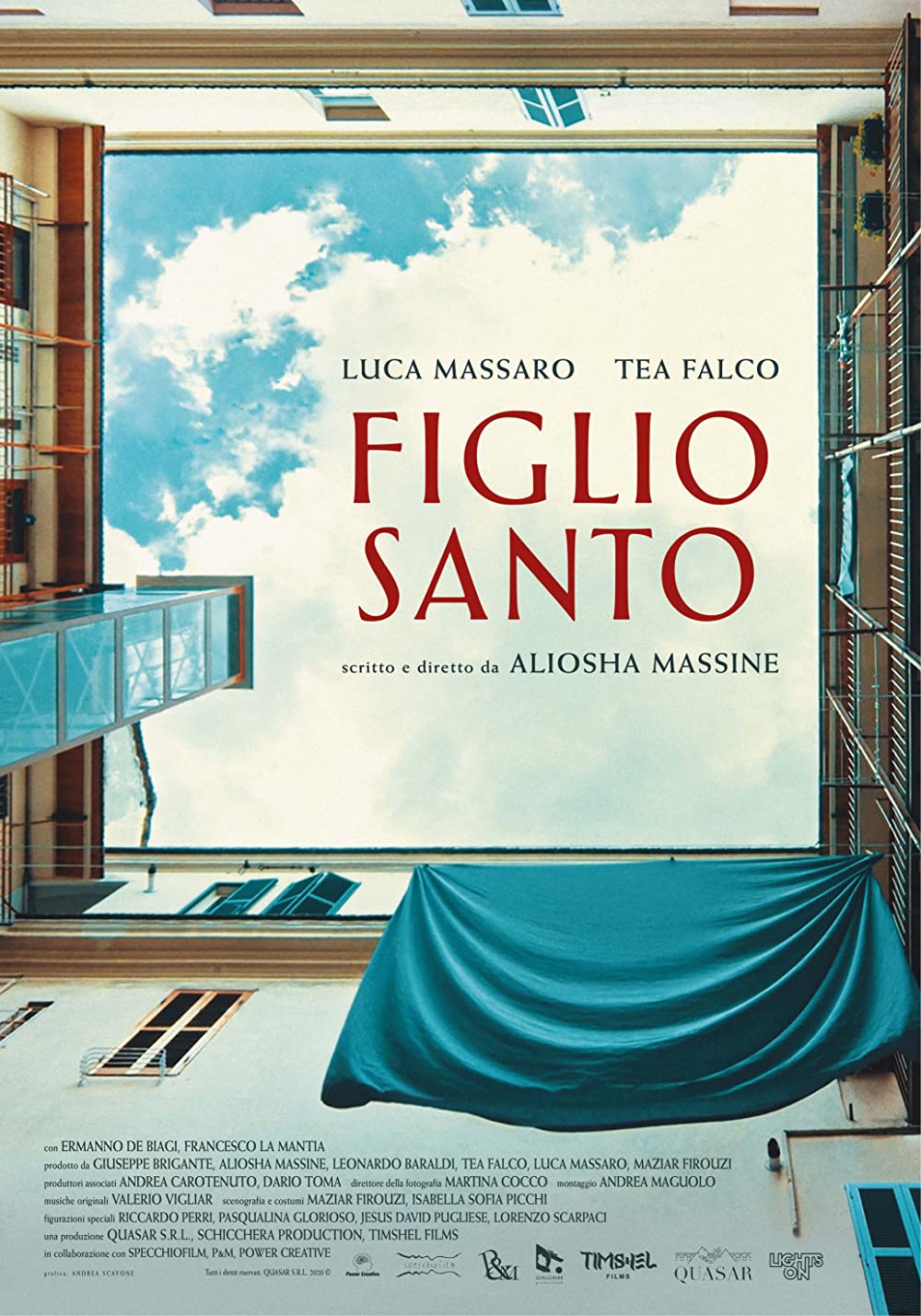
Holy Son (Aliosha Massine) Italy

Holy Son
Aliosha Massine
Italy. 2021. 20 min

In Aliosha Massine’s Holy Son, the daily routine of a young couple is disturbed by some shocking news. A strange dream appears to herald a terrible and, at the same time, wonderful truth. You have to choose between dream and reality. They are not the same.

ALIOSHA MASSINE

Aliosha Massine was born in Rome on 11 July 1991.
Coming from a family of choreographers and dancers, from the age of 5 to 12 he studied ballet at the school of the Teatro dell’Opera in Rome and debuted in 2000 as a dancer, at the age of 9, at the Teatro dell’Opera, with Vladimir Vassiliev in the ballet “Lungo viaggio nella notte di Natale”. Later, aged 14, having given up studying ballet, he devoted himself to acting.
At the age of 16 he made his debut as an actor alongside Sergio Fiorentini.
After school he started to study philosophy at the University of Roma Tre while continuing to act with the touring company formed by Fiorentini.
On 10 June 2011, together with 50 other actors, artists and technicians, he occupied the Teatro Valle in Rome. There he had the good fortune to meet and take acting and directing courses with Elio Germano, Giacomo Ciarrapico and Fausto Paravidino. He abandoned his studies in philosophy in 2012 to move to Turin to complete his training as an actor at the Teatro Stabile of Turin, where he studied with Valerio Binasco, Renato Carpentieri, Claudio Morganti, Thomas Richards, Antonio Latella, Michela Cescon and Davide Ferrario.

After completing his studies, in 2015, he moved to Modena, to the Ert (Emilia Romagna Teatro) to work as an actor in the “Santa Estasi” project directed by Antonio Latella.
Between December 2018 and January 2019, he directed “Il posto della felicità” (“The place of happiness”), a short film produced by Marcello Fonte and Quasar film srl, currently distributed by Premiere Film, which competed in important Italian and international festivals: Alice nella city, Cortinametraggio, Visioni Italiane where it won a special mention, the San Diego Italian Film Festival where it won the special jury prize, the Social World international Film Festival, Bordeaux Shorts International Film Festival du Cinemà Minute where it gained another special mention.
His second short, “Holy Son”, produced by Quasar films, Timshel Films, is distributed by Lights On.

POSTER

CONTACT

lightson@lightsonfilm.org

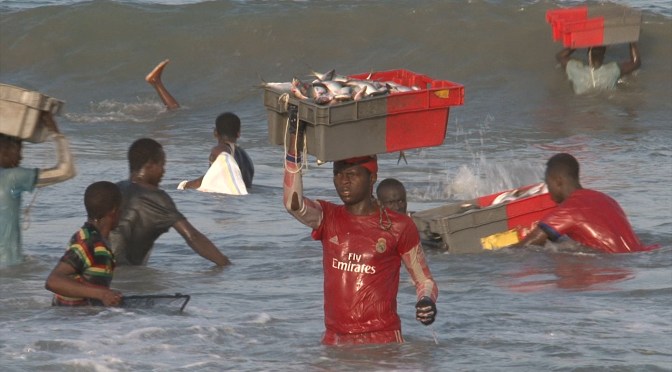
Golden Fish, African Fish (Moussa Diop, Thomas Grand) Senegal

Golden Fish, African Fish
Moussa Diop, Thomas Grand
Senegal. 2018. 60 min

The Casamance region in the South of Senegal is one of the last areas of traditional fishing in West Africa, and crucial to the food safety of many African countries. But the challenges of industrial fishing companies and harsh working conditions are putting the region in danger of collapse. Issues like affordable living, healthcare, gender equality, deforestation, and human-value versus commodity-value are explored through the fascinating life stories of the people who live there.

Continue reading Golden Fish, African Fish (Moussa Diop, Thomas Grand) Senegal

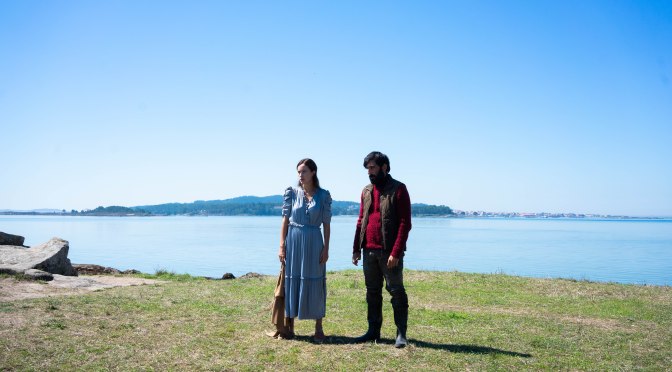
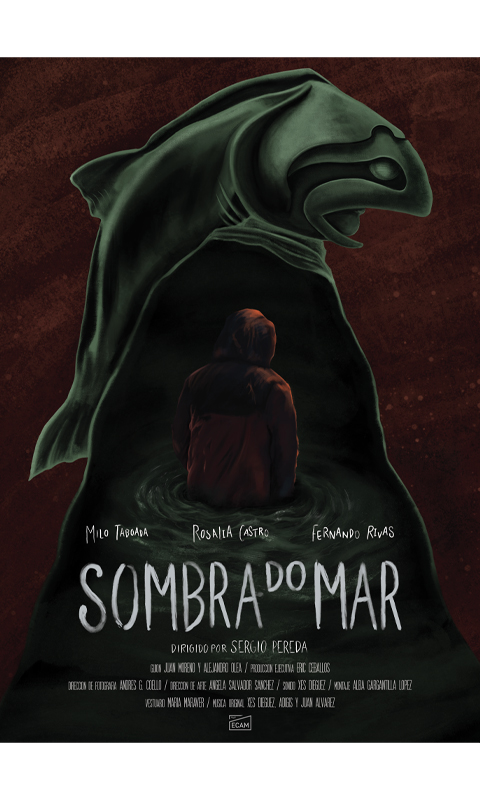
Sombra Do Mar (Sergio Pereda) Spain

Sombra Do Mar
Sergio Pereda
Spain. 2021. 15 min

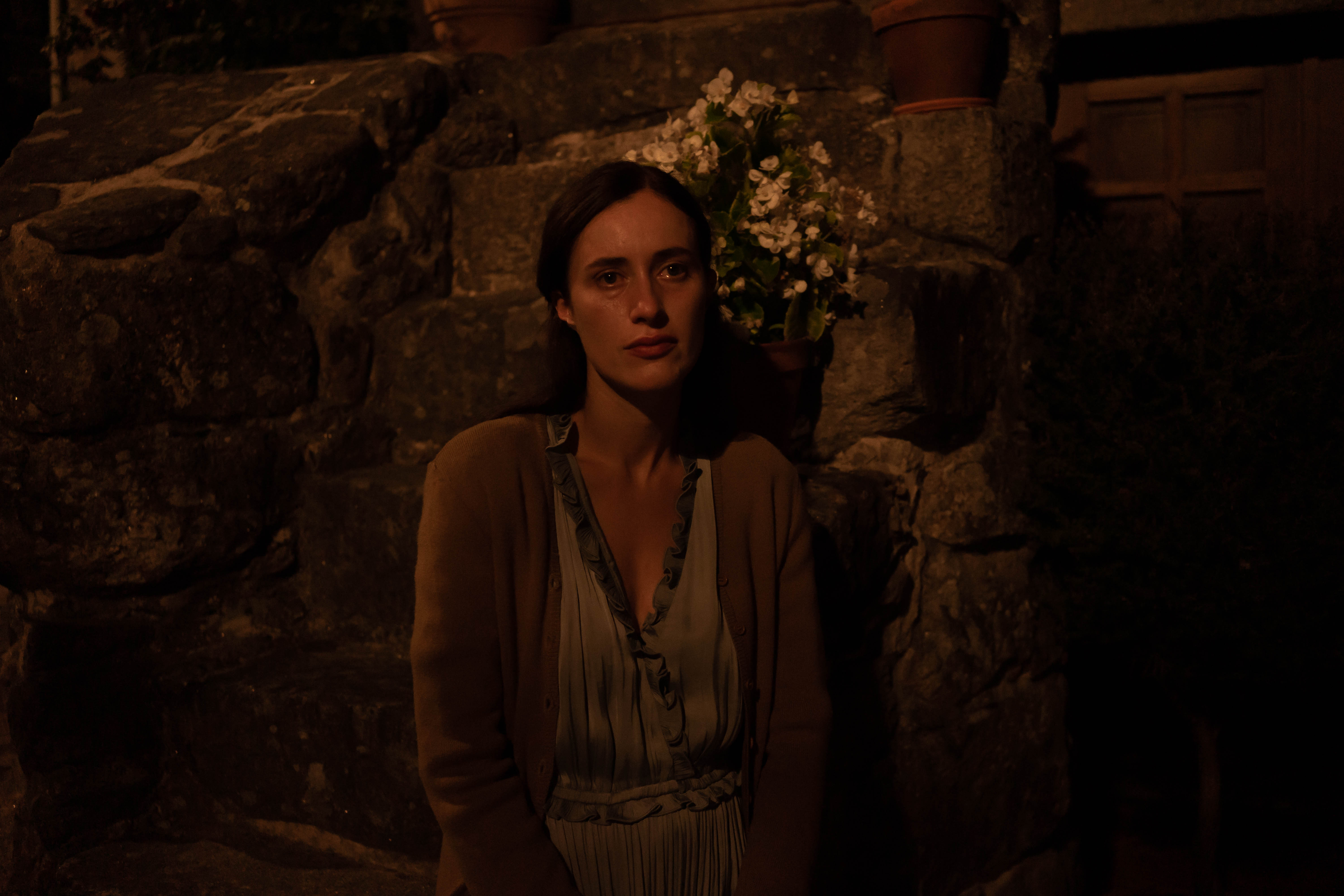
Ismael returns home after spending a long time unsuccessfully fishing in the open sea. The small Galician town he arrives to is a desolate and poverty stricken place surrounded by a dead sea. His wife no longer looks the same, his son has disappeared. The legends say that it had happened before… Ismael has no choice but to live in a land that is not his.

SERGIO PEREDA

POSTER

CONTACT

distribucion@ecam.es

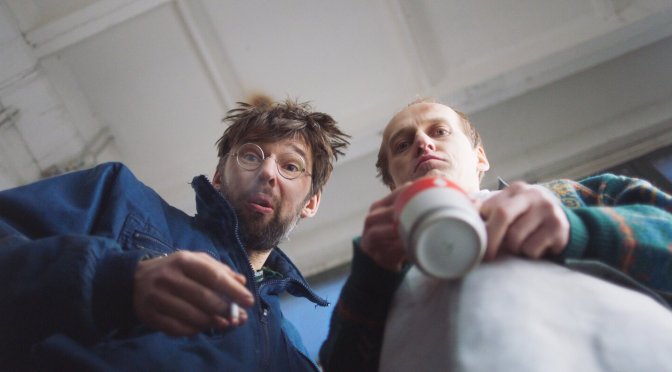
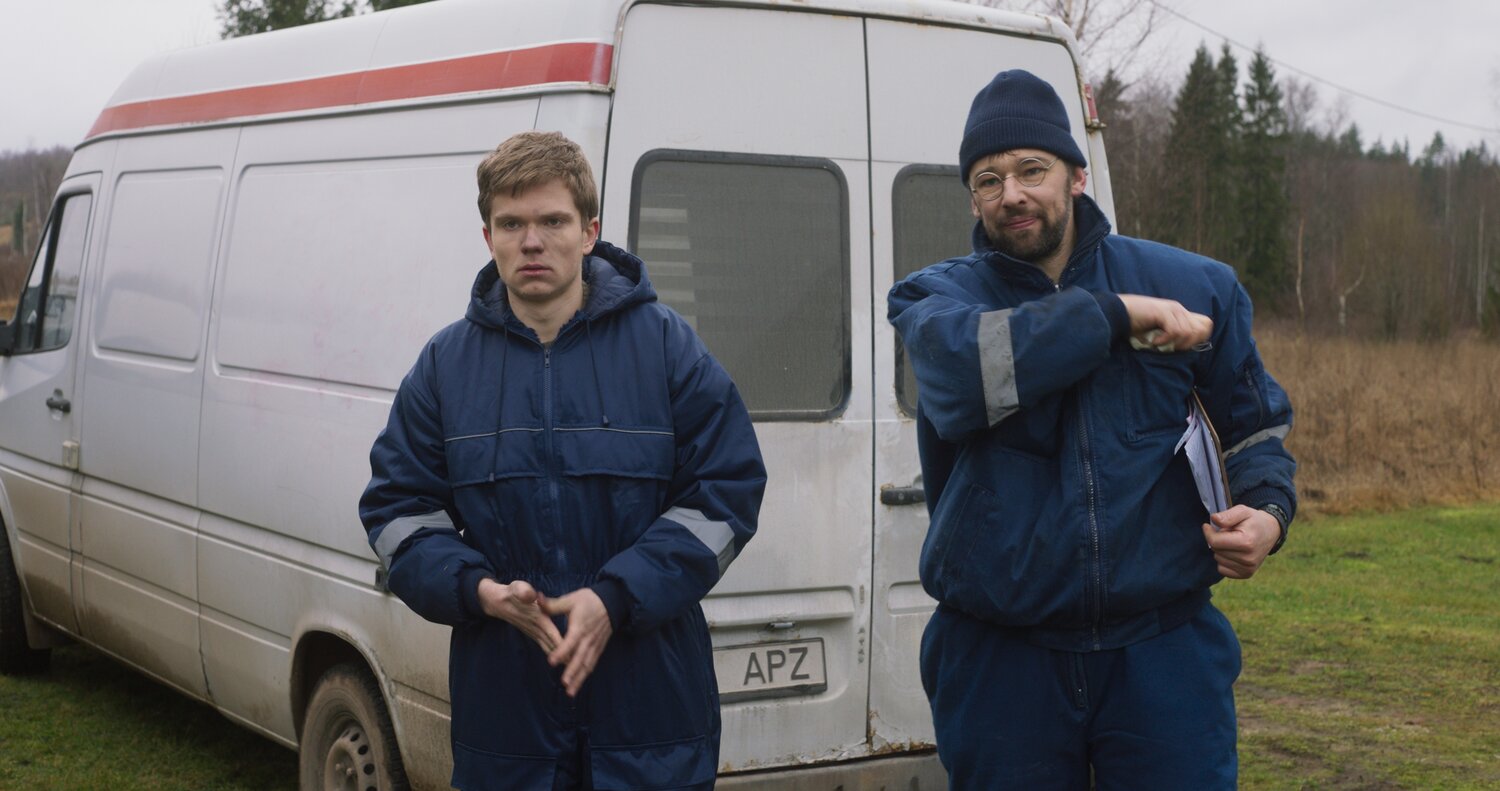
My Dear Corpses (German Golub) Estonia

My Dear Corpses
German Golub
Estonia. 2021. 34 min

Unexpectedly evicted from his house, Erki faces a rather difficult task to take care of his lonely mother. He’s forced to agree to become a corpse carrier. But the situation is about to get a whole lot worse, when Erki meets his new colleague for whom it’s just another day in the field.

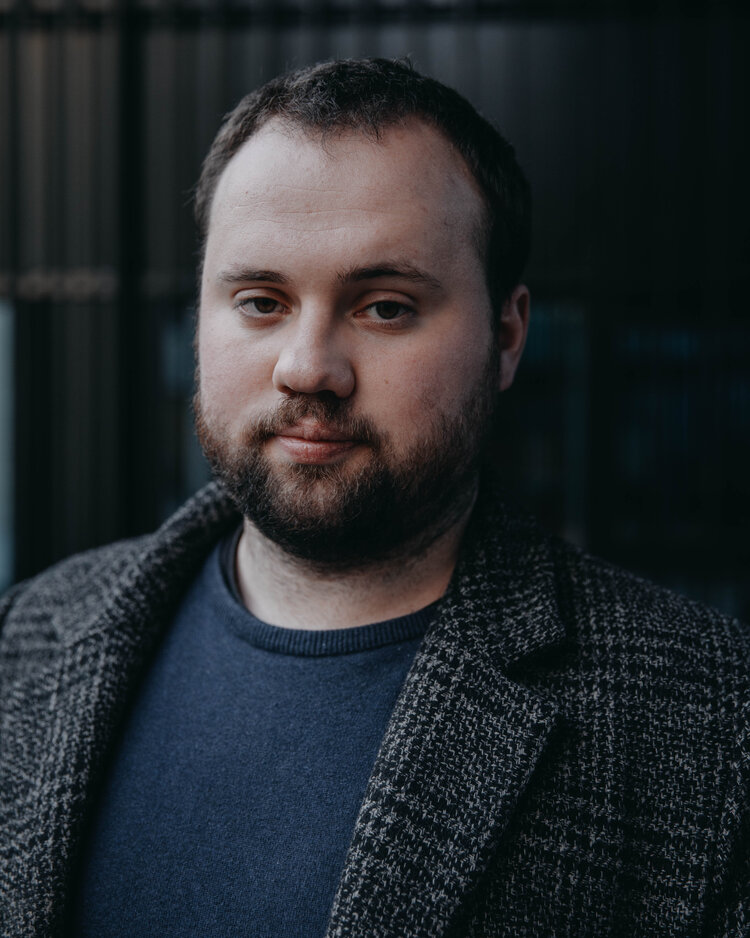
GERMAN GOLUB

Director and writer German Golub was born in Estonian – Russian family 3 February 1993 in Pärnu, South of Estonia. Film director studied in Baltic Film and Media School, Directing feature BA Film Arts. Throughout a short career, he directed multiple short feature films and short documental films, one of them in China. Identifying himself as Estonian and European, but having direct access to West and East cultures. Both sided investigation of the cultural treasures strongly influenced and dualized his perception, understanding, and perspective of view on the world around him.

DIRECTOR,S NOTE

“My dear corpses” is a short movie that mainly focuses on death, but this film is about those who are still living. It investigates what’s mostly hidden from our sight in tragicomic form, which allows the viewer to think, even just for a second, if there is a possibility to live a full life without knowing what death really is.

POSTER

CONTACT

slebreht@gmail.com

Stateless (Mustafa Aydin) Turkey

Stateless
Mustafa Aydin
Turkey. 2021. 13 min

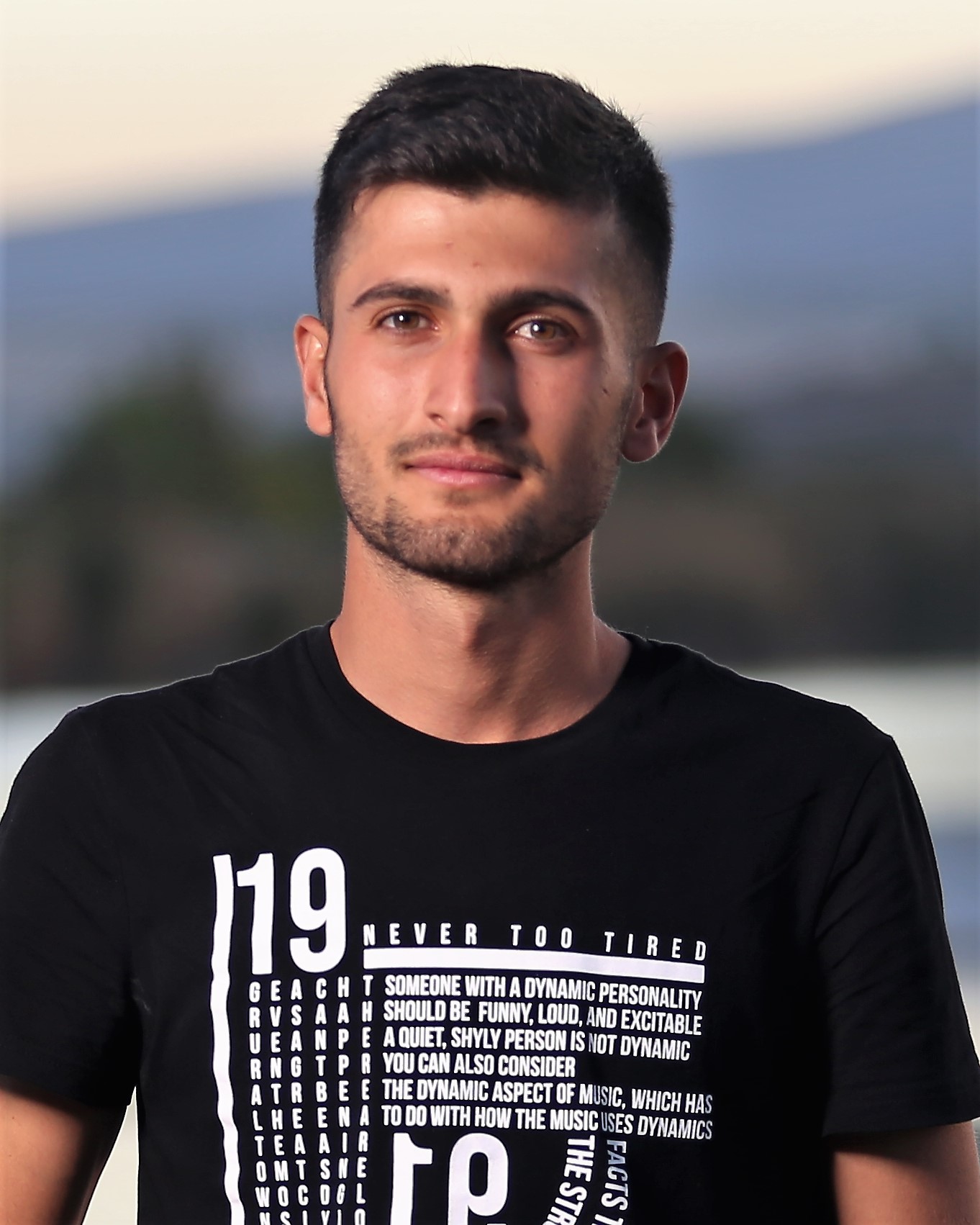
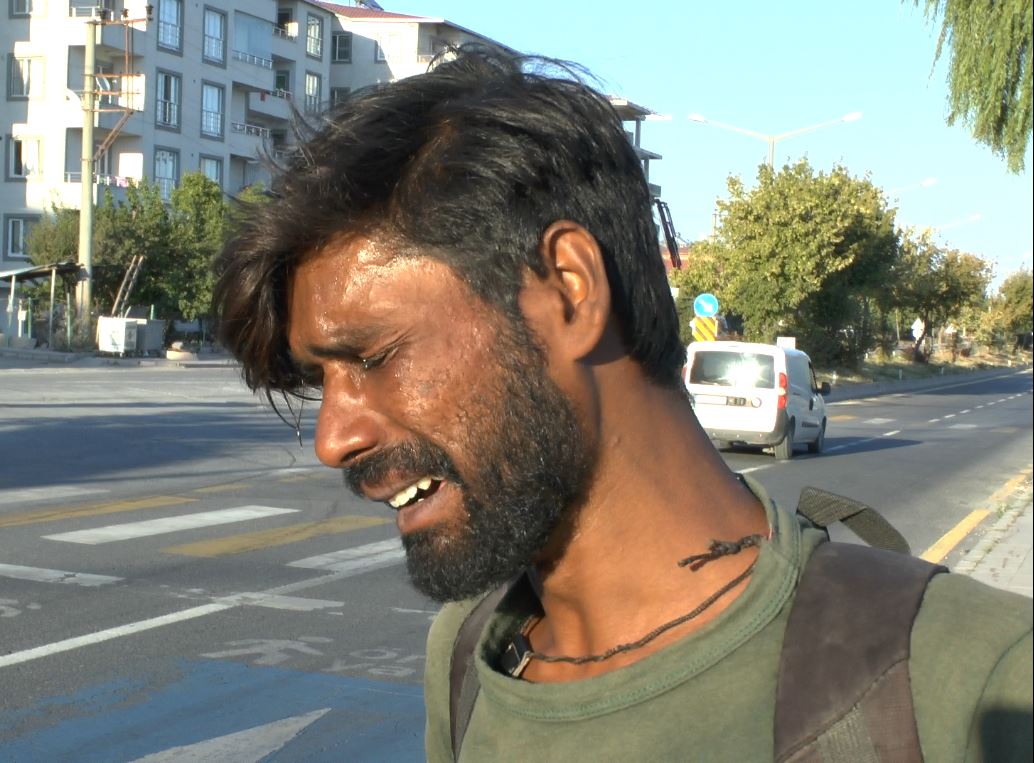
He is foreign to his own language and identity, he is a migrant traveler. They do not belong to where they came from, nor to this land. They are stateless, homeless, landless people. We are witnessing the tragic journey of hope travelers who walked for days without food or water to come to Turkey from Afghanistan.

MUSTAFA AYDIN

Mustafa Aydın was born in 1998 in a remote village in eastern Turkey. After completing his primary school in the village, he moved to boarding for his secondary and high school education. After making his first short film in high school, he became interested in cinema and completed his university education in the faculty of Communication, Radio, Television and Cinema Department, in Selcuk University Konya. He produced and directed his first short film called “Mesai”, of documentary genre. While continuing his university education in Konya; He has undertaken duties such as acting, camera assistant, reporter and editing in television channels as well in national and international film productions. The radio programs, television news and short films he produced has received awards in various competitions.

POSTER

CONTACT

aydinmustafa0304@gmail.com
The Sea Calls for Me (Tumpal Tampubolon) Indonesia

The Sea Calls For Me
Tumpal Tampubolon
Indonesia. 2021. 17 min

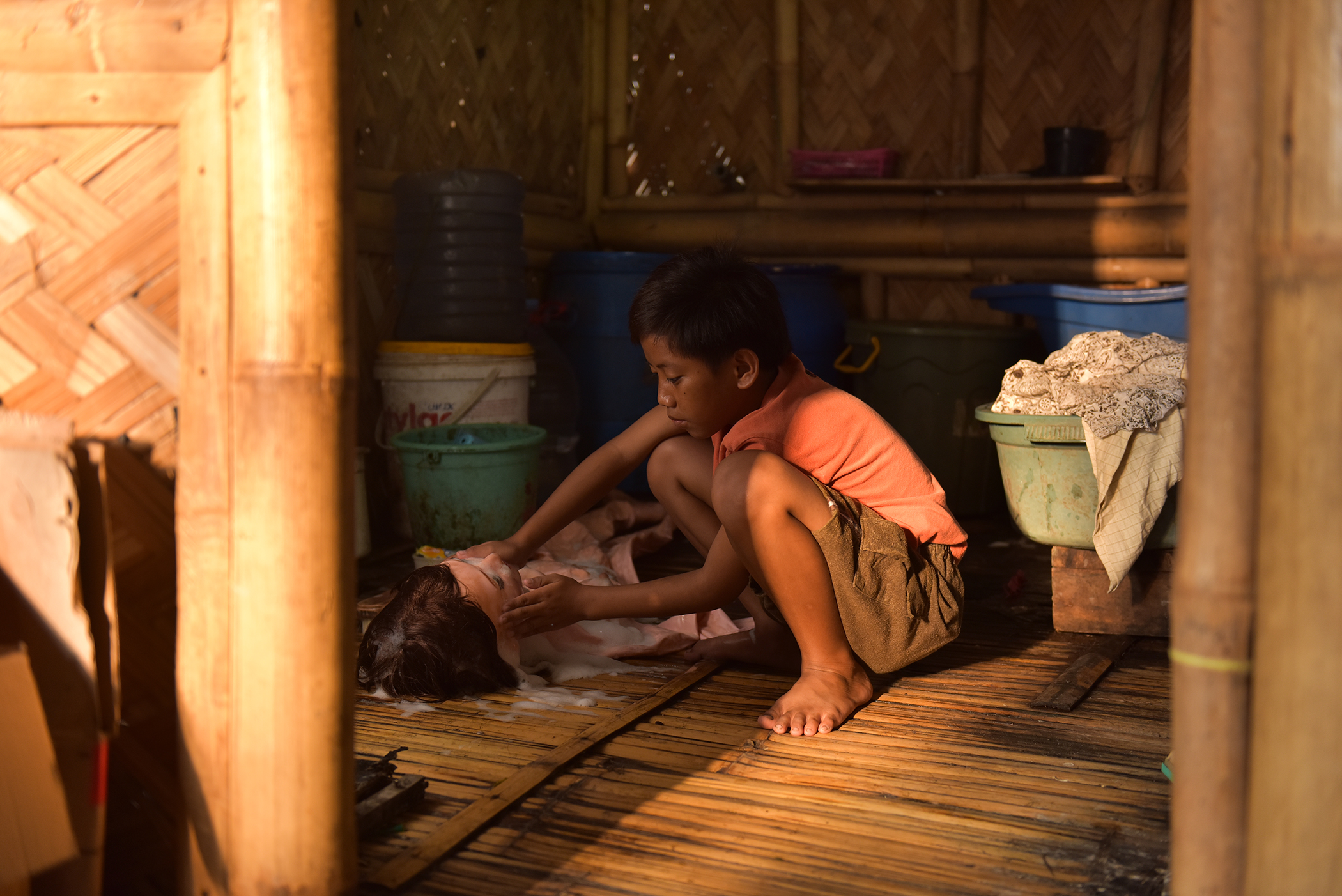
Sura lives alone in the fishing village, waiting for his father to return home. One day he finds a broken sex doll, and he asks Argo to help him fix the doll. He finds a companion and a surrogate parent in the doll. But this companionship is threatened by Argo, who wants to take it away from Sura. When Argo manages to take the doll from Sura by force, Sura is forced to do the unthinkable.

TUMPAL TAMPUBOLON

Tumpal Tampubolon is a cinephile-turned-filmmaker, based in Jakarta, Indonesia. He graduated from Bandung Institute of Technology with a bachelor’s degree in Math. In 2005, his first screenplay, The Last Believer, won the Jakarta International Film Festival (JiFFest) Script Development Competition for Best Short Fiction category. It was a chance for him to have first-hand filmmaking experience. Since then, he has written and directed several short films, which were screened in various domestic and international film festival.

Tumpal has also been selected to attend the Asian Young Filmmakers Forum, a filmmaker-in-residence program in Jeonju, South Korea, Berlinale Talent Campus, and Asian Film Academy in Busan.

He is one of the nine directors that participated in Belkibolang omnibus film; a feature length film consists of nine short films that showcases the new and promising talents in Indonesian cinema. Belkibolang was screened at Rotterdam International Film Festival, Hong Kong International Film Festival, Jeonju International Film Festival, and Udine Far East Film Festival.

In 2014, he won the Citra Award, Indonesia’s most prestigious film awards, for Best Original Screenplay, for Tabula Rasa.

FILMOGRAPHY

2017 Wiro Sableng: Pendekar 212 (feature film, co-writer)
2014 Tabula Rasa (feature film, scripwriter, Best Original Script Piala Citra)
2011 Soleram (short film, director and scriptwriter)
2010 Mamalia (short film, part of BELKIBOLANG omnibus, IFFR, HKIFF, Jeonju International Film Festival, Udine Far East)
2008 Drum Lesson (short film, director and scriptwriter)
2006 The Last Believer (short film, director and scriptwriter, Best Short Film JiFFEST)

POSTER

CONTACT

mm@tanakhirfilms.com

Salvador Dali (Eldiar Madakim) Kyrgystan

Salvador Dali
Eldiar Madakim
Kyrgystan. 2021. 19 min

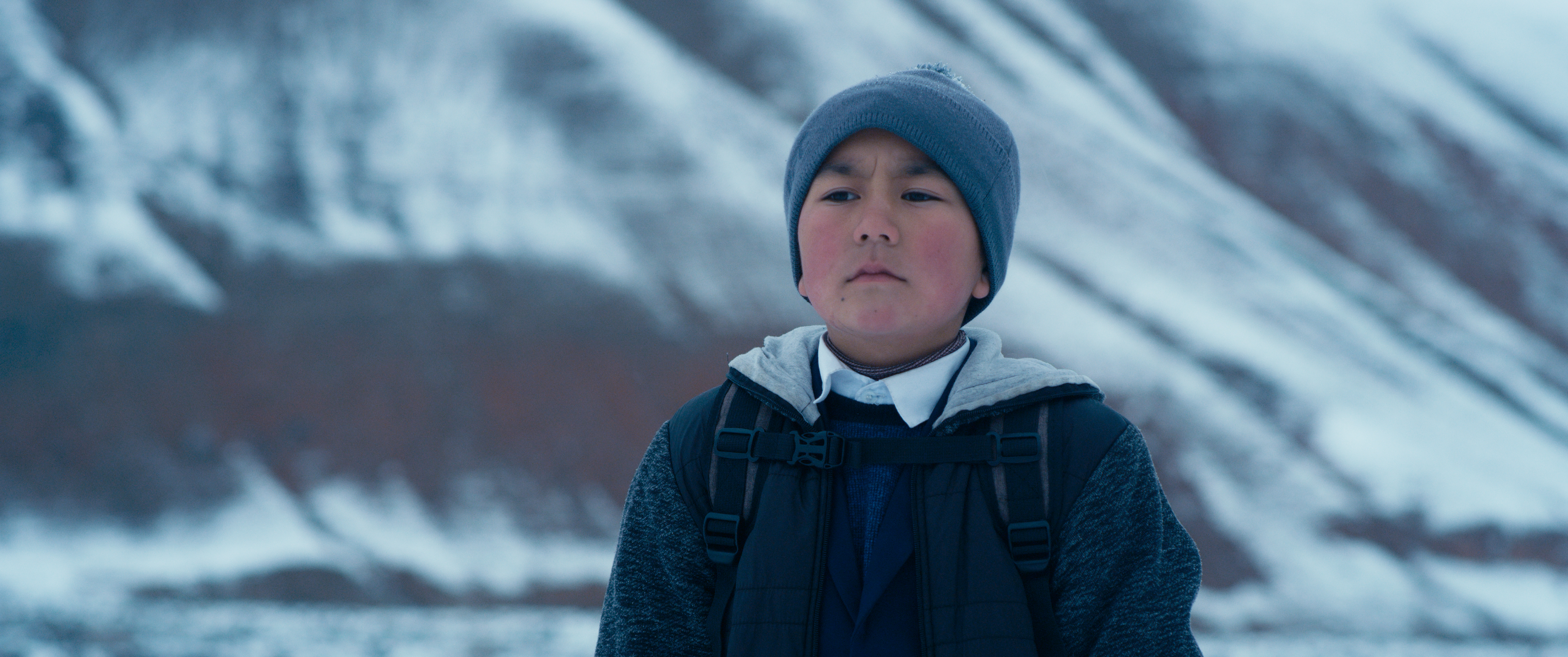
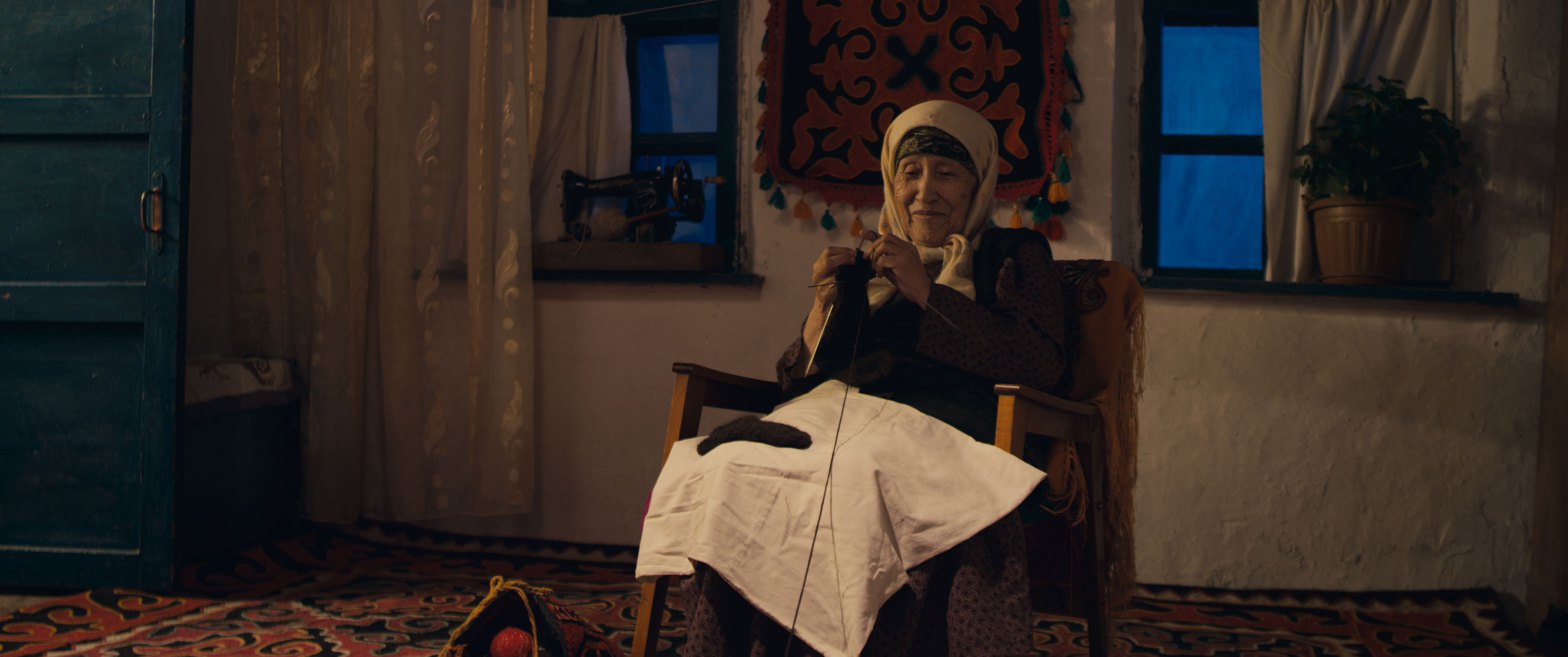
Orozbek, a joyful boy who loves to draw, lives with his grandmother in a remote village deep in the snowy mountains. He has to walk a long distance to school, and one day the stream washes over its banks, blocking his way.

ELDIAR MADAKIM

Director, writer, editor and producer Eldiar Madakim, born Osh, Kyrgyzstan March 27 1988, began his career in film industry as a production designer. He graduated from the Academy of Art named after Turgunbai Sydykov, in which he holds a degree in Ceramic Artist. Since 2003, he has worked in film studios Oimo, Toguz – Ak, Ernest Adzhyparov’s Studio and Kyrgyzfilm. In 2012, he graduated from the Kyrgyz State University of Construction and Architecture with a degree in Digital Designer.
He is an editor and color-grading specialist for more than 500 films and video productions of Kyrgyzstan, Kazakhstan, Russia, and Armenia etc. Most of these films have been awarded in international festivals and distributed world-wide. Multiple winner of International film festivals and Ak Ilbirs National Film Award for “Best Editing” and “Best Production Designer”.
He is currently the director of the Aitysh Film Studio. Film “Salvador Dali” is his debut as a director. He is also the scriptwriter, editor and producer of this film.

FILMOGRAPHY (SELECTED)

FEATURE FILMS

“Shambala”, Director Artykpay Suyundukov – Producer, Film editor, VFX, colorist 2021
“Ak Salkyn” Director Ernest Abdyzhaparov – Colorist 2021
“Test Drive” – Director Askar Shafi – Film editor, VFX, colorist 2020 (Kazakhstan)
“Offline holiday 2” – Director Ruslan Akun – Film editor, colorist 2019 (Kazakhstan)
“Light drops” Director Arman Chilingaryan – Colorist 2019 (Armenia)
“Kok Boru” Director Ruslan Akun – Film editor, colorist 2018
“Song of the Tree” Director Aibek Daiyrbekov – Film editor, VFX, colorist 2018
“Finding mother” Director Ruslan Akun – Film editor, colorist 2017
“Night accident” Director Temir Birnazarov – Colorist 2016
“Sayakbay” Director Ernest Abdyzhaparov – Colorist 2016
“A father’s will” Director Bakyt Mukul, Dastan Zhapar – Colorist 2016
“Munabia” Director Taalaibek Kulmendeev – Film editor, colorist 2016
“Kyrgyz-Kazakh are brothers” Director Nurlan Abdykadyrov – Film editor, colorist, 2016
“Heavenly Nomadic” Director Mirlan Abdykalykov – Film editor, colorist 2015
“Once at the orphanage” – Directors Serik Abishev, Ruslan Magamedov

SHORT FILMS

«Salvador Dali» – Producer, director, film editor, colorist 2021
“Selkinchek” Director Samara Sagynbaeva – Colorist 2019
“Taxi driver” Director Kymbat Adylbekova – Film editor, colorist 2015
“Herding” Director Ruslan Akun – Film editor,colorist 2013
“Oguz ayal” – Director Nurzhamal Damir – Film editor,colorist 2012
“Three under the rain” – Director Aibek Daiyrbekov – Film editor, colorist, 2011
“Trolleybus” Director Ernest Abdyzhaparov – Film editor, colorist 2010

PRESS KIT

POSTER

CONTACT

eldiar.madakim@gmail.com

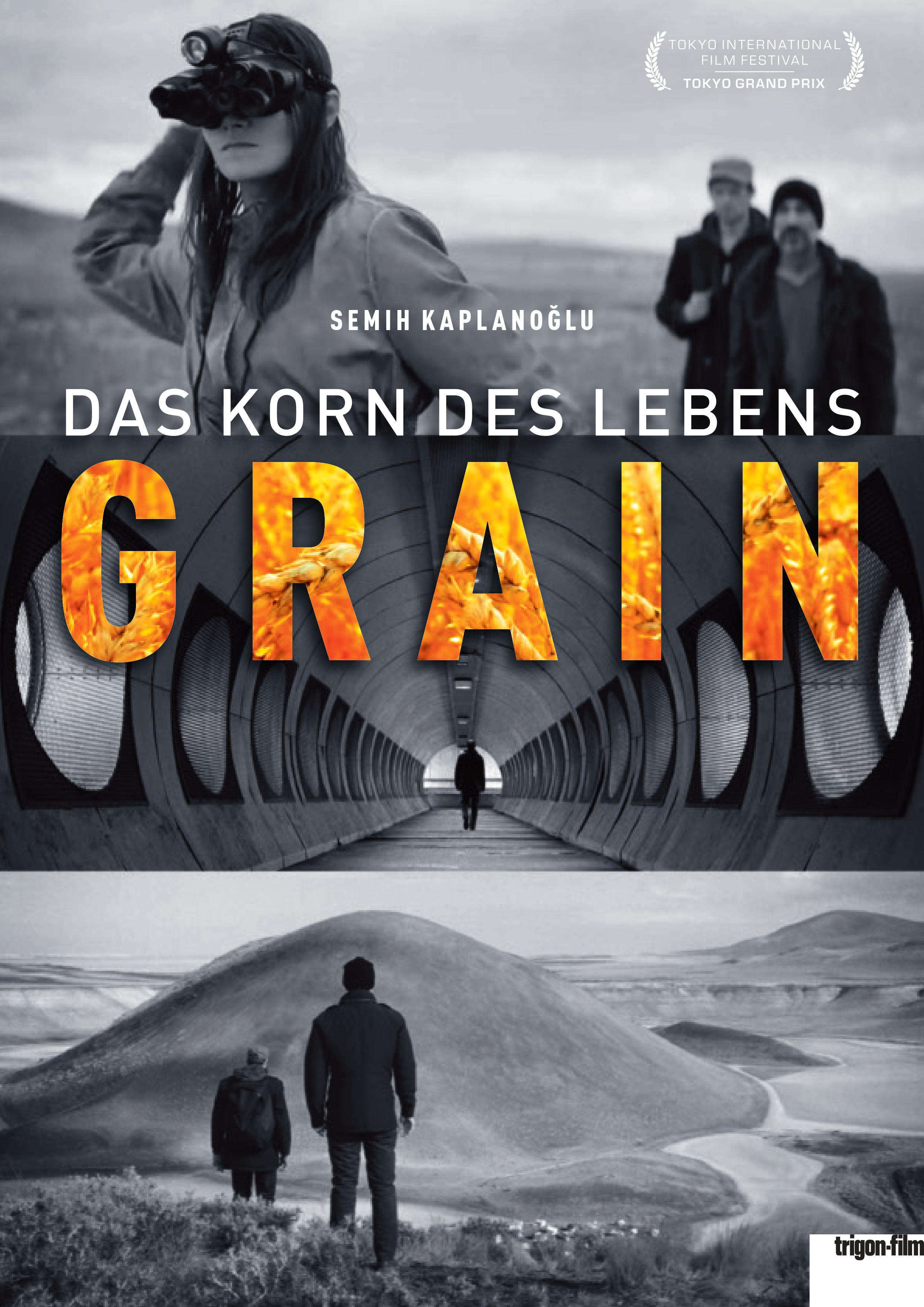
Grain (Semih Kaplanoglu) Turkey

Grain
Semih Kaplanoglu
Turkey. 2017. 128 min

What is it that the two men are after in Dead Lands in an indefinite near future?

The global corporations have established cities and agricultural zones in areas where the climate is relatively good. These cities are populated by the elites, corporation’s executives, scientists, and those multi-ethnic immigrants who have been admitted after passing genetic compatibility tests.

The immigrant masses struggle with hunger and epidemics. Professor Erol Erin (55), a seed genetics specialist, lives in a city protected from them by sophisticated armed forces and magnetic walls. For unknown reasons, the city’s agricultural plantations have been hit by a genetic crisis – and, as a result, by massive crop failure.

In a meeting at the headquarters of the corporation which employs him, Erol learns of Cemil Akman (40), a fellow scientist. Apparently, Cemil wrote a thesis about the recurrent crisis affecting genetically modified seeds – but the work was banned by the corporation. Erol sets out to find Cemil and learn more about the thesis. He discovers that, after losing his wife and all of his scientific research in a suspicious fire, Cemil left the city and moved to Dead Lands, an almost uninhabitable place poisoned by chemical waste. Together with his assistant Andrei (30), Erol illegally crosses the magnetic walls in search of Cemil.

Erol finds Cemil, who is searching for the remains of “life” in Dead Lands. But Cemil believes Erol will not survive the journey, nor be able to handle the truth he will find.

SEMIH KAPLANOGLU

Semih Kaplanoğlu was born in 1963 in Turkey. He is one of the most acclaimed writer-director-producers of contemporary cinema in Turkey. His first films Away From Home (2001) and Angel’s Fall (2005) were screened in international festivals worldwide, but with his third feature Egg (2007) Kaplanoğlu achieved international recognition as the film was premiered in Quinzaine des Realisateurs. In 2008 Milk premiered at the Venice Film Festival, giving him international awards, such as FIPRESCI prize at the Istanbul. Honey (2013), the third part of the Yusuf Trilogy, won the Golden Bear at Berlinale that year. As a producer, he recently contributed with his fellow director Aida Begic in Children of Sarajevo which earned a special mention in Cannes Certain Regard (2012). Grain is his sixth feature.

FILMOGRAPHY
2017 Grain (Buğday)
2010 Honey (Bal)
2008 Milk (Süt)
2007 Egg (Yumurta)
2004 Angel’s Fall (Meleğin Düşüşü)
2000 Away From Home (Herkes Kendi Evinde)

POSTER

Here is Afghanistan (Khadim Hussain) Afghanistan

Here is Afghanistan
Khadim Hussain Byhnam
Afghanistan. 2020. 3 min

Children honestly work together with their teammates as a family under one roof to play their children’s games. It does not take a moment for a terrorist to come into the room and destroy all their ideas and aspirations, and by doing so, the minds of each of them are affected and leave a negative impression. In short; terrorists in Afghanistan take the children’s smiles hostage and instead record images of war and bloodshed on the minds of each of them in order to spread their savagery.

KHADIM HUSSAIN BYHNAM

Khadim Hussain Byhname studied cinema in Kabul university. Till now he has been making short films on children, andwon many national and international awards and letters of appreciation from major international festivals such as Algeria Digital Gate, Indian KIIFFA, Turkish Brotherhood, Nominated German films, London Amo Media, Didor Thajikistan, Australian Gone, BBC Aparat, California Women and awards at major national festivals such as Herat Women, Human Rights, Mehregan, New Look and Afghan Animation. He is the author or co-writer of the screenplay of all the films he has directed, most of his works are a combination of bitter comedy with child and women themes.

DIRECTOR,S NOTE

Since you all know about the situation of Afghanistan, that how the situation of war is going on, and also how is the political atmosphere, also some other issues really caused the economic of my country. In addition to that, in a situation like right now, people are only thinking how to survive, because there is no security and safety, plus there is not stable economic. But me and my teammates followed our dream and goals, while the situation of art and artistic activities are very difficult in this situation. It’s because there is no safety to travel and also there is not enough money to spend for our works. However, we always had and also will continue toward the target, and we are struggling for bringing changes, even though the field of production is blocked for us (Afghans). But we keep struggling and standing in the route of art by tolerancy of hardships and challenges. By having all this difficulties and shortcomings we are still working hard to introduce the Cinema for the people around the world. Me and my collogues/ teammates are trying to express our people’s pains and their hardships by our Films for the world. Specially the pains that my people were suffering in the past times and these matters have been continued for so many years and still going on.
Dear audience and friends, for us actors and actresses here in Afghanistan, we don’t have issues on our plans, and production, but we do have equipment shortcomings. When we are making a film even, we don’t have a basic camera and other related accessories to use them for producing film. Sometimes we are borrowing a camera from friends or renting for few days. It’s because the equipment’s are very limited for us here in Afghanistan. It is good to mention, most of the time we don’t have electricity to charge our camera and computer. Specially the place that I am living now it is a village that lacking electricity and internet. Overall, all our stories are very sad stories, all we have here is wars, poverty and sadness. In this dark moment your encouragements are such a hope, happiness for us that really impact us and changes our life to work harder and harder. I am so happy that I am here now, and it is very honor that I am seeing myself here among all of you from a long-distance way Afghanistan.

POSTER

CONTACT

info@iranianindependents.com