Seabreaker Eloy Domínguez Serén Spain. 2022. 26 min
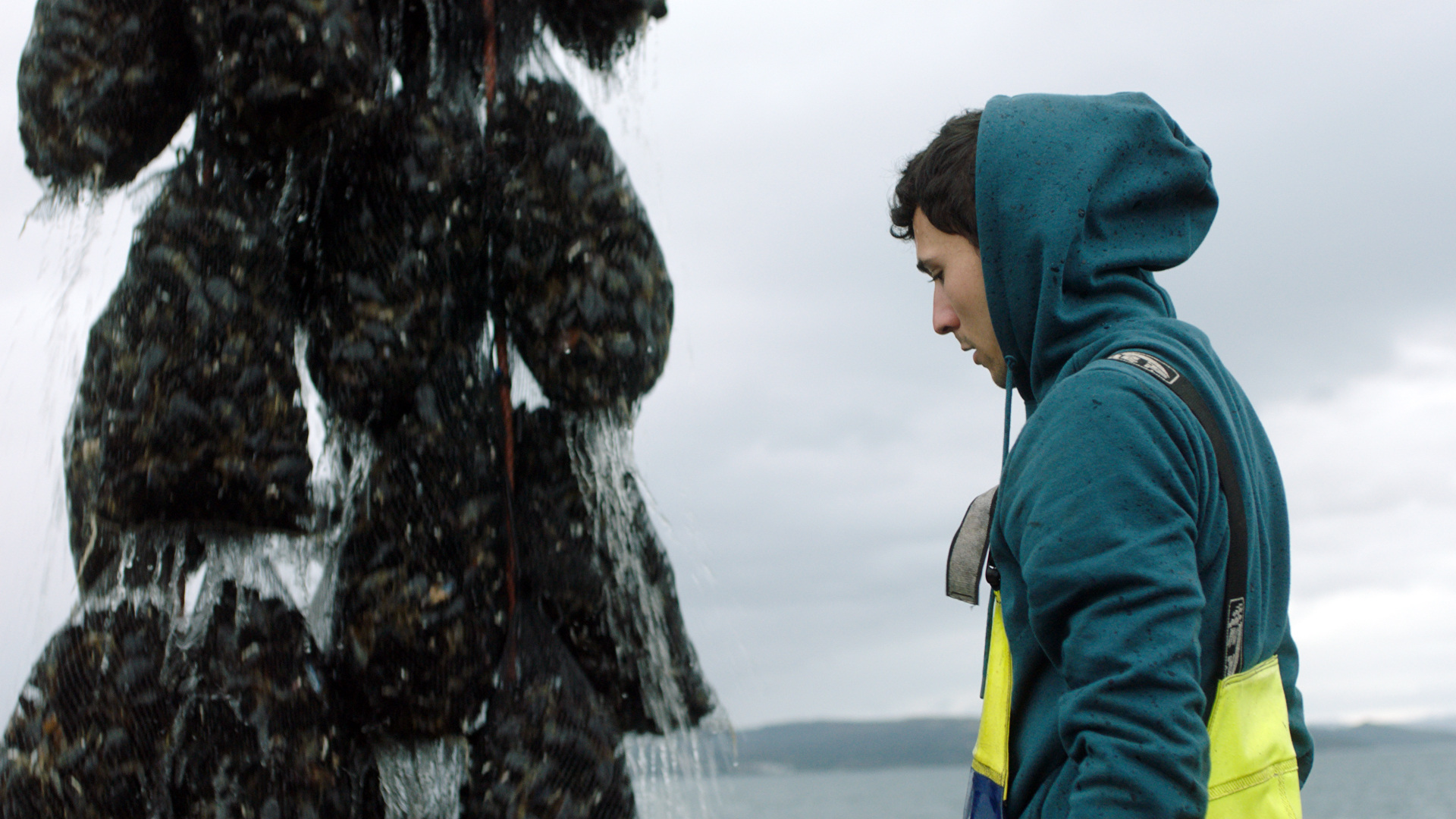
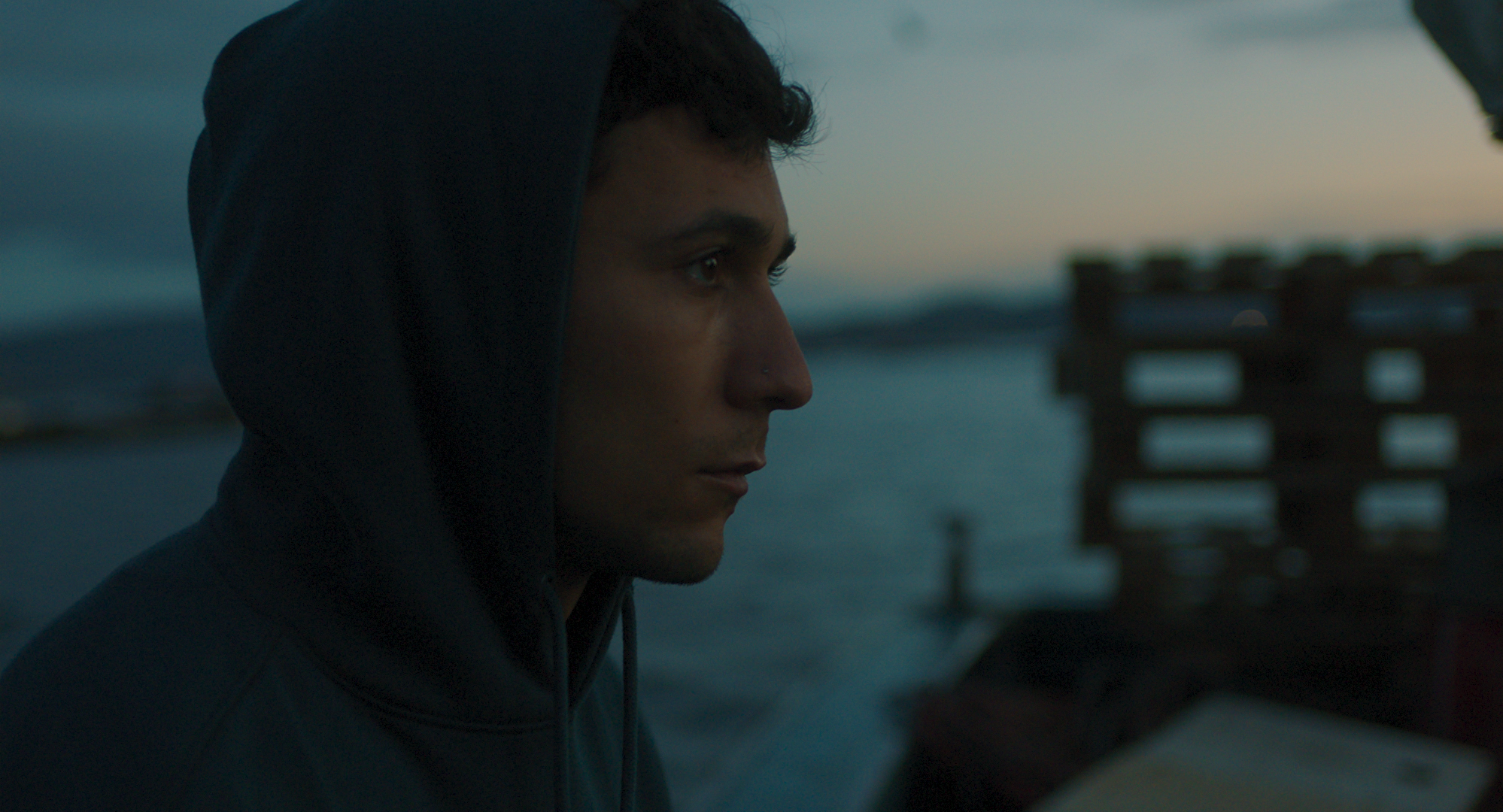
Santi is a teenage father who lives in a small coastal town. During the day he has a job as a fisherman, while at night he smuggles seafood. While his girlfriend Lucia takes care of their baby all by herself, Santi, absent and overwhelmed by responsibility, seeks refuge and redemption in the sea.
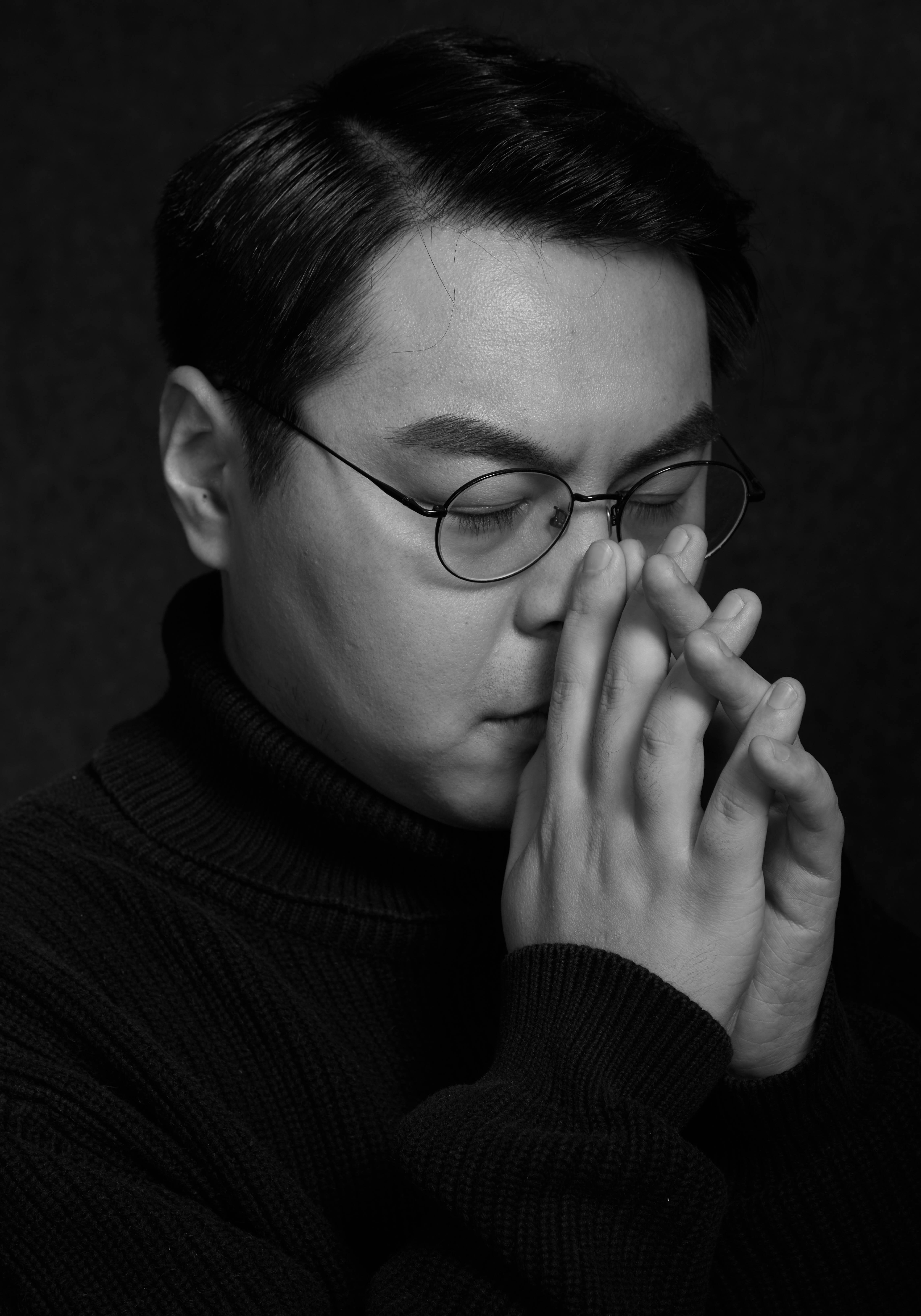
ELOY DOMÍNGUEZ SERÉN
After graduating from the Autonomous University of Barcelona (UAB) Eloy Dominguez Serén started his career as a film critic and co-founder and co-director of A CUARTA PAREDE Magazine. In 2010 he served on the Youth Jury of the Venice Film Festival. The following year he moved to Stockholm, where he directed two short films: PETTRING (2013) and NO NOVO CÉIO (2014). In 2014 he filmed the medium-length film JET LAG and during the following two years he completed NO COW ON THE ICE (2015) —premiered at Visions du Réel— and the short films YELLOWBRICK ROAD (2016) and RUST (2016). In 2018 he premiered the feature film HAMADA at IDFA. Having been screened at festivals such as BAFICI and the Edinburgh International Film Festival, the film won awards at the Cinéma du Réel, FIC Xixón and Porto/Post/Doc festivals. His most recent short film, THE BODIES (OS CORPOS, 2020), was premiered at IDFA.
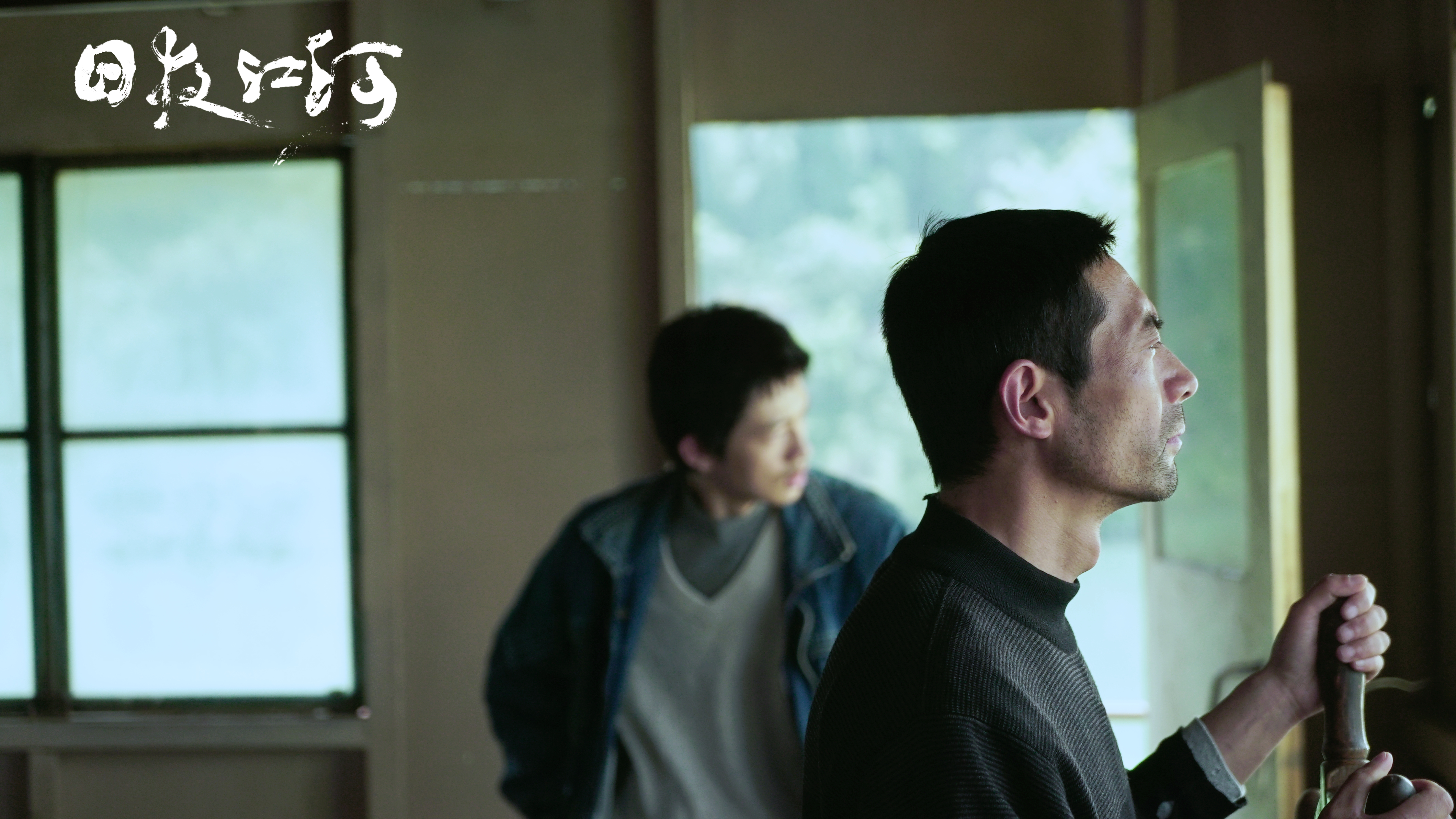
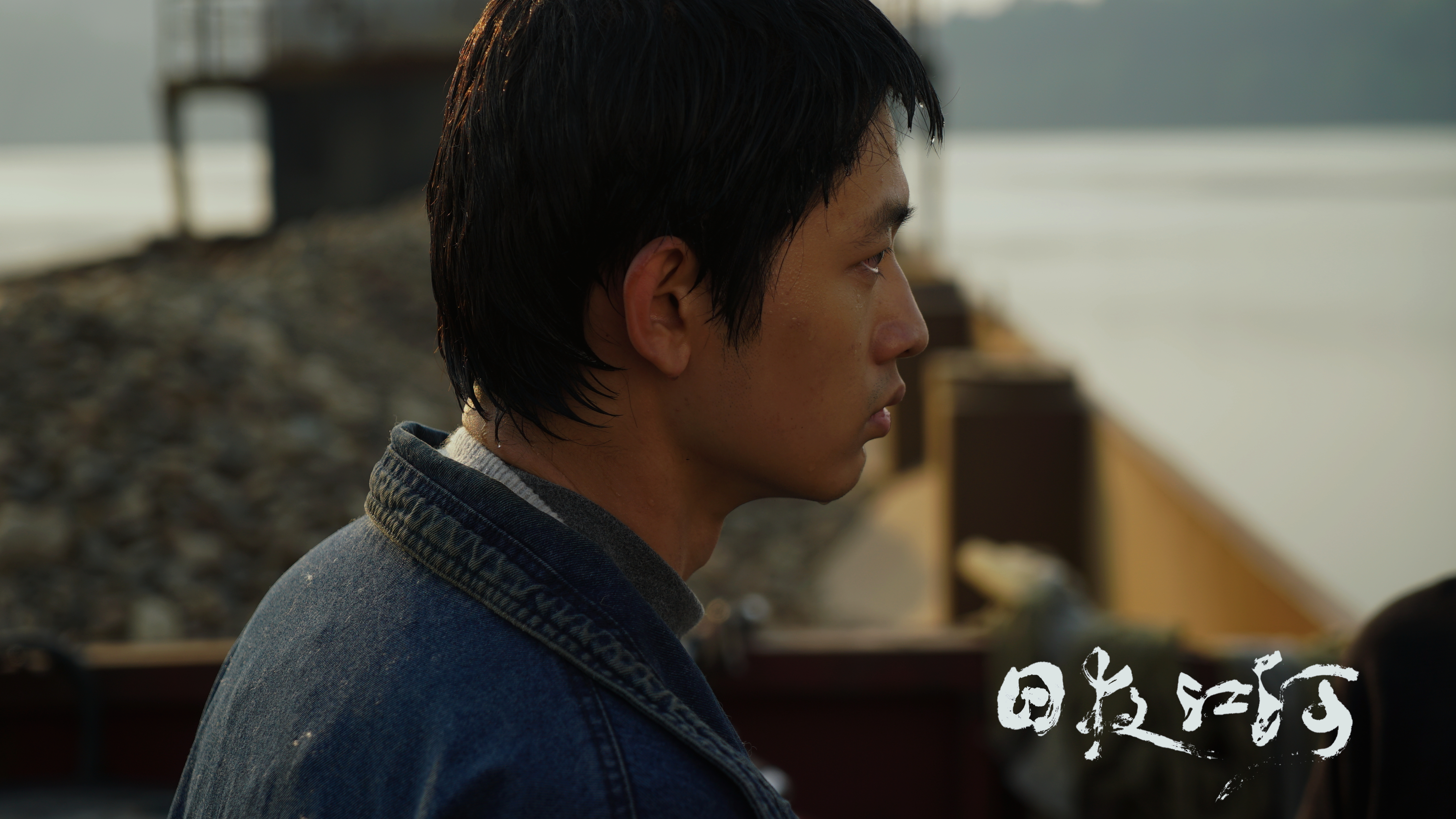
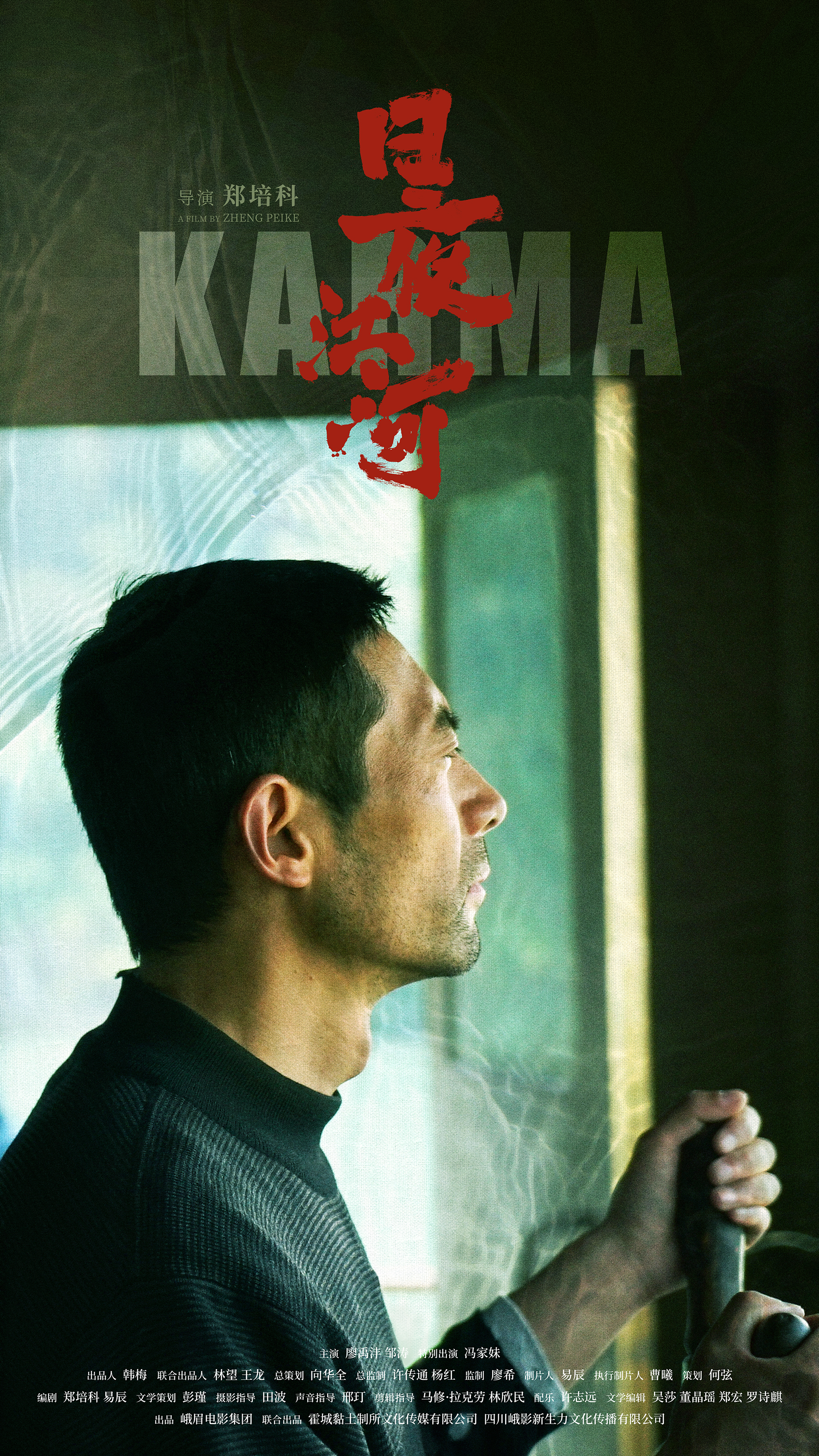
Set in 1990s China on Yangtze River, along with a sudden accident, 2 boatmen of different generation have lost their loved ones. Facing grievance against each other and the twist and turns of their likely father-and-son relationship, they embark with the flow of unknowns.
PEIKE ZHENG
Graduated from Beijing Film Academy, Chinese young director Peike Zheng has filmed short films A Writer’s imagination and After a CarAccident. Karma is the director’s debut feature film.
Report Sarjun KM, Twiinkle Saaj India. 2022. 20 min
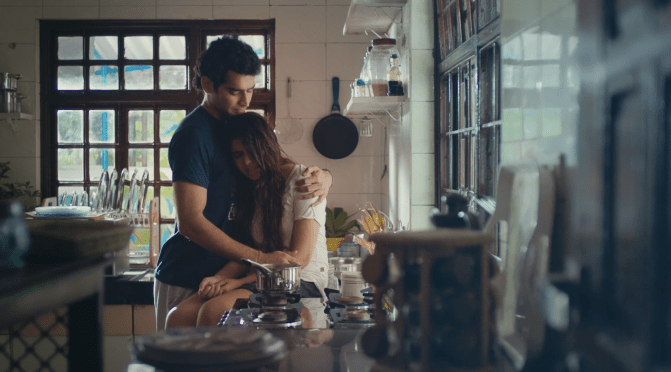
Yashika experiences various versions of herself redoing an incident, over and over again in her head to comprehend what actually transpired. Human complexities are revealed as we see her recount different, subjective, alternative, selfserving, and contradictory versions of the same incident. But which one is real? It is her journey against the patriarchal society and seeking justice as well as mental peace, her way.
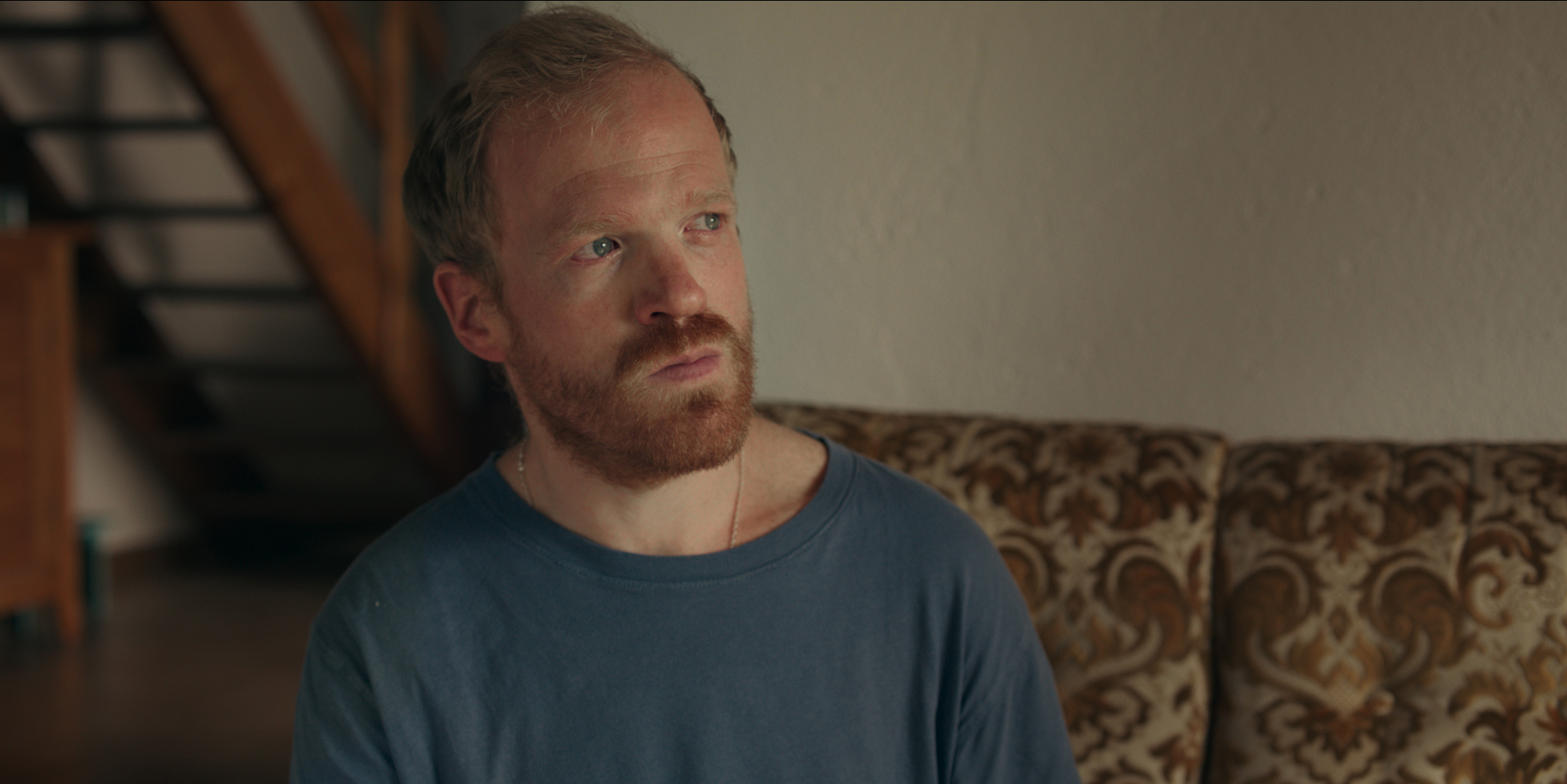
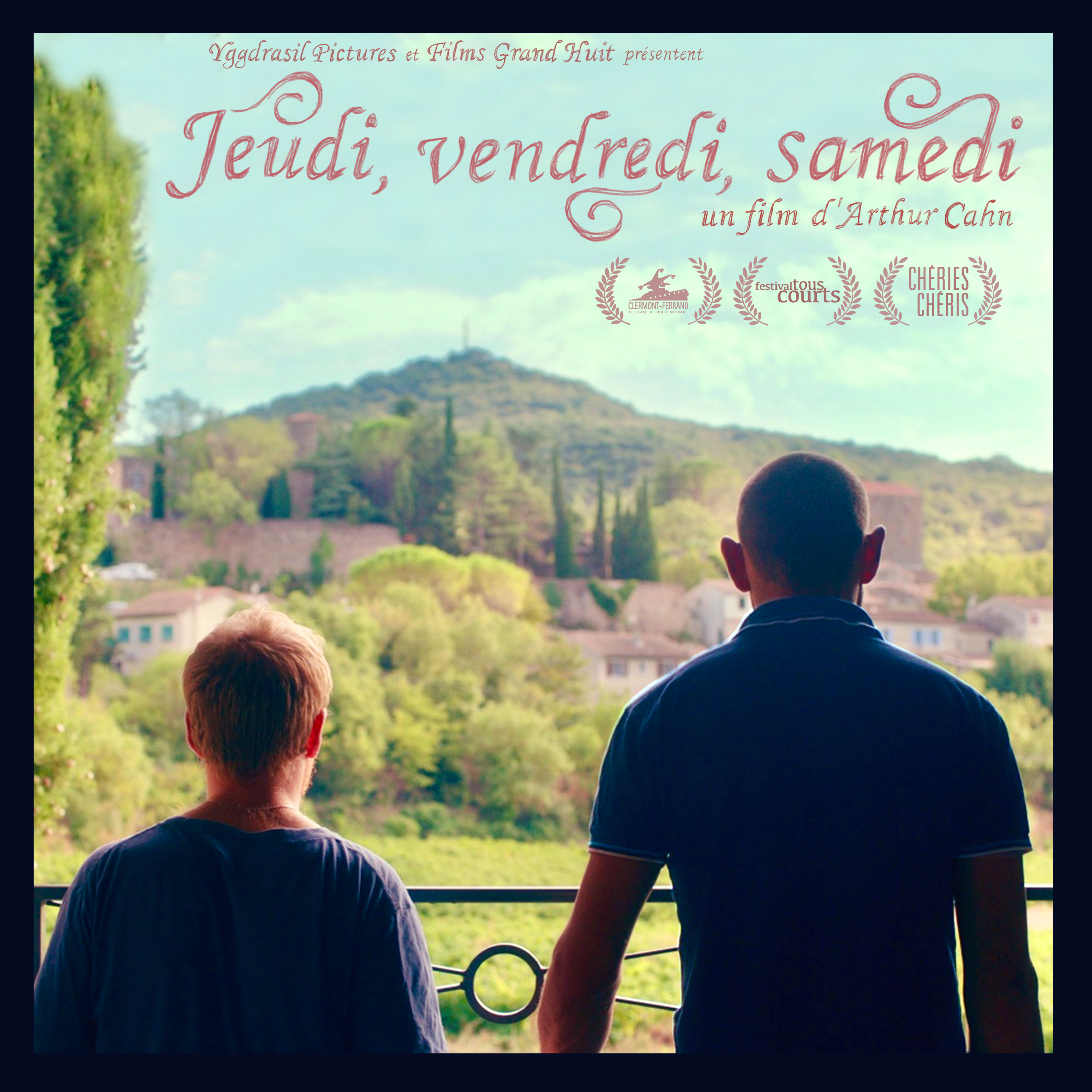
Thursday, Friday, Saturday Arthur Cahn France. 2021. 20 min
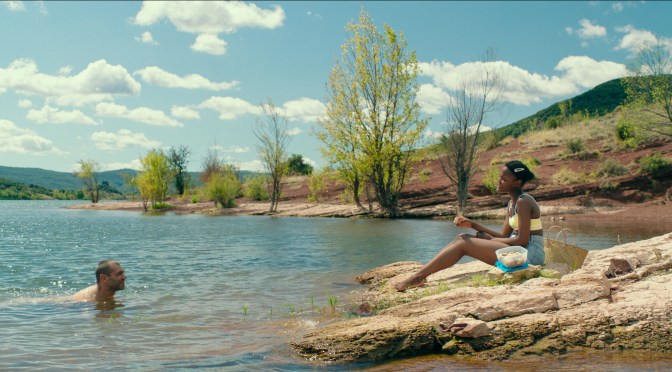
The factory where Romain and Adémar work has caught fire, so they decide to enjoy three days of idleness together in the mild summer.
ARTHUR CAHN
Arthur Cahn studied in Hypokhâgne and Khâgne, then in Modern Literature before turning to cinema. He went to NYU for the Sound and Sight summer session, before entering the FEMIS in directing, from which he graduated in 2012 with the medium-length film Les ravissements, selected at the Cinéfondation. Following his studies, Arthur directed 2 short films, Au loin les dinosaures and Herculaneum. The 1st wins the CCAS prize at the Premiers Plans festival in Angers and the 2nd receives, among others, the press prize at the Clermont-Ferrand festival. In 2018, Le Seuil published his 1st novel, Les vacances du petit renard. For 2 years, Arthur has been co-writing feature films while developing his personal projects.
From Door to Door Rohit Khaitan India. 2022. 45 min
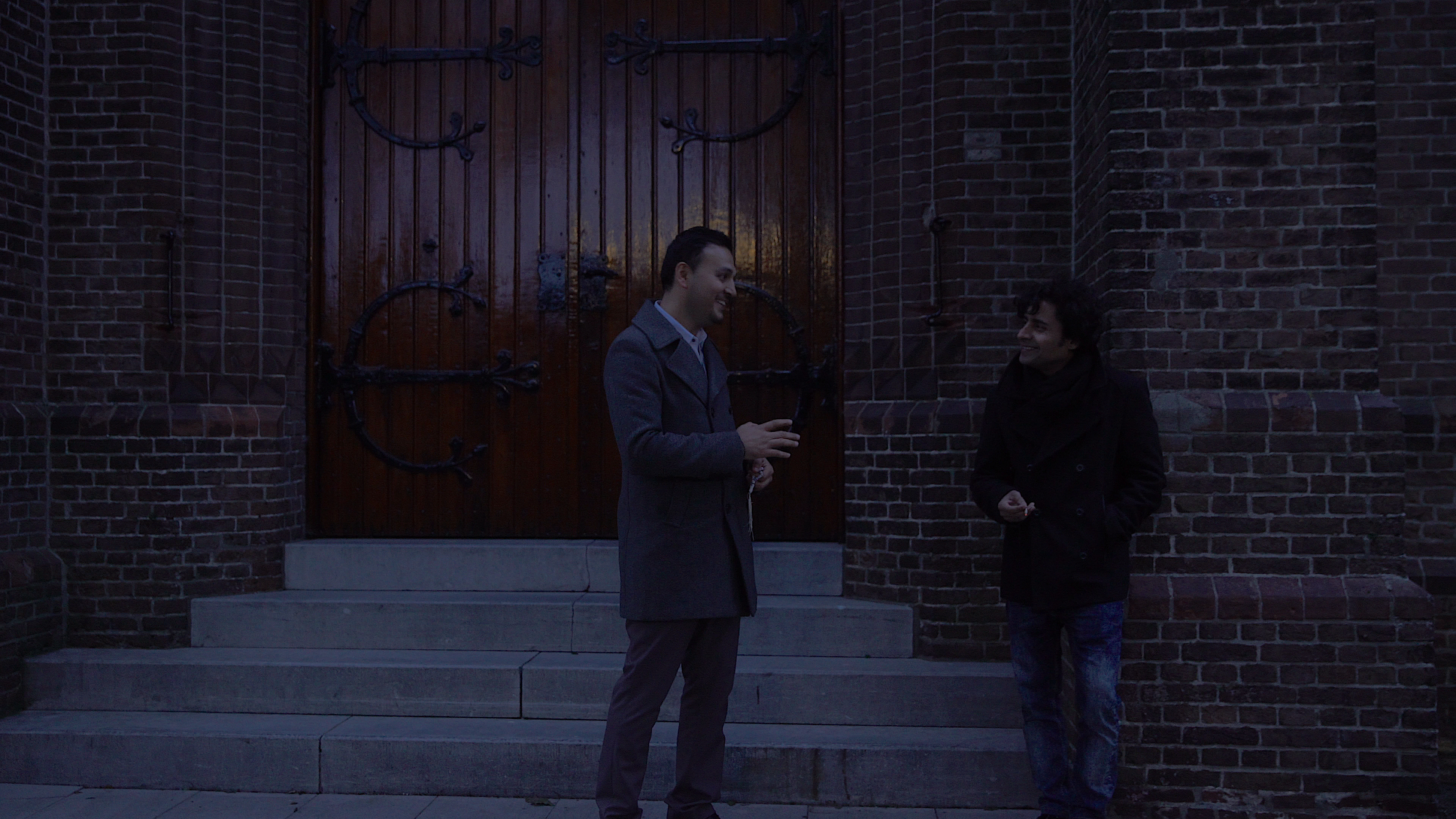
The film is a human story of displacement, refuge, dreams, reality, success, failure, resilience, challenges, co-incidences and life altering experiences. Dar-Badar is a Farsi and Urdu word also used in Hindi. It literally means ‘Door to Door’ and used to signify someone who has no Home, one who is roaming one place to another, hoping for a Refuge. In simple words- Homeless or Displaced. It’s a story of two strangers displaced from home, who meet in a foreign city which is nobody’s home. A story lived through the travelling eyes of an Afghan driver displaced from his motherland and an Indian actor searching for his identity, how history, art and cinema brings them together leaving an ever lasting impact on each other before they bid good bye.
ROHIT KHAITAN
From Door to Door is a debut feature mid length film by Debutante Rohit Khaitan as a director. Although Rohit Khaitan has produced and distributed films which have been in official selections at various A grade international film festivals like Festival De Cannes, Venice, TIFF and others. Rohit has also served Balaji Motion Pictures Limited in capacity of creative producer in 2009-10 and NFDC as supervising producer in the year 2010-2011 where he was in charge of films like Indian European co-production ‘Qissa’ starring Irrfan, National award winning Gujrati language film ‘The Good Road’ “He’ directed by Mangesh Joshi and ‘TGIYB’ and others.
Rohit’s own home production independent short ‘Lehenga’ inspired by true story of a Gandhian family directed by Richa Srivastava was selected in ‘court-mètrage’ section at Festival De Cannes-2012, New Jersey International Film Festival and his Critically acclaimed feature film ‘Prague’ which he conceptualized and produced was officially selected in competition section at 12th Osian’s Cinefan, Tashkent International Film Festival (Organized by the Govt. of Uzbekistan), Jagran Film Festival in Finals competition, Berlin and Prague Indian Film Festival. Most recently Rohit has distributed ‘The Accidental Prime Minister’ Children film ‘Notebook’ by National award-winning Nitin Kakkar, under license from YRF UK and English language film ‘Hotel Mumbai’ in cinemas in Sweden. Rohit has also produced Hindi plays ‘Do Deewane Shaher Mein’ based on Shakespeare’s Romantic Comedy ‘The Two Gentlemen of Verona’ in 2017 to mark 400th death anniversary of Bard and opened at India Habitat, Sri Ram Center New Delhi, Epicenter Gurgaon and various performing arts center in overseas. This is Rohit’s debut film which features known actor Chandan Roy Sanyal, debutante afghan-dutch actor Shoaib Ahmed Lodin and 4 times national award-winning filmmaker Madhur Bhandarkar. From Door to Door is produced in collaboration with Shams Media from Afghanistan, Salp Films from Holland and Kartina Entertainment.
DIRECTOR,S NOTE
From Door to Door is an emotionally driven drama revolving around two artists who meet as strangers in Amsterdam (Netherlands) both having things in common – love for art, cinema and Indian movies. It is a fictional tale inspired by true events. It is a human story of displacement, Refuge, dreams, reality, success, failure, resilience, challenges, co-incidences and life altering experiences. The story takes us through the life experiences of Shoaib (An afghan pastoon) who is displaced from his motherland, comes to Netherlands to seek refuge and save his life from the war-torn Afghanistan. He is an ardent fan and admirer of Indiancinema. He wishes to pursue his dreams of becoming an actor, comes to Mumbai to try his hands in acting and due to immigration rules and ill fate and his hard-earned savings running out he has to return to Holland where he becomes a private taxi driver. He meets a stranger one night in his taxi on the streets on Amsterdam who he realizes to be a famous Bollywood actor played by Chandan Roy Sanyal. The two strangers meet unexpectedly, co-incidentally and become friends as the boundary between the two diminishes and they both inspire each other which helps them both as individual humans and artists.
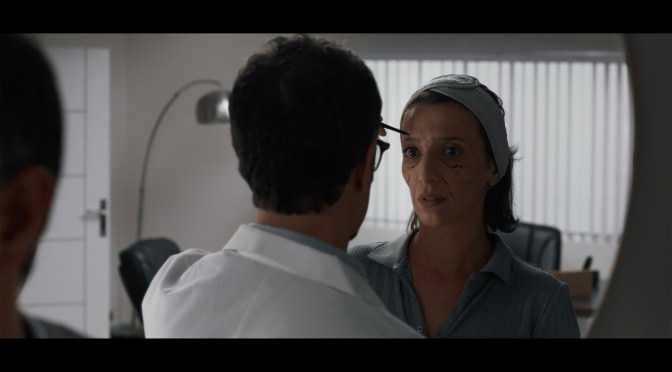
37-year-old Belma’s self-confidence gets damaged when the doctor -she went for her skin rash problem- tells her that she should get botox. Suddenly, she becomes a woman who is uncomfortable in her skin. She gets botox but things do not go as her expected.
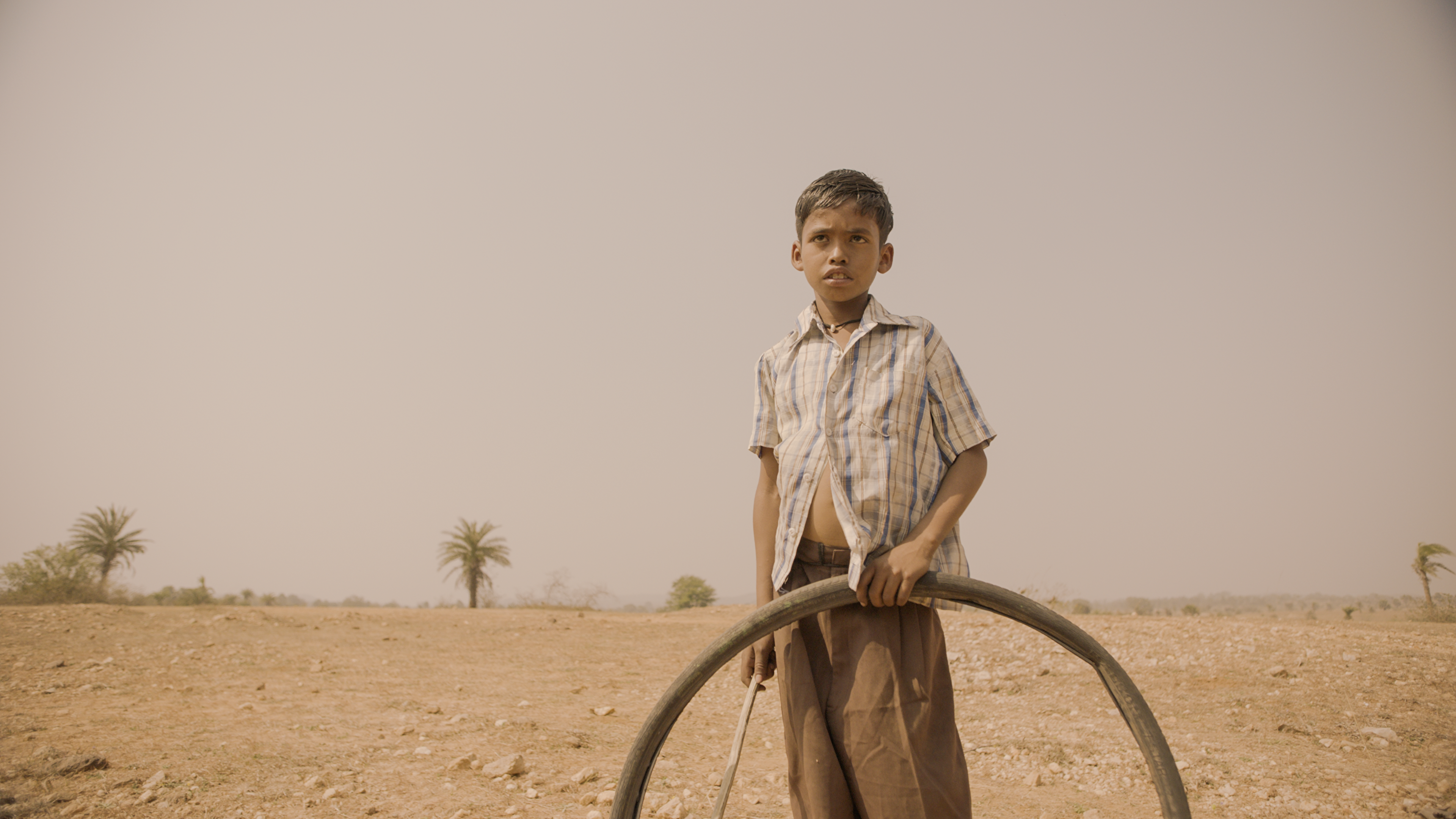
Soma has been married to Sunanda a couple of years back. Sunanda has to stay near Palamo in Bihar due to work. Hence Soma stays in Bihar now and has a family there, getting all the luxuries that are required. Even today, she waits every moment for a letter from her beloved, Bedey Da. She is still waiting for the answers to her letters. That wait comes to an end when Bedey Da arrives at her bungalow. The two are meeting again after one year. They go back to the days before Soma’s marriage. In the absence of Sunanda, the moments of spending time together all day long become the ultimate achievement of their lives.
ANURAAG PATI
After completing his school and college, Anuraag Pati moved to Kolkata to pursue his dream. He worked as a Chief Assistant Director to Sumit Das in”Janbaaz”, Anindya Bikash Dutta in “Kiriti o Kalobromor” and “Nilachole Kiriti”, Arun Roy in “Hiralal” amonogst others. He directed his first short film “The Divine Sex” in 2016 which won Phoenix Film Awards in Melbourne. This was followed by “Dure Kothao”, “The Surprise Gift” and a small tribute to Satyajit Ray “Apu Kajaler Goppo” in 2018 in quick succession. “Apu Kajaler Goppo” won 17 National and International Awards.
After murdering her stepfather, Marina (14) decides to leave home and run away with that responsibility forever, but first she must pick up her stepsister Estrella (6) and hand her over to her mother, who also disappeared some time ago. Ana’s path of search (the mother) will lead the sisters to meet, confront each other and realize their loneliness in the world.
Silence Again Mohammad Kamal Alavi Iran. 2022. 12 min
A young woman lives on a hill far from the city. Alone and in silence. She farms and takes her produce to the city on an old motorbike. On the way back, a scarecrow catches her eye. The woman returns home but can not get out of the scarecrow’s mind. She gets up in the middle of the night and walks in the dark. The next morning, the scarecrow is at the woman’s house. The woman is no longer alone. She changes the look of the scarecrow and gives it a feminine look. The woman’s relationship with the scarecrow gradually deepens. One day the woman returns home. When she opens the door, a scarecrow falls on her face and injures her. The woman throws the scarecrow out of the house and sheds tears alone and broken. The next morning the farmland, roads and houses are empty and silent. In the middle of a paddy field, a woman stands in a scarecrow shirt and hat with her arms outstretched. Still and motionless, like a scarecrow.
MOHAMMAD KAMAL ALAVI
Mohammad kamal Alavi is an Iranian film director, actor and production manager. He is born on Oct 20, 1983 in Tehran , Iran and graduated in advanced direction from School of art and architecture , Tehran center. He has directed four short movies : Nim/half – The Puncture – The Single Horn – Silence Again.
He has been in many films as production manager, like Farnoosh Samadi’s movies and they have been in many festivals like Cannes, Locarno, Venice.
DIRECTOR,S NOTE
When we are alone there is nothing to hide, it is our true self that lives, walks and falls in love. Due to the geography in which I live, I consider being a woman to be a constant challenge for women, and telling their stories is one of my main concerns in making films. Depicting a lonely woman, far from everyone and close to her, with an unconventional love story doubled my motivation for making the text. Also, the concise and minimal narrative method, without dialogue and atmosphere, made it possible for me to rely on the essence of cinema, the image, in decoupage, and to objectify my mental images. And in the end we are all alone.
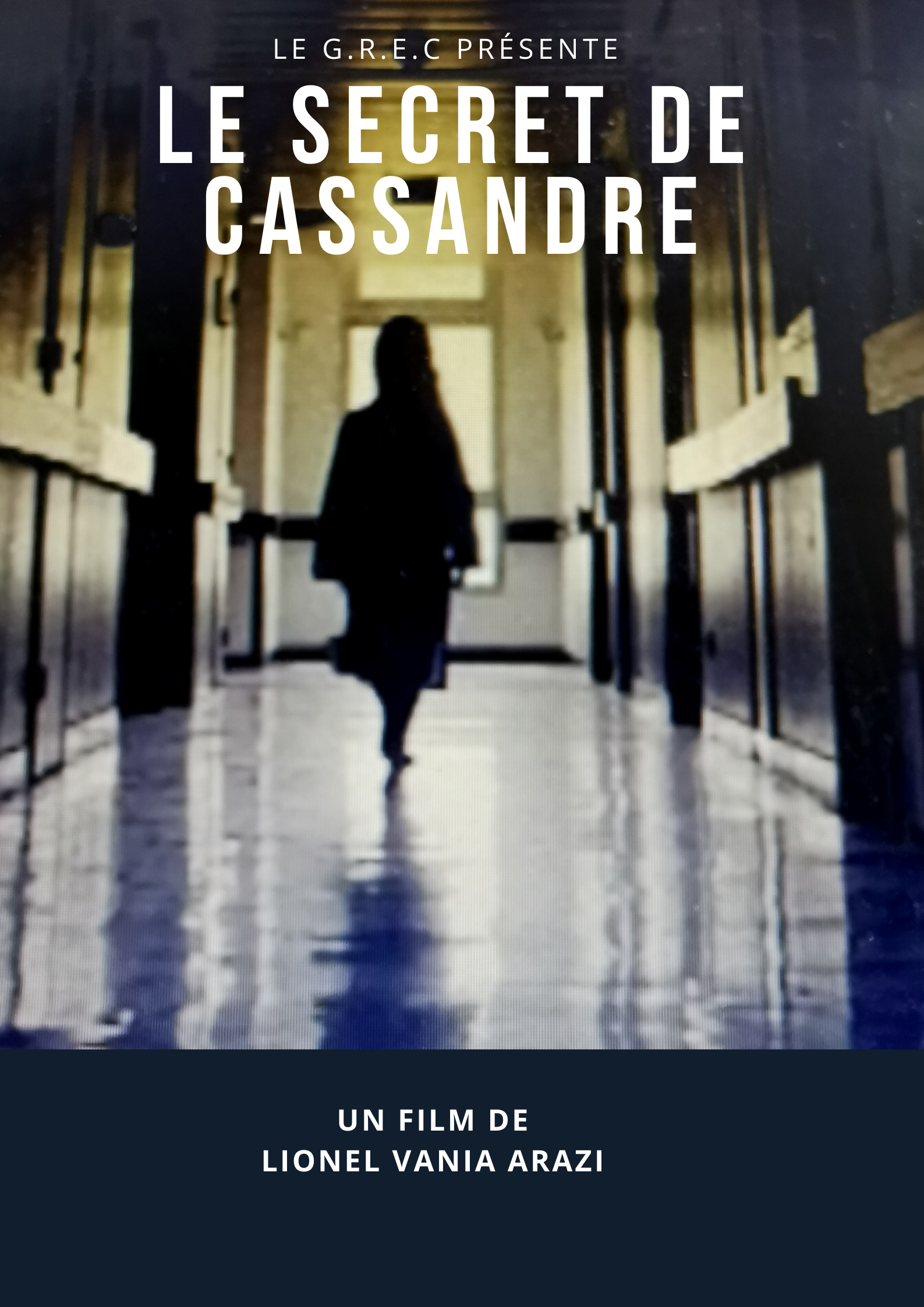
The Secret of Cassandre Lionel Arazi France. 2021. 12 min
Cassandre, a 6-year-old girl, is hospitalized because she is “different”. From her bedroom to the lingerie, through the corridors, she walks between her imagination and reality … With poetry and visual metaphor, this short film addresses the way we look at difference … How the five fingers of the hand question the relativity of the concept of normality: and if in this world having five fingers is an abnormality? Should we accept the differences or erase them? What weight do the views of others have on our decisions and actions? These are the main issues of the film that Cassandre and her parents must answer.
LIONEL ARAZI
Director of 6 short films and documentaries, he won a dozen awards and almost 105 festival selections for “Le secret de Cassandre” produced by the G.R.E.C. He has also worked on a hundred fictions and documentaries, assisting many directors: Jean Rouch, Jean-Pierre Limousin, Julie Bertuccelli, Chris Marker, Chantal Akermann, Pedro Costa, etc.














 imagineindiafestival.com