Osama (Siddiq Barmak) Afghanistan

Osama
Siddiq Barmak
Afghanistan. 2003. 83 min

A 12-year-old girl, her mother, and a girl have survived the repressed demonstrations launched by Afghan women at the beginning of Taliban regime. The girl and her mother work in a hospital and soon become aware that the Taliban have dismissed all the people working there and have closed its gate.
The Taliban make sure that no women can get out of their houses without a legal companion (without any member of their family). If they do so they will be punished.
To support the family, the girl’s mother, who has lost her job, decides together with the girl’s grandmother to change the appearance of the girl in order to look like a boy. This decision terrifies the girl. She is afraid of what will happen if the Taliban finds out that she is a girl.

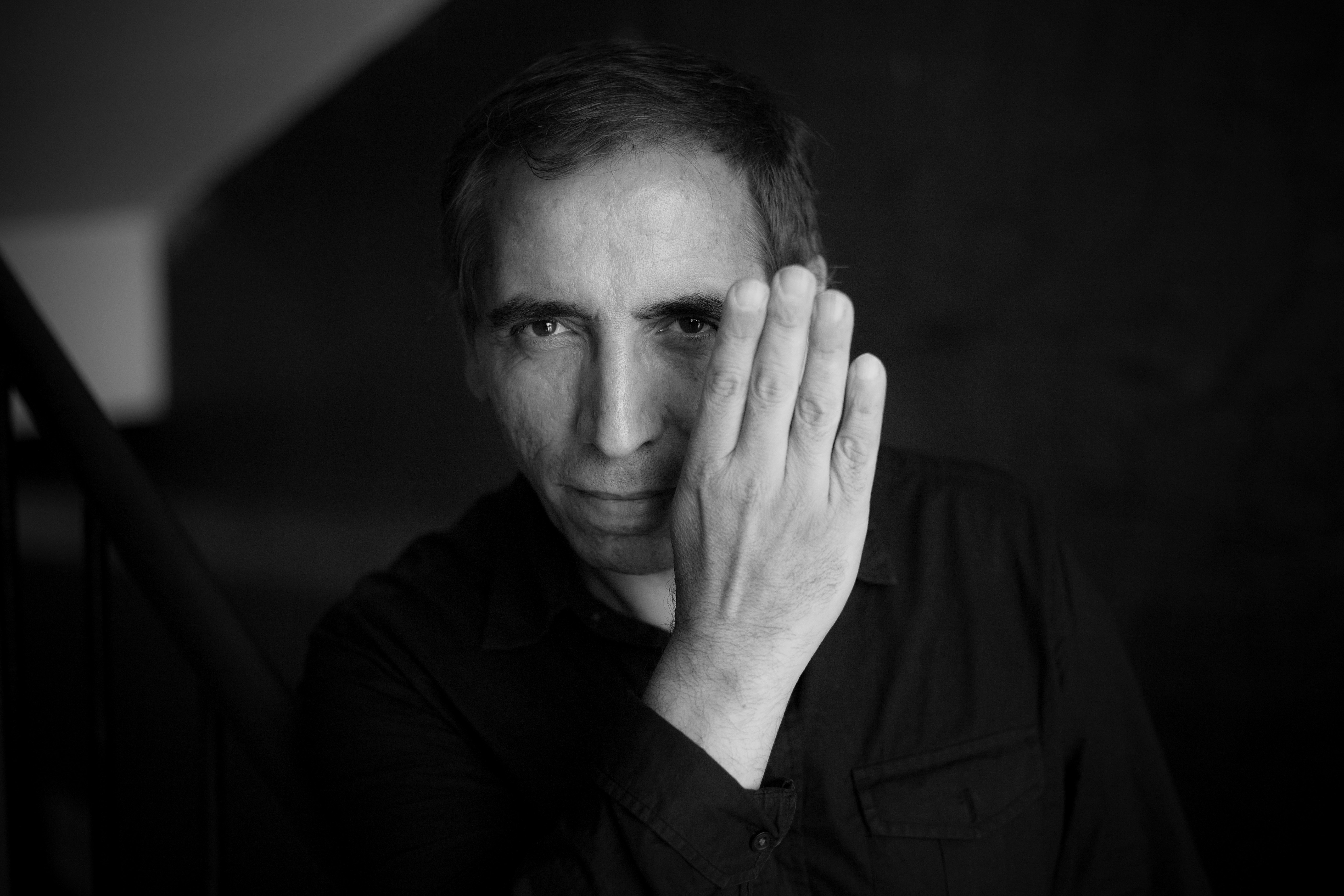
Siddiq Barmak (September 7, 1962) is an Afghan film director and producer. In 2004, Barmak won Best Foreign Language Film at the Golden Globes for his first feature film, Osama. He received an M.A. degree in cinema direction from the Moscow Film Institute (VGIK) in 1987.

There is a stylistic echo in Osama featured in Afghan films by the Iranian Makhmalbaf dynasty. Barmak directed Osama with significant funding and assistance from Mohsen Makhmalbaf. The Iranian director invested in the film, lending Barmak his Arriflex camera and encouraging him to send the movie to international festivals, which eventually generated further funding from Japanese and Irish producers. Barmak received “UNESCO’s Fellini Silver Medal” for his drama, Osama, in 2003.

Barmak is also director of the Afghan Children Education Movement (ACEM), an association that promotes literacy, culture and the arts, which was also founded by Makhmalbaf. The school trains actors and directors for newly emerging Afghan cinema. Barmak is one of the celebrated figures in Persian cinema as well as the emerging cinema of Afghanistan.

FILMOGRAPHY

  • Divar – (1984) director
  • Circle – (1985) director
  • Bigana – (1987) director
  • Uruj – (1995) scipt writer
  • Osama – (2003) director
  • Kurbani – (2004) executive producer
  • Earth and Ashes – (2004) co-producer
  • Opium War – (2008) director
  • Apple from Paradise (2008) – producer
  • Neighbor (2009) executive producer

barmakfilm@gmail.com

Dear Latika (Kanchan Pant) India. Official Section

Dear Latika
Kanchan Pant
India. 2023. 105 min

The narrative revolves around Latika, a simple, optimistic young woman. She represents one of the countless girls whose societal norms forbid them from experiencing love, intimacy, or friendship with a man prior to marriage. Strangely, these same girls are expected to effortlessly transform into sensual goddesses overnight upon entering matrimony.

Mayank resides as a tenant in Latika’s house, where their paths fortuitously cross. Latika discerns Mayank’s bitterness stemming from his alcoholic father and his own insecurities. Initially taken aback by his reserved demeanour, Latika extends her hand in friendship. Through their burgeoning companionship, Mayank finds solace and validation, ultimately falling in love with her.

Continue reading Dear Latika (Kanchan Pant) India. Official Section

Jane Campion, Lifetime Achievement Award at Imagineindia 2024

Jane Campion has been given the Lifetime Achievement Award at the 2024 edition of Imagineindia International Film Festival to be held in Madrid.

This is what she said to Imagineindia:

“I went to India in my 30’s and I met yoga mother or Mrs. Dayas. She lived in Jaipur and she taught me yoga. Her and her family also visited me to Sydney AUSTRALIA and one way or another We tried to see each other every year. When I was developing the idea of HOLY SMOKE, which I wrote with my sister Anna Campion, I partly wanted to do it so I could see my Indian family and they could help me with the filming so that’s really my connection to India it was all through Yoga mother and the DAYA’S family of Jaipur. My friendship with them and my love of India which is on going has really enriched my life.”

Elizabeth Jane Campion  (born 30 April 1954) is a New Zealand filmmaker. She is best known for writing and directing the critically acclaimed films The Piano (1993) and The Power of the Dog (2021), for which she has received two Academy Awards (including Best Director for the latter), two BAFTA Awards, and two Golden Globe Awards. Campion was appointed a Dame Companion of the New Zealand Order of Merit (DNZM) in the 2016 New Year Honours, for services to film.

Continue reading Jane Campion, Lifetime Achievement Award at Imagineindia 2024

Ruchika Oberoi, jury at Imagineindia

Ruchika Oberoi is a Film Director and Screenwriter. Her debut feature film ISLAND CITY premiered at Venice Days, 72nd Venice Film Festival (2015), winning the FEDEORA Critics Award for Best Debut Director. The film traveled to over 30 International Film Festivals, including Karlovy Vary, Tallinn Black Nights, Stockholm, Cairo, Warsaw and Beijing. She won the Best Screenplay award at the New York Indian Film Festival and the Best Director award at ImagineIndia Film Festival, Madrid. She was nominated for the Transilvania Trophy at Transilvania International Film Festival, Romania and for Best Film at Bratislava, Slovakia. She was also nominated for Best Debut Director at the Filmfare and Star Screen Awards in India. The film stars Vinay Pathak, Amruta Subhash and Tannishtha Chatterjee.

Continue reading Ruchika Oberoi, jury at Imagineindia

The Scavenger of Dreams (Suman Ghosh) India

The Scavenger of Dreams
Suman Ghosh
India. 2023. 85 min

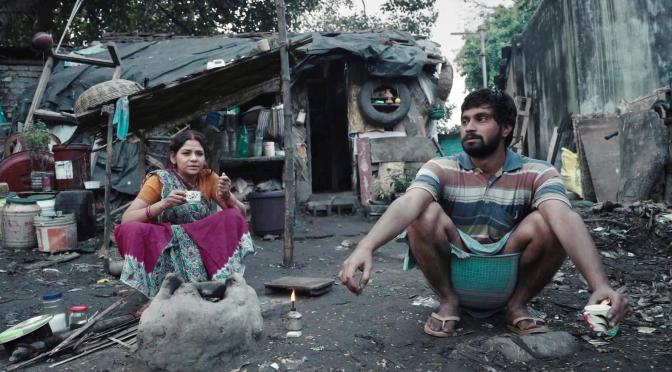
The story of a family of waste collectors in Calcutta who collects waste from one of the richest localities of the city. They sift through the wastes and bring objects for their 6 year old daughter to tell bed time stories at night. That is their connection with the richest strata of the society. Their life is left asunder when a new battery operated car is made mandatory for their collections.

Continue reading The Scavenger of Dreams (Suman Ghosh) India

MYDEAR (Kim Sohee / Jeon Dohee) Korea

MYDEAR
Kim Sohee / Jeon Dohee
Korea. 2023. 24 min

In 2027, Ga-eul, a hearing-impaired college student, learns about the app MYDEAR and becomes immersed in conversations with an AI presence. The app’s features easily help her overcome her disability, and the AI is affectionate and considerate, like a boyfriend. Director Jeon Dohee’s performance, woven into the film’s steady rhythm, amplifies the audiences’ sense of empathy.

Continue reading MYDEAR (Kim Sohee / Jeon Dohee) Korea

Keeping the Music Alive ( S.E.Younsi/M.Gahlot) France, Singapore

Keeping the Music Alive
Sarah E. Younsi/Mandakini Gahlot
France, Singapore. 2023. 77 min

Zohra, Afghanistan’s award-winning first all-female orchestra, has captivated audiences around the world with its musical talent. However, the return of the Taliban, with its rigid and damaging views on women and music, now puts the ensemble in grave danger. With the fall of Kabul, members still in the country have gone into hiding, while those who fled are advocating internationally to rescue their fellow musicians. The question remains: despite the challenges, will they be able to keep their music alive?

Continue reading Keeping the Music Alive ( S.E.Younsi/M.Gahlot) France, Singapore

Scream (Kenzhebek Shaikakov) Kazakhstan

Scream
Kenzhebek Shaikakov
Kazakhstan. 2023. 108 min

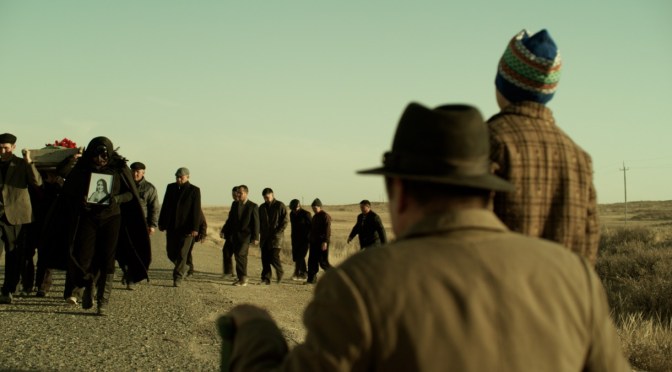
Born without legs, Melis lives with his young son in a small rural village. There is a weapons test site near the village, but Melis and other villagers lead a peaceful life. Zhalgas and his friends eagerly wait for the days when weapons are tested at the site, since the school closes on those days. With a strong will to live, Melis is wholeheartedly focused on raising his son. At some point, Melis’s body becomes associated with the weapons tests that signify nuclear experiments. This revelation causes an uproar in the village. Through the lens of everyday life in the small rural village, Kenzhebek Shaikakov captures the tragic history of Kazakhstan.

Continue reading Scream (Kenzhebek Shaikakov) Kazakhstan

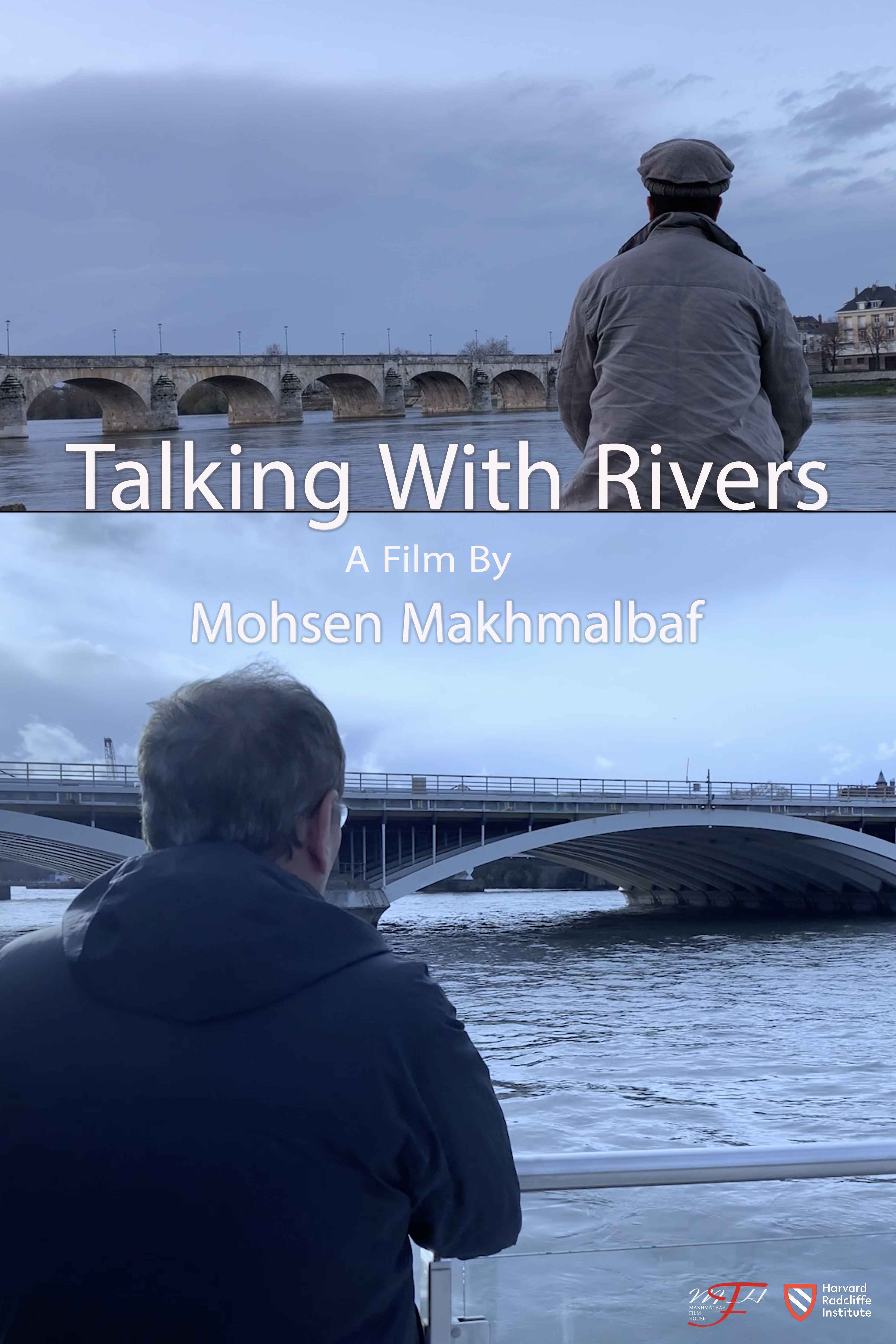
Talking with Rivers (Mohsen Makhmalbaf) Iran

Talking with Rivers
Mohsen Makhmalbaf
Iran. 2023. 50 min

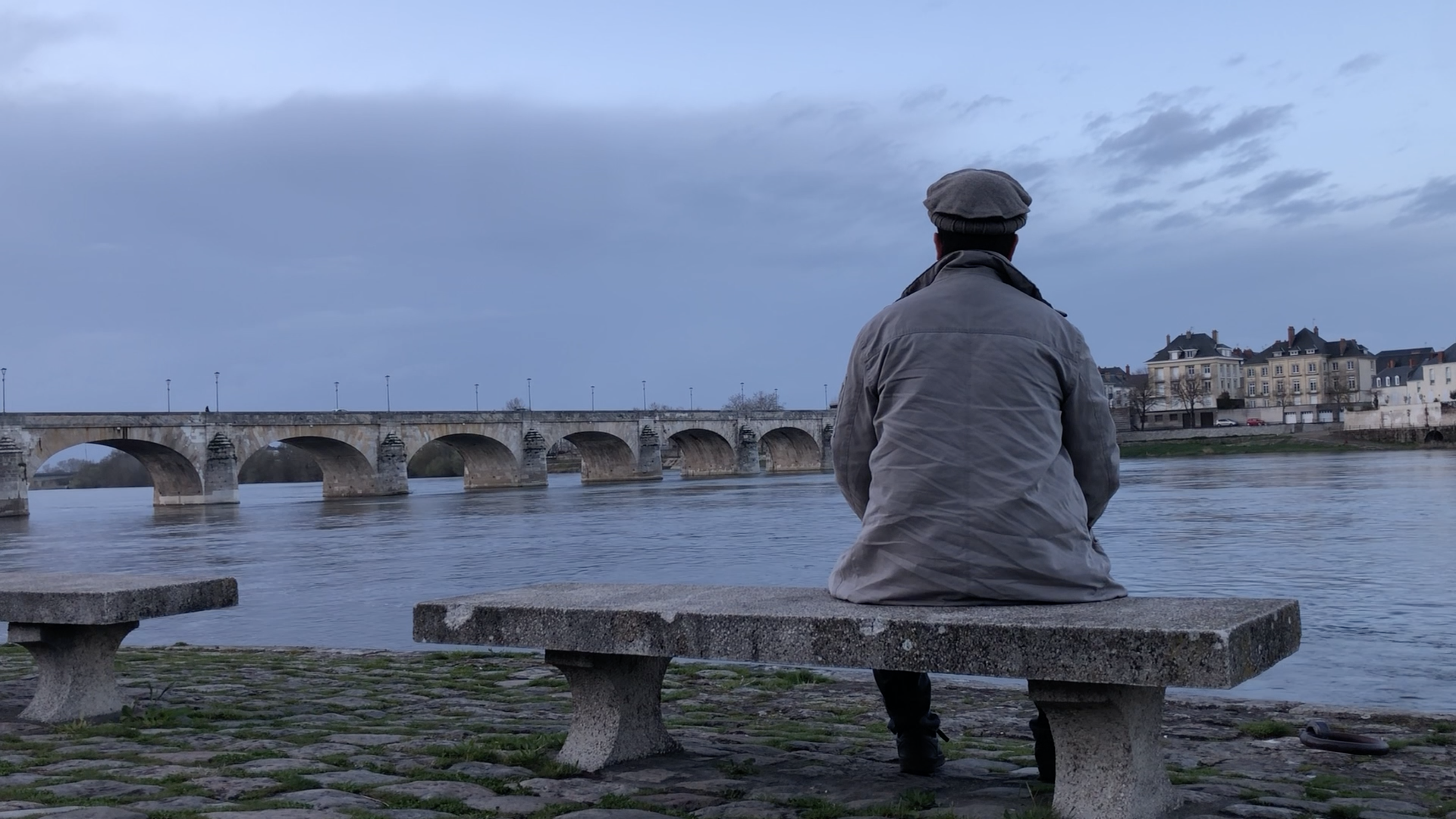
Talking with Rivers is a conversation between Iran and Afghanistan, two neighbouring countries that used to be one land. The two countries are now sharing their stories after they parted from each other, from the era of Soviet invasion to the civil war and the Taliban era, up to and including the rise and fall of America and the return of the Taliban.

Mohsen Makhmalbaf is an Iranian director, writer, producer. He is known as one of the most influential filmmakers and founders of the new wave of Iranian cinema in the world today.

During his career, Makhmalbaf has made numerous critically-acclaimed films including Salam Cinema (Cannes 1995), Time of love (Cannes 1995) Gabbeh (Cannes 1996), A Moment of Innocence (Locarno1996), The Silence (Venice 1998), Tales of Kish (Cannes 1999), Testing democracy (Venice 1999), Kandahar (Cannes 2001), Scream of the Ants (Montreal 2007), The President (Venice 2014) and The Night of Zayandeh-Rood (Venice 2017) …
He is the recipient of more than 60 international awards from some of the most prestigious film festivals across the world.
His film Kandahar has been chosen as one of the top 100 best movies of history of cinema by Times Magazine. And his film A Moment of Innocence has been selected as one of the top ten best films of the ’90s amongst the director of world international film festivals.
As a writer-director, Makhmalbaf has also published more than 30 books, many of which have been translated and published in many languages.

During the past 40 years, I have directed and produced ten feature and documentary films about Afghanistan. I have launched and completed dozens of cultural and educational projects in Afghanistan and for that matter, for years I lived in various times in different cities around Afghanistan, closely witnessing the contemporary history of Afghanistan and the lives of the people. In all these years I have felt that the world has forgotten Afghanistan and unaware of the sufferings of the Afghan people and those who intended to help but failed, had no concrete knowledge and notion of Afghan society. This film is an attempt to explain the complexities of this situation in a plain and intelligible language.

may@makhmalbaf.com