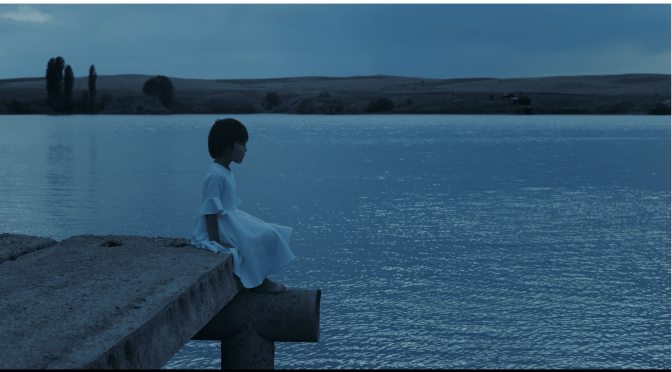
Red Pomegranate (Sharipa Urazbayeva) Kazakhstan

Red Pomegranate
Sharipa Urazbayeva
Kazakhstan. 2021. 113 min

Anar marries Marat and lives with him and his son Adil. Pregnant Anar requires care, as she is anemic and at a high risk of miscarriage. When Marat hastens their move to the countryside, Anar finds herself in unfamiliar surroundings. Then Marat leaves to ask Anar′s father for a job and goes missing. Soon his creditors visit Anar. To make matters worse, Anar learns that Adil was raped. Now she begins a lonely fight to protect Adil. Red Pomegranate is the second feature film directed by Sharifa Urazbayeva, who came into the spotlight with her previous film Mariam (2019). Just like Mariam, Red Pomegranate depicts an independent and strong woman/mother who takes charge of her family during the absence of her irresponsible and incompetent husband and fights social prejudices. Director Sharipa Urazbayeva provides an objective portrait of the reality they face while warmly supporting Anar’s choices and Adil′s growth.

SHARIPA URAZBAYEVA

Sharipa Urazbayeva is a Kazakhstani director, scriptwriter and producer.

In 2010, she graduated from the T.Zhurgenov Kazakh National Academy of Arts with a major in “Film Making” in the studio of the famous Kazakh actor and director B. Kalymbetov. Sharipa Urazbayeva had a difficult but very familiar path for people in the field of cinema art: she began as an assistant director and, as time went on, reached the stage of producing her own full-fledged films.

After graduating from the Academy, Sharipa completed “Higher Courses for Directing” majoring in “Film and TV Making” in the studio of the famous Georgian director Irakli Kvirikadze. Later, in 2013, she interned at Nova University in Lisbon, Portugal.

“Mariyam” made the author famous far beyond her native Kazakhstan. The film was applauded by critics in France, where it was shown to a sold-out crowd at the Vesoul International Film Festival of Asian Cinemas. As a result, Sharipa Urazbayeva won the Grand Prix of the festival.

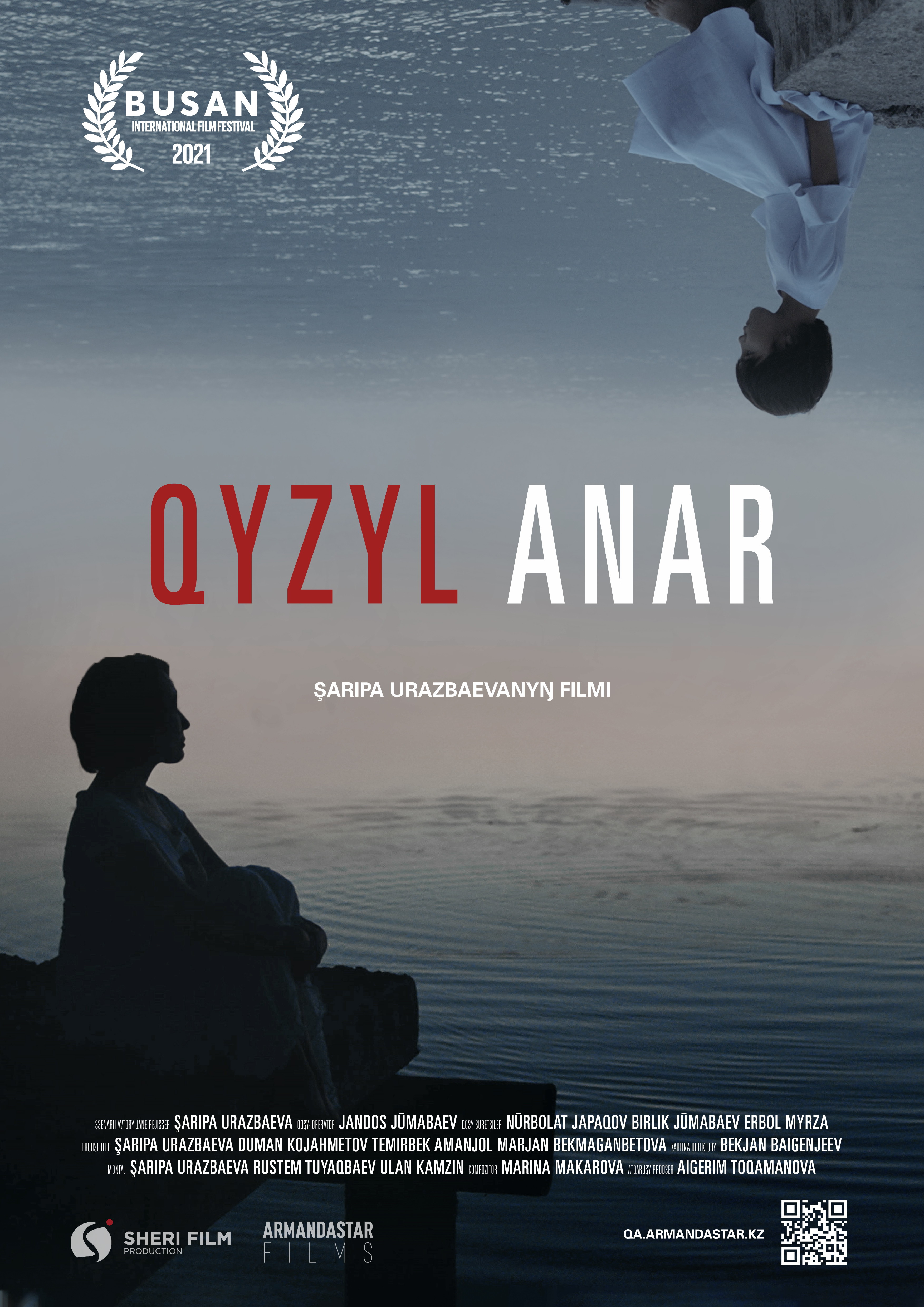
POSTER
CONTACT

alikenmm@mail.ru

Sijou (Vishal P. Chaliha) India. Netpac Section

Sijou
Vishal P. Chaliha
India. 2021. 108 min

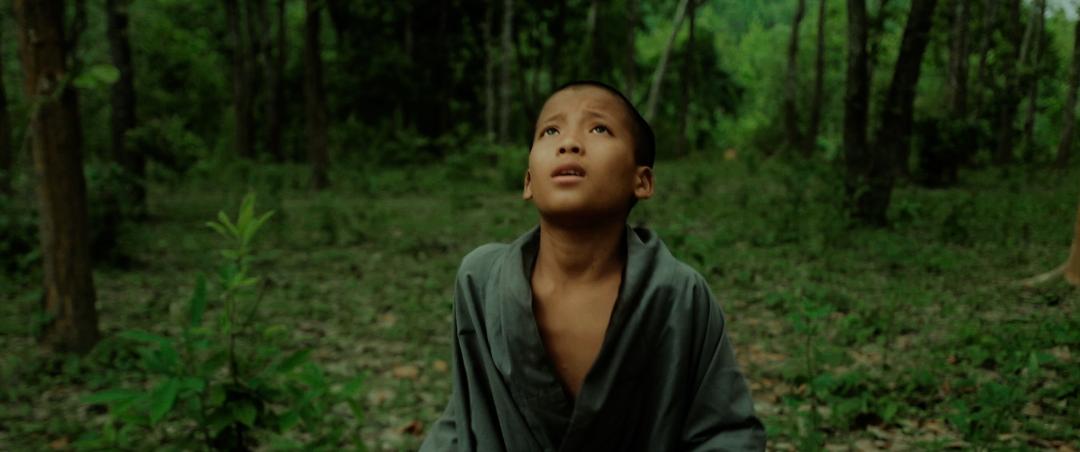
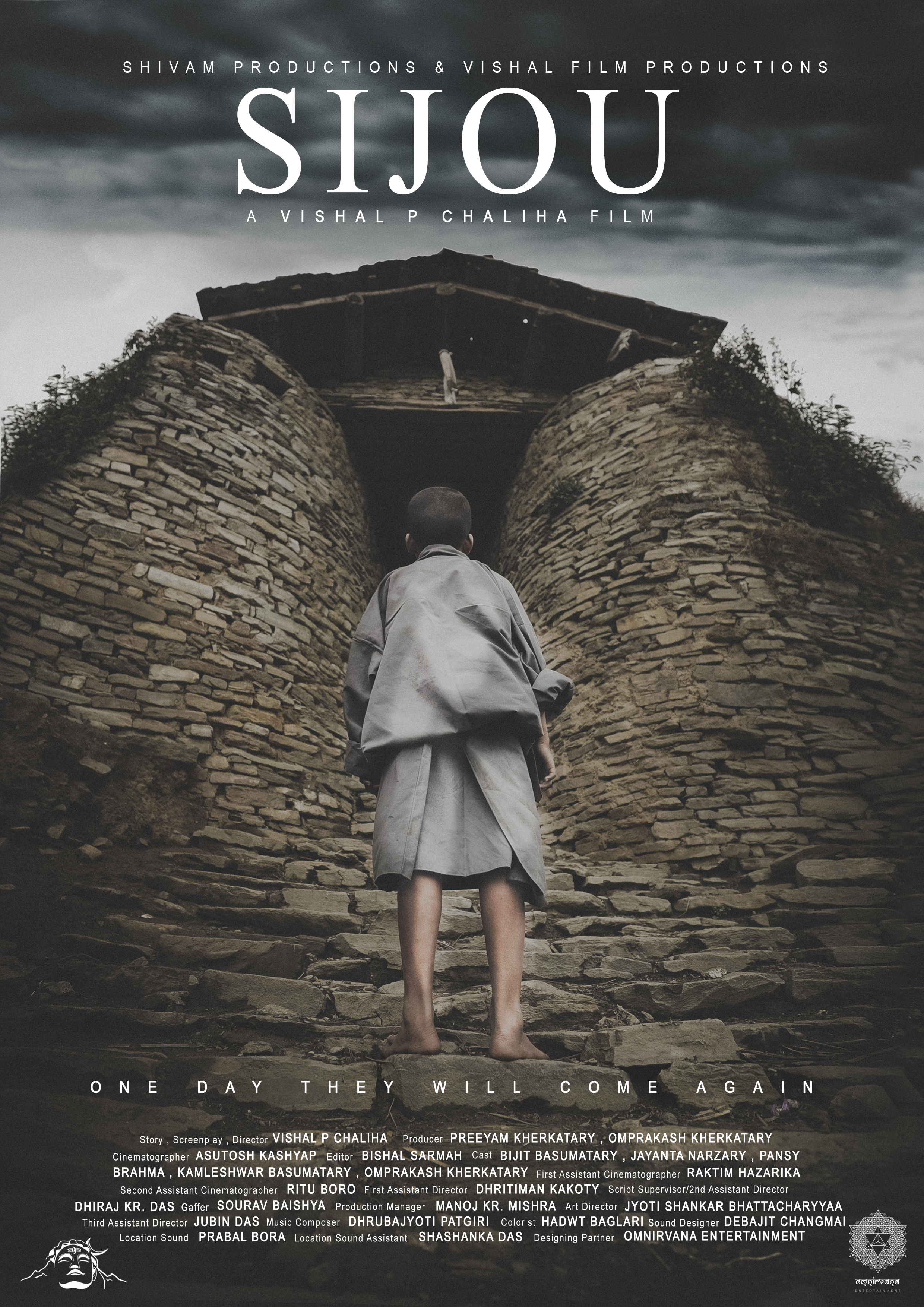
A boy named Sijou lives in a village named Saikhong Guri in Assam, India. A very jolly kid who loves playing with his friends but who knew that one day he will have to become a slave. His life takes a drastic shift when he becomes a victim of the Feudal Land Tenure System which was in practice in Bhutan till 1958. People living near the Indo Bhutan areas in Assam were also affected by this system until it was abolished.

Sijou lives with his father Niren. His mother died when he was an infant. Sijou is a very mischievous kid who annoys the people of his village alongwith his friends. The village where Sijou lives is Saikhong Guri which is very near to Indo Bhutan Border. The village is dominated by the Bhutanese people. The villagers have to pay tax for their land. The taxes are in kinds like rice, vegetables, usable items etc. Those who fail to pay the tax, has to live as a slave in Bhutan for the rest of his life.

One day Sijou’s father Niren fails to pay the tax because of which he is taken as a slave alongwith Sijou by the Bhutanese. Sijou leaves his village and goes to Bhutan. The Father and Son starts to serve the Bhutanese people. Sijou’s father suffers from a disease because of which he dies.
Karma,a Bhutanese man,is against this feudal land tenure system. But as he is a loyal nationalist, he is bound to obey it as a duty. Later,after seeing the atrocities, his conscience forces him to rescue Sijou and send him to a Monastery where Sijou stays for the rest of his life.

VISHAL P. CHALIHA

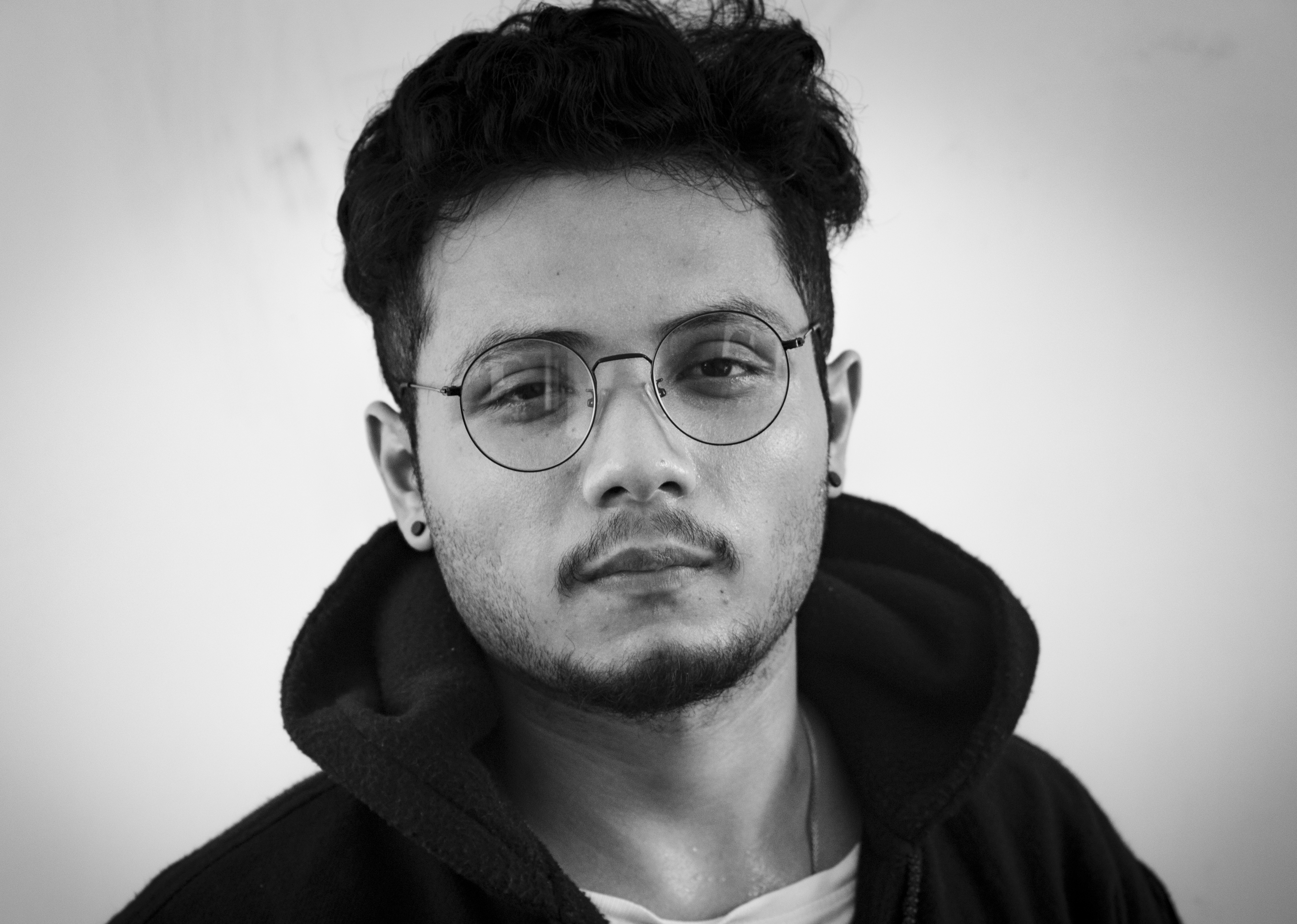
Vishal P. Chaliha is a director and writer from India. Sijou is his debut feature film as a writer and director. Before making Sijou, he made several short films and documentaries.

I live in Assam,India. Bhutan is very much near to my state. One day, one of the producer’s of the film Mr. Omprakash Kherkatary came to with the idea that he wanted to make a film on the feudal land tenure system which was in practice in Bhutan until 1958. So I asked him what it has to do with India or Indian people. He said that people living near the border areas of India and Bhutan, mostly people of Assam which is an Indian state, were victims of this system. Generally, whenever I hear the word slavery, the image of African slaves comes to my mind. I never knew that slavery was present near my state also.

POSTER

CONTACT

vishalchaliha.4@gmail.com

Holy Son (Aliosha Massine) Italy

Holy Son
Aliosha Massine
Italy. 2021. 20 min

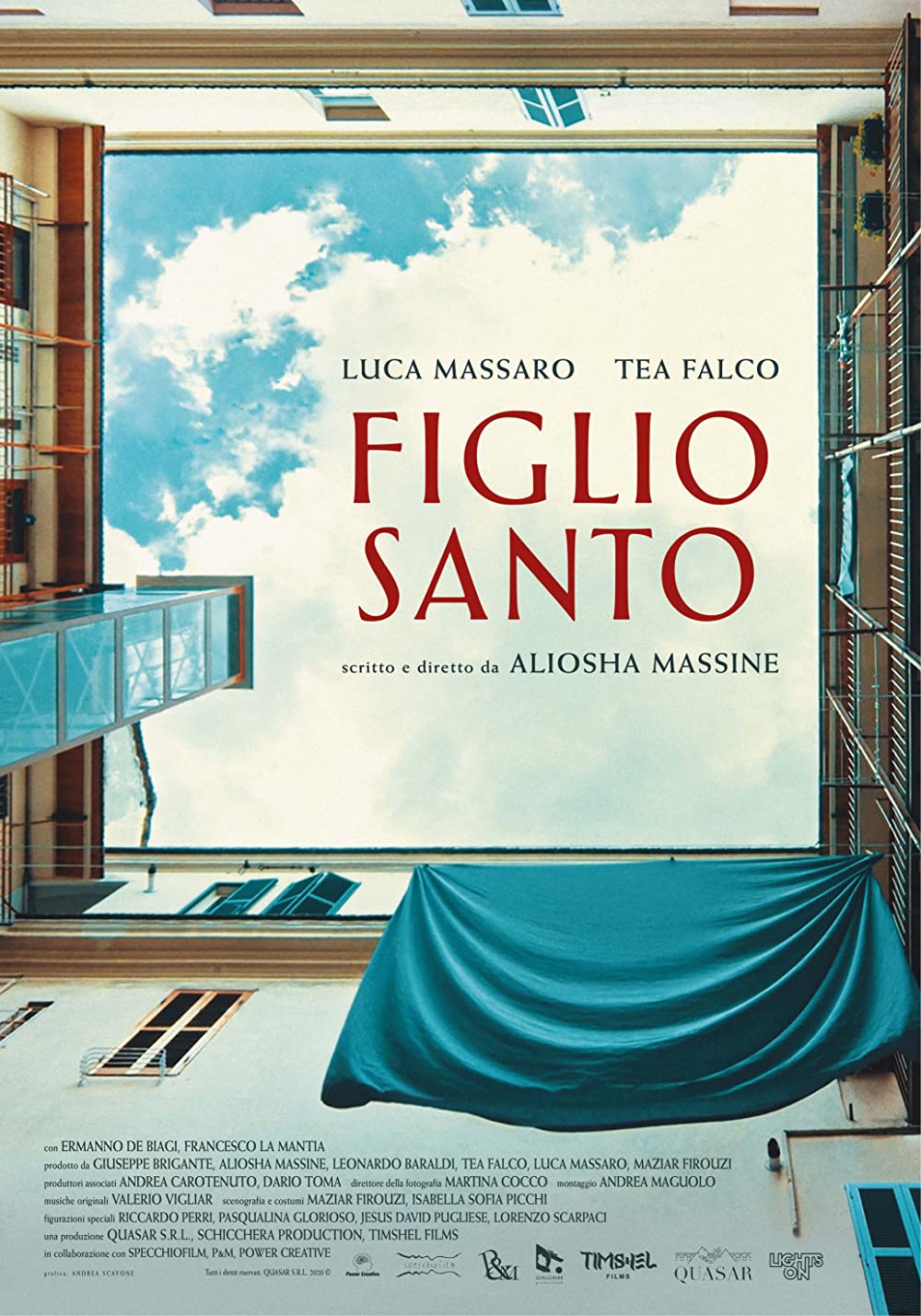
In Aliosha Massine’s Holy Son, the daily routine of a young couple is disturbed by some shocking news. A strange dream appears to herald a terrible and, at the same time, wonderful truth. You have to choose between dream and reality. They are not the same.

ALIOSHA MASSINE

Aliosha Massine was born in Rome on 11 July 1991.
Coming from a family of choreographers and dancers, from the age of 5 to 12 he studied ballet at the school of the Teatro dell’Opera in Rome and debuted in 2000 as a dancer, at the age of 9, at the Teatro dell’Opera, with Vladimir Vassiliev in the ballet “Lungo viaggio nella notte di Natale”. Later, aged 14, having given up studying ballet, he devoted himself to acting.
At the age of 16 he made his debut as an actor alongside Sergio Fiorentini.
After school he started to study philosophy at the University of Roma Tre while continuing to act with the touring company formed by Fiorentini.
On 10 June 2011, together with 50 other actors, artists and technicians, he occupied the Teatro Valle in Rome. There he had the good fortune to meet and take acting and directing courses with Elio Germano, Giacomo Ciarrapico and Fausto Paravidino. He abandoned his studies in philosophy in 2012 to move to Turin to complete his training as an actor at the Teatro Stabile of Turin, where he studied with Valerio Binasco, Renato Carpentieri, Claudio Morganti, Thomas Richards, Antonio Latella, Michela Cescon and Davide Ferrario.

After completing his studies, in 2015, he moved to Modena, to the Ert (Emilia Romagna Teatro) to work as an actor in the “Santa Estasi” project directed by Antonio Latella.
Between December 2018 and January 2019, he directed “Il posto della felicità” (“The place of happiness”), a short film produced by Marcello Fonte and Quasar film srl, currently distributed by Premiere Film, which competed in important Italian and international festivals: Alice nella city, Cortinametraggio, Visioni Italiane where it won a special mention, the San Diego Italian Film Festival where it won the special jury prize, the Social World international Film Festival, Bordeaux Shorts International Film Festival du Cinemà Minute where it gained another special mention.
His second short, “Holy Son”, produced by Quasar films, Timshel Films, is distributed by Lights On.

POSTER

CONTACT

lightson@lightsonfilm.org