Sincerely Yours Igor Bagaturiya Russia. 2021. 91 min
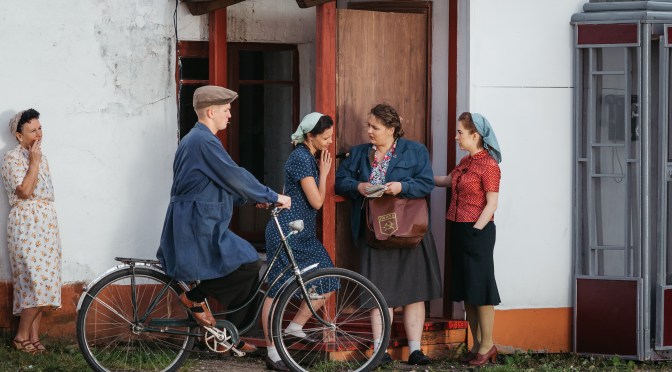
1961 year. USSR, Chelyabinsk. The young postal worker Nyurka is known for her spontaneity and kind disposition. In search of love, she travels a path full of small victories and big disappointments. No matter what happens, driven by an unquenchable thirst for happiness, Nyurka steadfastly continues to move towards her goal.
IGOR BAGATURIYA
Scriptwriter, film director, film editor. Graduated from VGIK , script and directing department (Head Masterts V.I.Romanov; V.S.Kalinin) Work as a scriptwriter at «Goodstory Media» and «Sreda» production companies.
Filmography 2021/ «Sincerely Yours»/feature film 2019/ «Phantoms of Zamoskvorechie»/ mini series 2017/ «Red River» short film 2016 short film «Book Troubles»
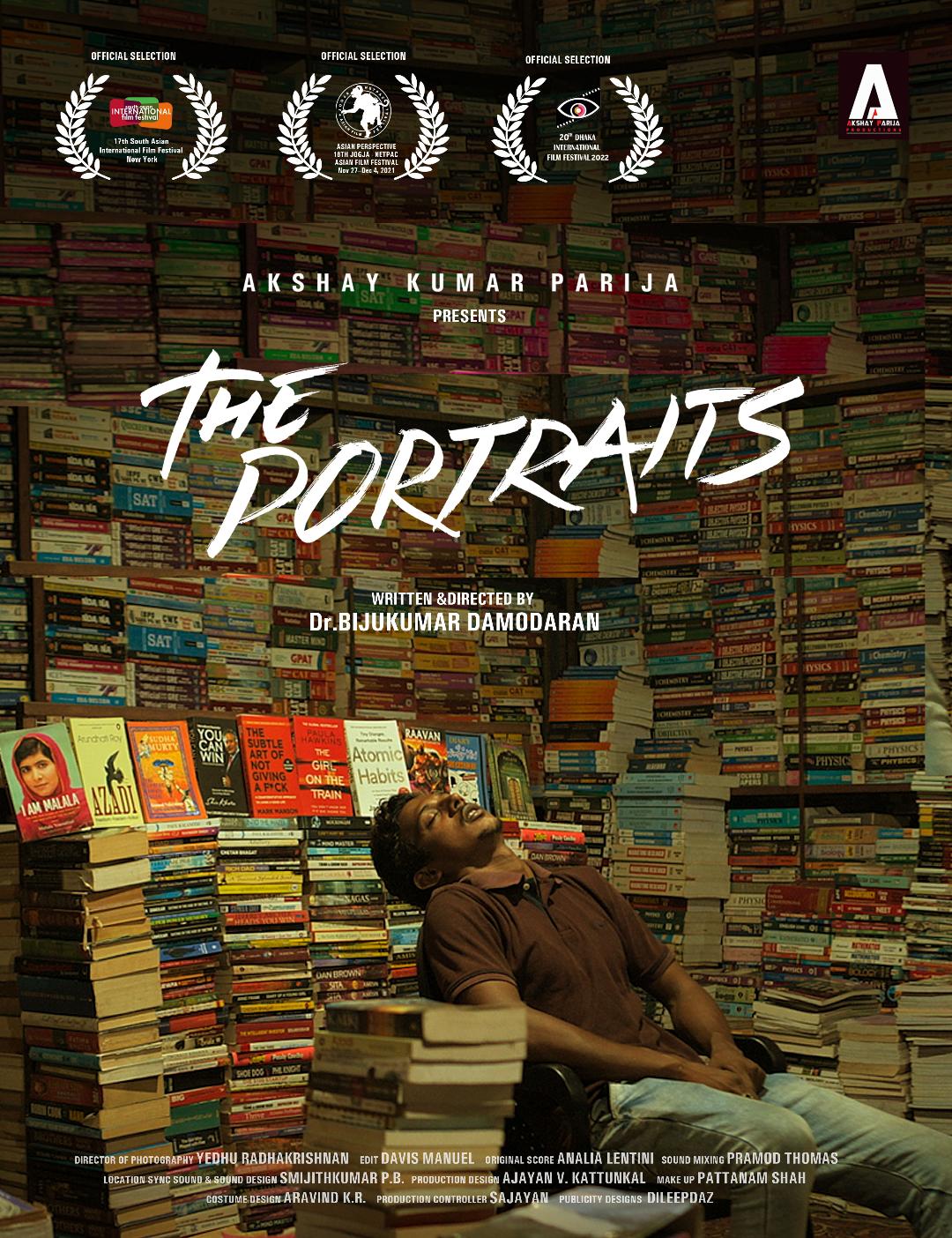
The Portraits Bijukumar Damodaran India. 2021. 89 min
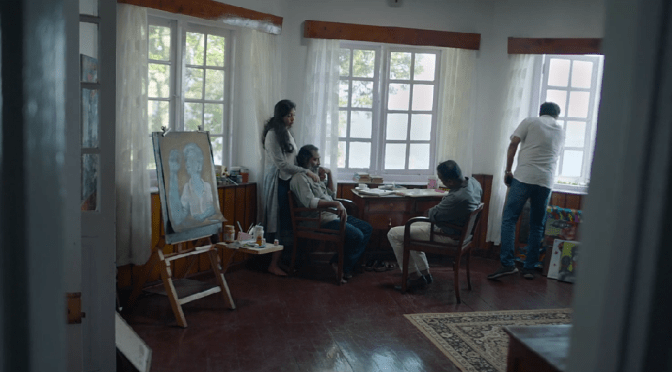
The Portraits” is a collection of six cinematic sketches that depict the various means by which fascist governments tries to silence its own people. The state hunting down its citizens suspected of political and Maoist links, suppression of people’s struggles against ecocide, mechanisation and labour strikes, people’s counter-attacks against state-sponsored violence, the state imposing a new type of obedience on its people in the wake of a new epidemic that causes its victims to go into a state of slumber; these are the six cinematic portraits that make up this collection.
BIJUKUMAR DAMODARAN
Dr. Biju (Bijukumar Damodaran) is a three-time India’s national award-winning filmmaker. He is considered one of the most important contemporary voices in Indian cinema. He is one of the rare filmmakers in India who is always raising his voice openly for social justice, gender equality, environmental problems, and marginalized people issues. His first film “Saira” was screened in the Cannes film festival in 2007 under the “Cinema of the world “section. Biju’s films have been screened at many international film festivals and won numerous awards. The festivals include Cannes, Montreal, Shanghai, Telluride, Cairo, Iran (Fajr), Eurasia Almaty, Jeonju, Tallinn, Oporto, Dhaka, IFFK, and IFFI. His film “Trees under the sun” premiered at the Shanghai International film festival 2019 and won the Outstanding Artistic Achievement award. This is the first time an Indian film won any award in the Golden Goblet competition at the Shanghai festival from its inception.
He has been invited as a member of the jury to many well-known film festivals across the world including Russia, Iran, Indonesia, India.
He was worked as a jury member for India’s National Film Awards 2012 and India’s Oscar selection committee 2015.
Set in a small village in the beautiful mountains of Uttarakhand, Sunpat is a reflection of a society that seems to have lost past and no future. Twelve-year-old Anuj and his friend Bhartu go on to discover whether the girl Anuj likes pays any heed to him. As they plan out the ways to propose her, it’s through their journey, we see the emotional trauma large part of the villages in Uttarakhand are facing due to the long-prevailing socio-economic migration which has caused desertion in their villages for more than two decades. It’s a story of love and friendship blooming at the time of hopelessness. Threading manifold issues, the story portrays the innocence of friendship, struggles of villages in the mountains, and the undesired uncertainty of life with subtlety.
RAHUL RAWAT
Rahul Rawat is an Indian film director. He started his career in advertising productions to understand content communication better and worked under renowned ad-film directors. Later, he joined Percept Pictures as a writer/Director in Mumbai. In 2014, he had won an advertising competition for the clothing brand Allen Solly. Later, his interested shifted from advertising to films as he believed films can have life changing impacts on people and found meaningful to pursue. Since then, from Producer to Director, he has worn many different hats in the span of 8 years. Sunpat is his first film as a Writer/Director.
DIRECTOR,S NOTE
A film from the core of Uttarakhand is a very rare experience as almost no films are made which can present the struggles of people living in the mountains there.
Plumber Anna Ozar, Pavel Emelin Russia. 2021. 15 min
Elena is a widow. Serafim is a plumber. Both are in their 50-s. It looks like something might happen between them. Are they gonna fix something else despite the pipe? Is it Elena’s broken heart? Or is he just fighting against social inequalities?
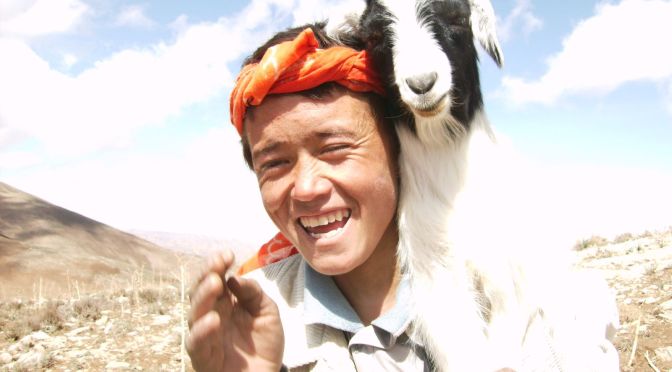
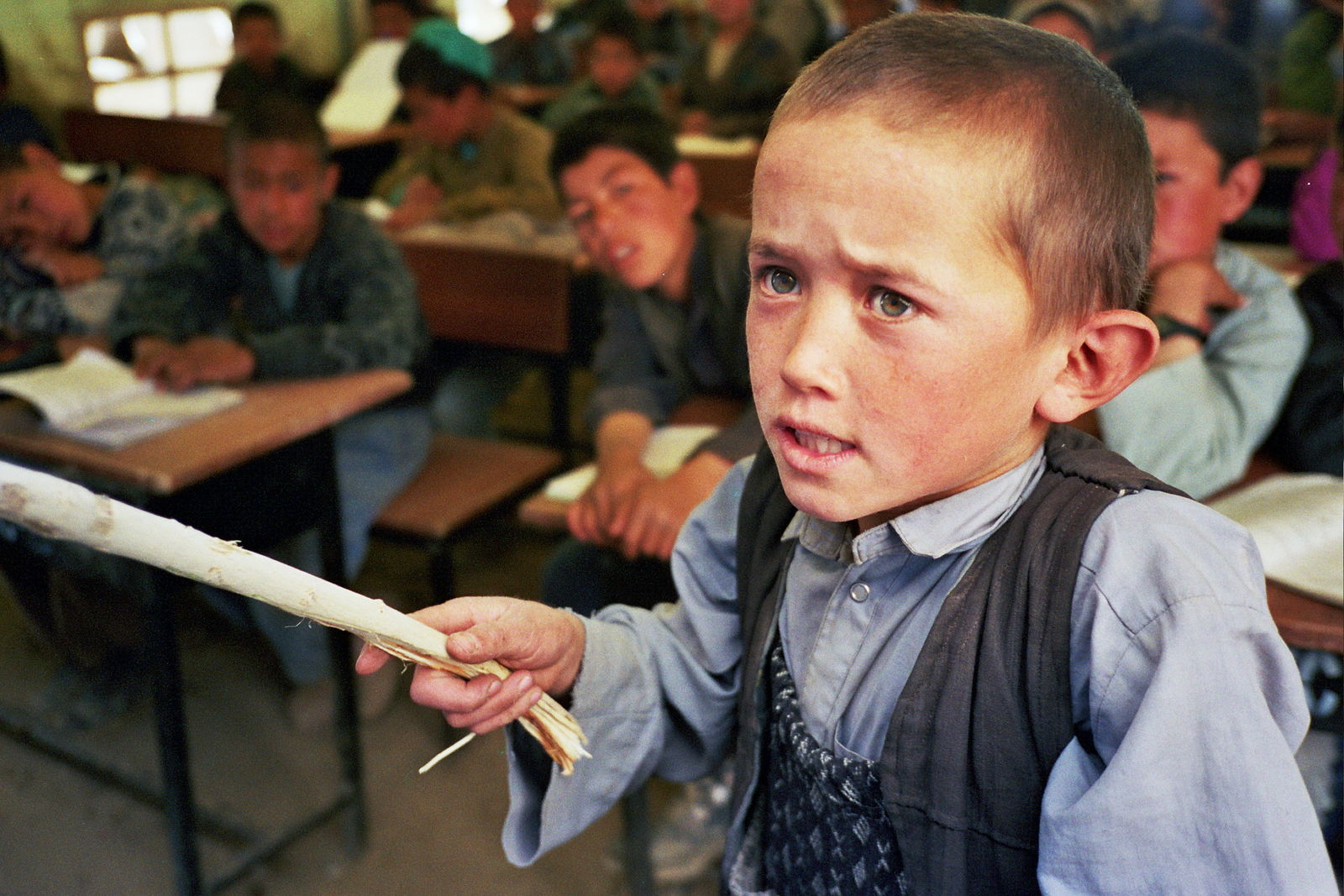
My Childhood My Country Phil Grabsky, Shoaib Sharifi Great Britain. 2021. 90 min
Award-winning filmmakers, Phil Grabsky and Shoaib Sharifi, present a real-life epic of boyhood and manhood, filmed across twenty years in one of the most embattled corners of the globe. My Childhood, My Country – 20 Years in Afghanistan follows the journey of Afghan youth, Mir Hussain, growing up in a land ravaged by war.
When we first meet Mir, he is a boy of eight playing among the ruins of the Buddhas of Bamiyan in wartorn rural Afghanistan, treating the destruction around him as a wonderful playground. It is 2002 and in the aftermath of the attacks on the World Trade Centre, US troops have landed in Afghanistan, thus beginning a seemingly endless war in one of the world’s poorest countries. This intimate feature documentary follows Mir’s journey over the next two decades, telling a remarkably personal story of the poverty, destruction, aspiration and progress that colours Afghan life today.
Now a grown man with a family of his own and an emerging career as a news cameraman in Kabul, Mir’s personal journey of pride, resilience and hope is interwoven with the narrative of his nation. Mir’s story is joined by the sobering comments of soldiers, key politicians and journalists who offer insights into the bigger picture – the successes and failures, rights and wrongs over the past 20 years of conflict.
Two decades on from 9/11 and the subsequent ‘War on Terror’, My Childhood, My Country – 20 Years in Afghanistan offers a uniquely personal insight into one of the most devastating conflicts of the 21st Century. After a trillion dollars spent by 40 countries and 150,000 lives lost, the film asks was it worth it, for Mir, his country and the world?
PHIL GRABSKY, SHOAIB SHARIFI
PHIL GRABSKY
Phil Grabsky is a screenwriter, producer and director. He and his production company, Seventh Art Productions, are behind such films as ‘In Search of Beethoven’ (2009), ‘Escape from Luanda’ (2007), ‘The Boy who Plays on the Buddhas of Bamiyan’ (2007, which won the First Prize in Time of History) and ‘The Boy Mir’ (2011). He has written four books, as well as numerous newspaper articles, and regularly appears on radio shows. Shoaib Sharafi is an award-winning Afghan journalist and filmmaker who worked closely with Phil Grabsky on “The Boy Mir.” An award-winning journalist, he has made documentaries for the BBC, Channel 4, ABC America and AMC Australia. Recently, the BBC appointed him director of the Kabul station.
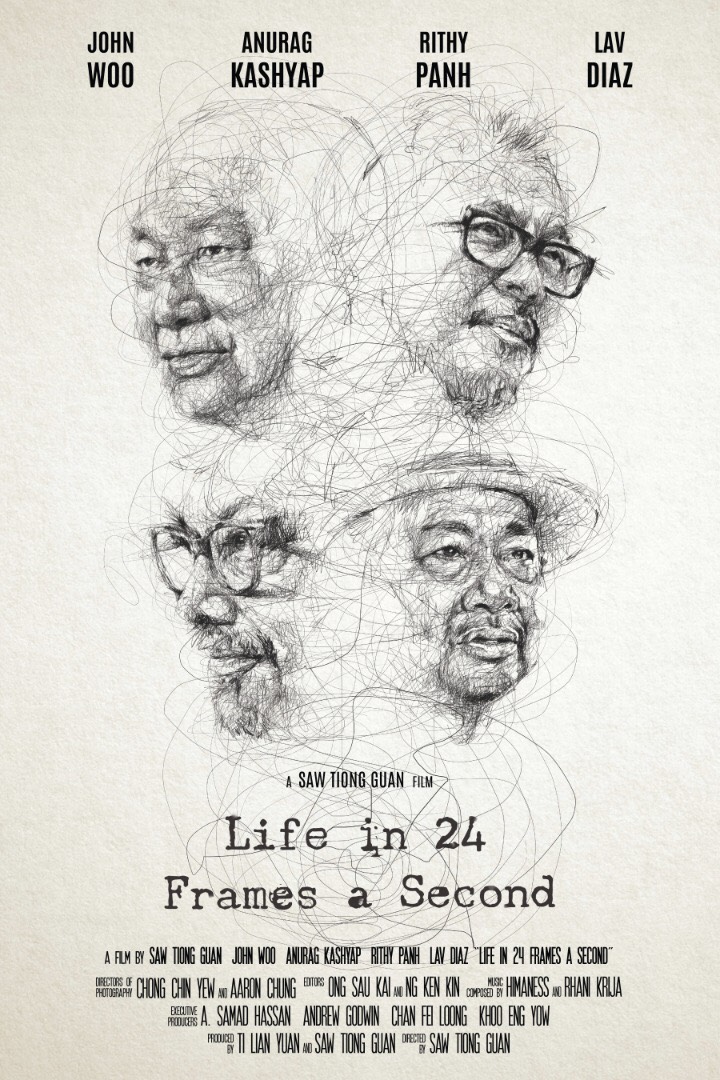
Life in 24 Frames A Second Saw Tiong Guan Malaysia. 2021. 63 min
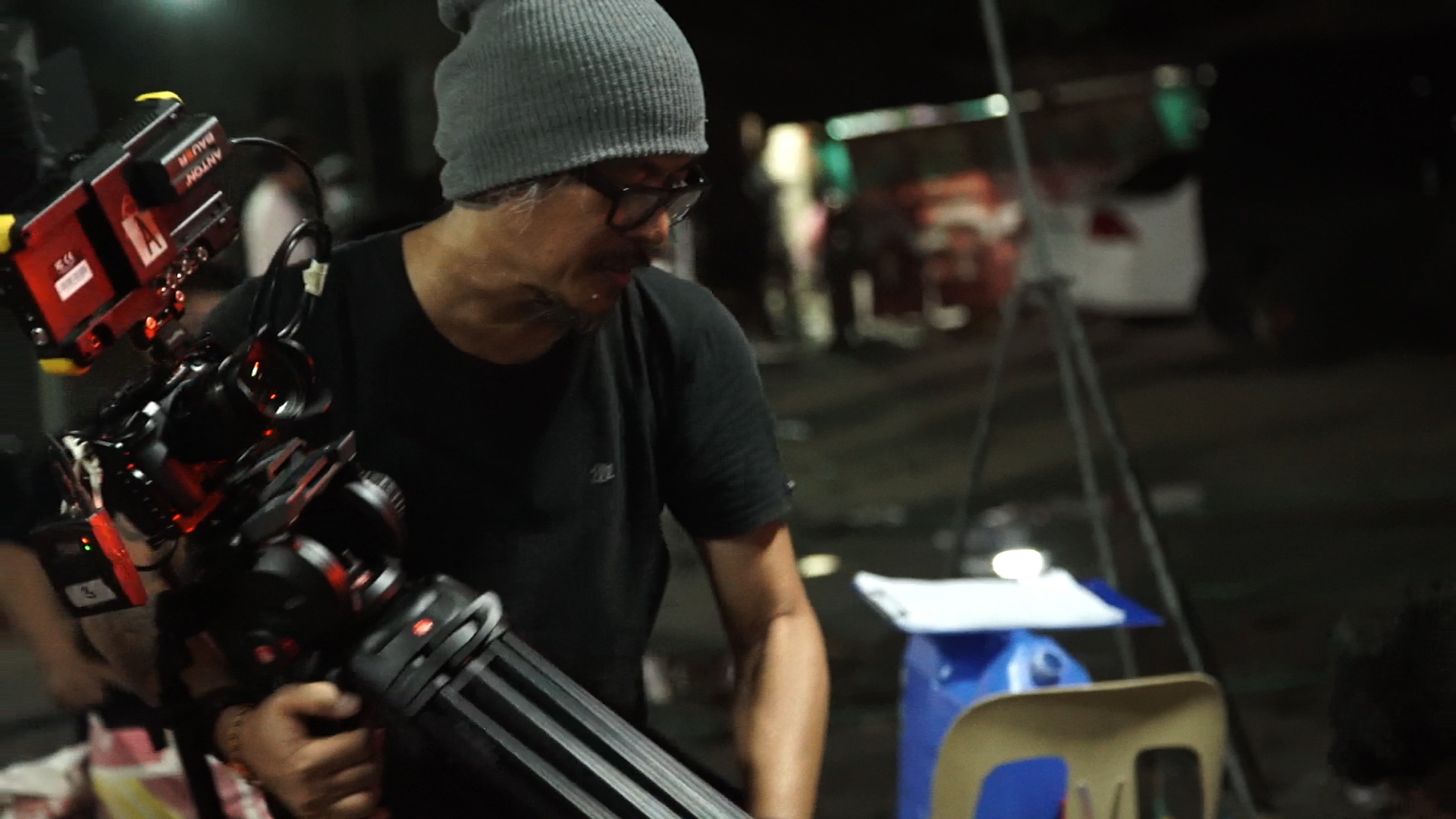
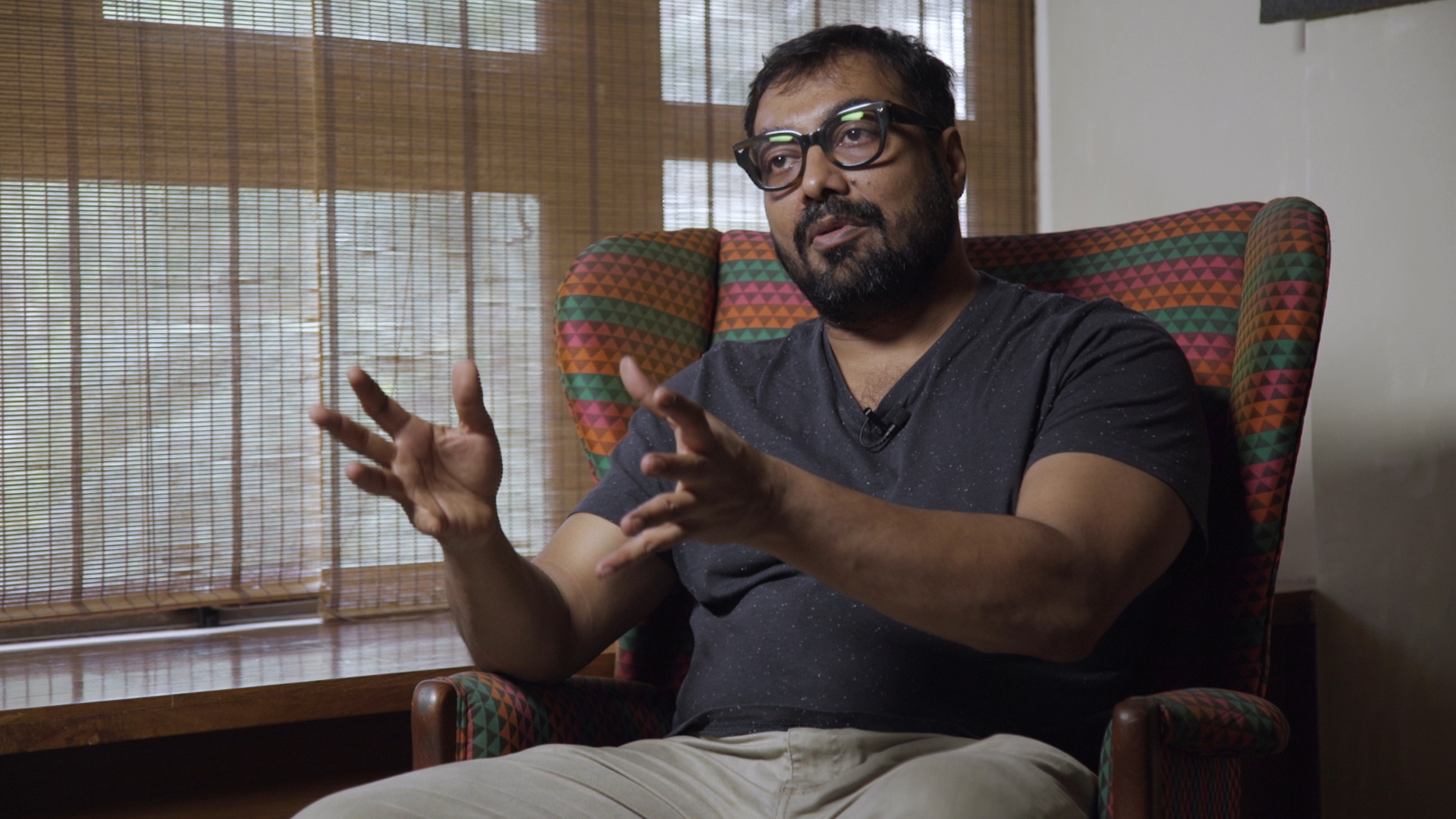
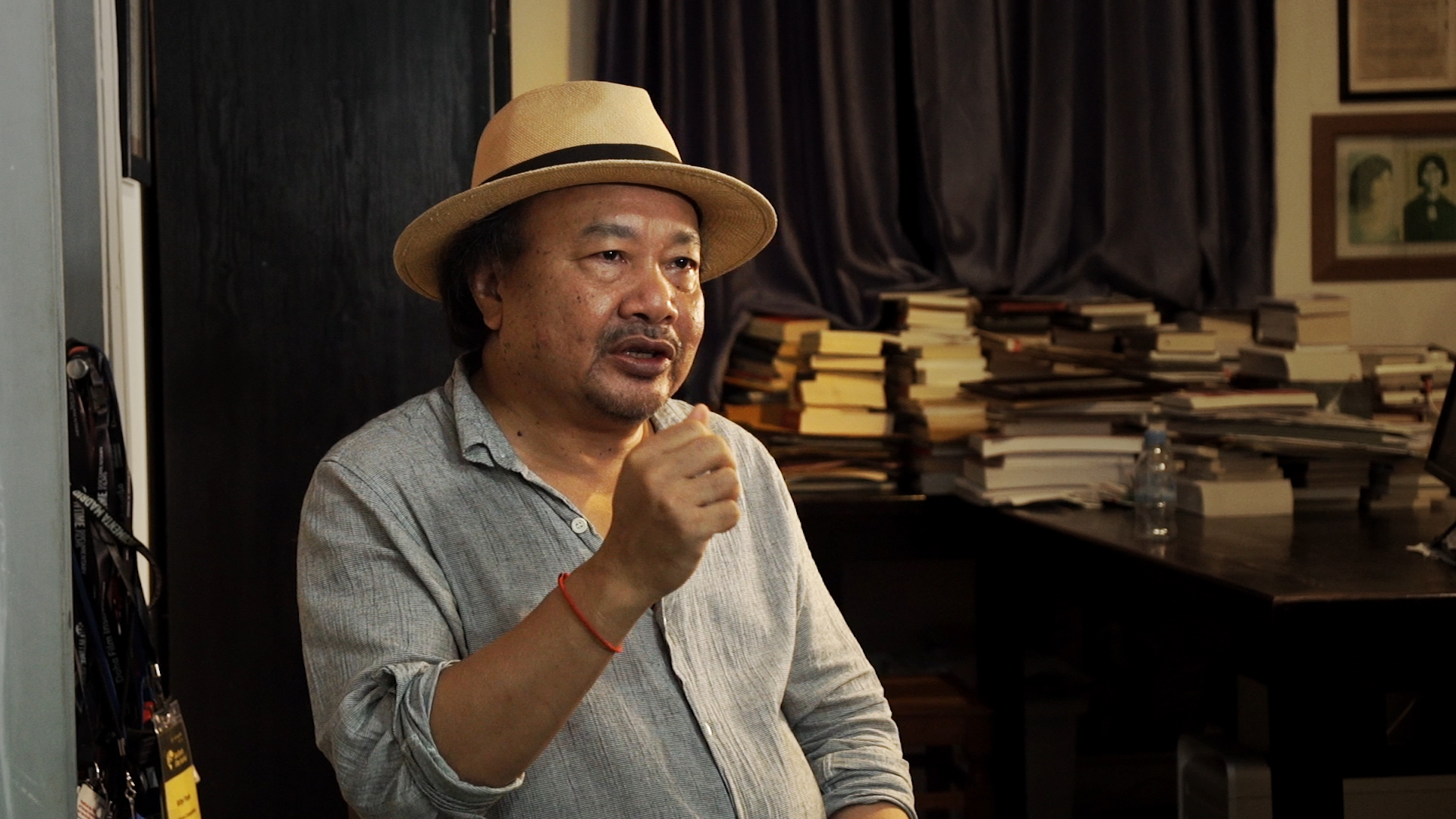
Life in 24 Frames a Second is a film about insurmountable hardship and tragedy, perseverance and triumph; told intimately by John Woo, Anurag Kashyap, Rithy Panh and Lav Diaz who before becoming revered masters of world cinema, survived the crucibles of extreme poverty, illness, sexual abuse, genocide and civil war. Through it all was their abiding love for cinema. The film explores what they suffered through their childhood, how they endured, what inspired them and the meaning of cinema in their lives.
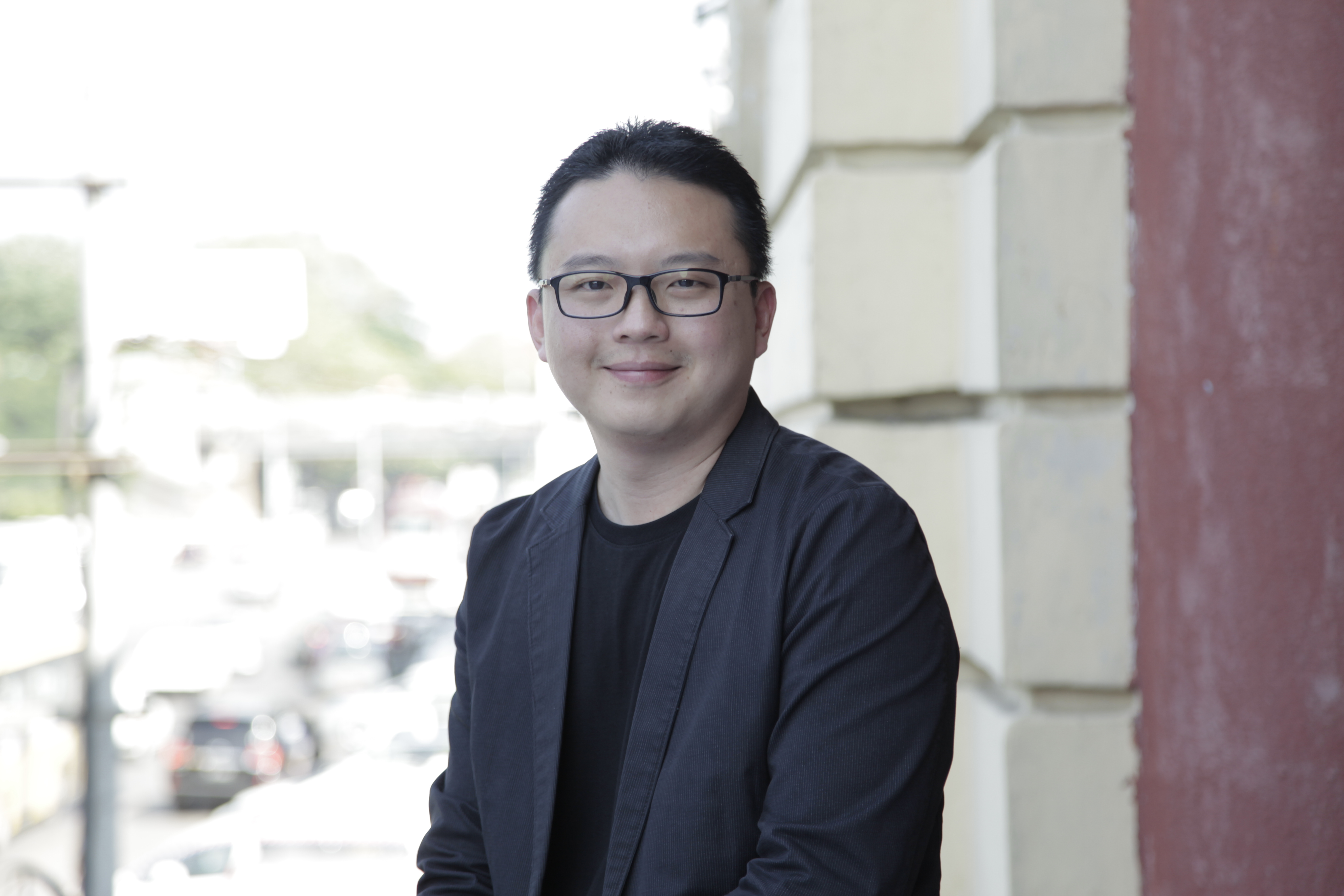
SAW TIONG GUAN
Saw Tiong Guan is a Malaysian-based lawyer-academic-filmmaker-activist. His filmography is singular in exploring the artistic pursuits and visions of world renowned filmmakers – in Past Present (2013), he sits down with Taiwanese Second New Wave’s Tsai Ming-liang and his early days in Malaysia; in Wind (2016), Saw delves into the biographical traces of Australian-born, Hong Kong-based cinematographer and Wong Kar Wai collaborator Christopher Doyle, who voyaged through the world.
In his latest documentary, Life in 24 Frames a Second, filmed on locations in Kuala Lumpur, Hong Kong, Mumbai, Phnom Penh and Manila, Saw continues his constant thesis of tracking the origin stories, the formative years, the trials and tribulations of iconic auteurs. It is a film about insurmountable hardship and tragedy, perseverance and triumph; told intimately by John Woo (The Killer, Hard Boiled), AnuragKashyap (Gangs of Wasseypur, Sacred Games), Rithy Panh (Rice People, The Missing Picture) and Lav Diaz (Batang Westside, Norte, the End of History), who before becoming revered masters of world cinema, survived the crucibles of extreme poverty, illness, sexual abuse, genocide and civil war. Through it all was their abiding love for cinema. The film explores what they suffered through their childhood, how they endured, what inspired them and the meaning of cinema in their lives.
Saw Tiong Guan was born in 1980 in Malaysia. A lawyer by training, he made his first short film G16 G17 in 2007. In 2011 he obtained a PhD degree from the University of Melbourne with a thesis examining the effects of censorship laws on the film industries in Malaysia, Hong Kong and Australia. In 2013, he made Past Present with Tsai Ming-liang. Three years later, he collaborated with Christopher Doyle to make Wind for charity. He currently teaches law at the University of Malaya, Kuala Lumpur, while pursuing filmmaking.
FILMOGRAPHY
2007 – G16 G17 (short) 2013 – Past Present 2016 – Wind (short) 2021 – Life in 24 Frames a Second
DIRECTOR,S NOTE
There are two reasons behind the making of this film. First, to raise funds for charity where all the money generated by Life in 24 Frames a Second will be donated to help provide medicine and food to children from families living in destitute. Second, it is hoped that the experiences and courage of Mr Woo, Mr Kashyap, Mr Panh and Mr Diaz will inspire and give hope to the many children around the world who is going through hardships in their lives.
The young Colombian LUZ gets a coveted position as a housemaid with a diplomatic couple. Finally, she will earn enough money to support her family in Bogota. Soon Luz discovers a dark abyss behind the perfect facade…
Ushiku takes viewers deep into the psychological and physical environment inhabited by foreign detainees in one of the largest immigration centres in Japan. On the eve of Japan’s recent – and highly contentious – immigration reform efforts, the director bypasses the media blackout the government has imposed on its immigration centres, bringing viewers into immediate contact with the detainees, many of whom are refugees seeking asylum. Detainees are held indefinitely and subject to violent deportation attempts by Japanese authorities against a background of the ensuing COVID-19 pandemic and with the spectacle of the Tokyo Olympics looming on the immediate horizon.
THOMAS ASH
In his films, Thomas Ash broadly focuses on issues surrounding health and medicine, including two feature documentaries about children living in areas of Fukushima contaminated by the 2011 nuclear meltdown, ‘In the Grey Zone‘ (2012) and ‘A2-B-C‘ (2013). His recent work has focused on death and dying and includes ‘-1287‘ (2014) and ‘Sending Off’ (2019). Thomas served as Executive Producer of ‘Boys for Sale’ (2017, dir: Itako), a documentary about male sex workers in Tokyo.
DIRECTOR,S NOTE
I first began visiting the immigration facility in Ushiku as a volunteer and was deeply affected by hearing the stories of some of the people being detained. It was only then that I began to think about how to use the power of film to bring this story to the attention of the Japanese public and the world. My motivation was not to make a film, but rather as a witness to human rights violations, I felt morally compelled to document evidence in the form of filming the detainees’ testimonies; to document their truth. The death of Wishma Sandamali Rathnayake in March 2021, who had been detained for 7 months at an immigration centre in Nagoya, and the deaths of 16 others over the past 15 years, demonstrates why so many supporters are concerned about the health and wellbeing of people suffering in indefinite detention Japan. Most of the family names and nationalities of the participants in the film are not revealed, nor is the reason why they applied for refugee status in Japan. This is to protect them as much as possible.
Tolik is a bright representative of a middle-aged family man who lives an ordinary life, makes his best to feed the family and it seems that his problems will never end. The endless debts, Kazakh weddings and funerals, everything needs money. Once he finds out that his teenage daughter is pregnant. Tolik plans to find out who the father is in order to talk to him about his daughter’s future and their future intentions. With this entire burden Tolik gets involved in an absurd adventure that almost costs the life of his best friend. Money stealing, police chase, car accident, one failure follows the other. Going through all the troubles he finally understands what are the most important things in life. And this understanding and acceptance fires the hope.
Babenco: Tell Me When I Die Barbara Paz Brazil. 2019. 75 min
I have already lived my death and now all that is left is to make a film about it.” So said the filmmaker Hector Babenco to Bárbara Paz when he realized he did not have much time left. She accepted the challenge to fulfill the last wish of her late partner: to be the main protagonist in his own death. Babenco made of cinema his medicine, and the nourishment that kept him alive. “Babenco – Tell me when I Die” is a film about filming so never to die.















 imagineindiafestival.com