
Ajantrik
Ritwik Ghatak
India. 1958. 96 min
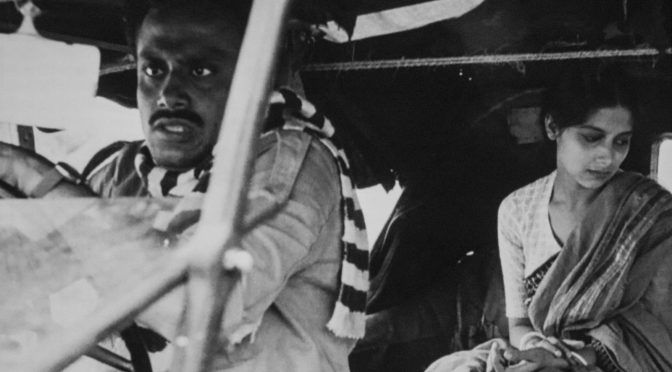
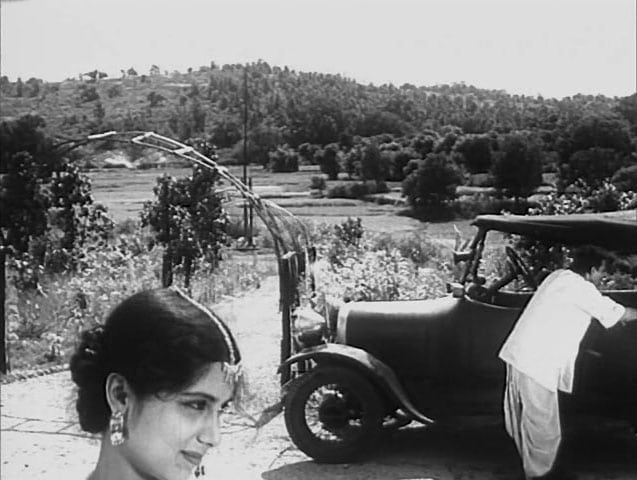
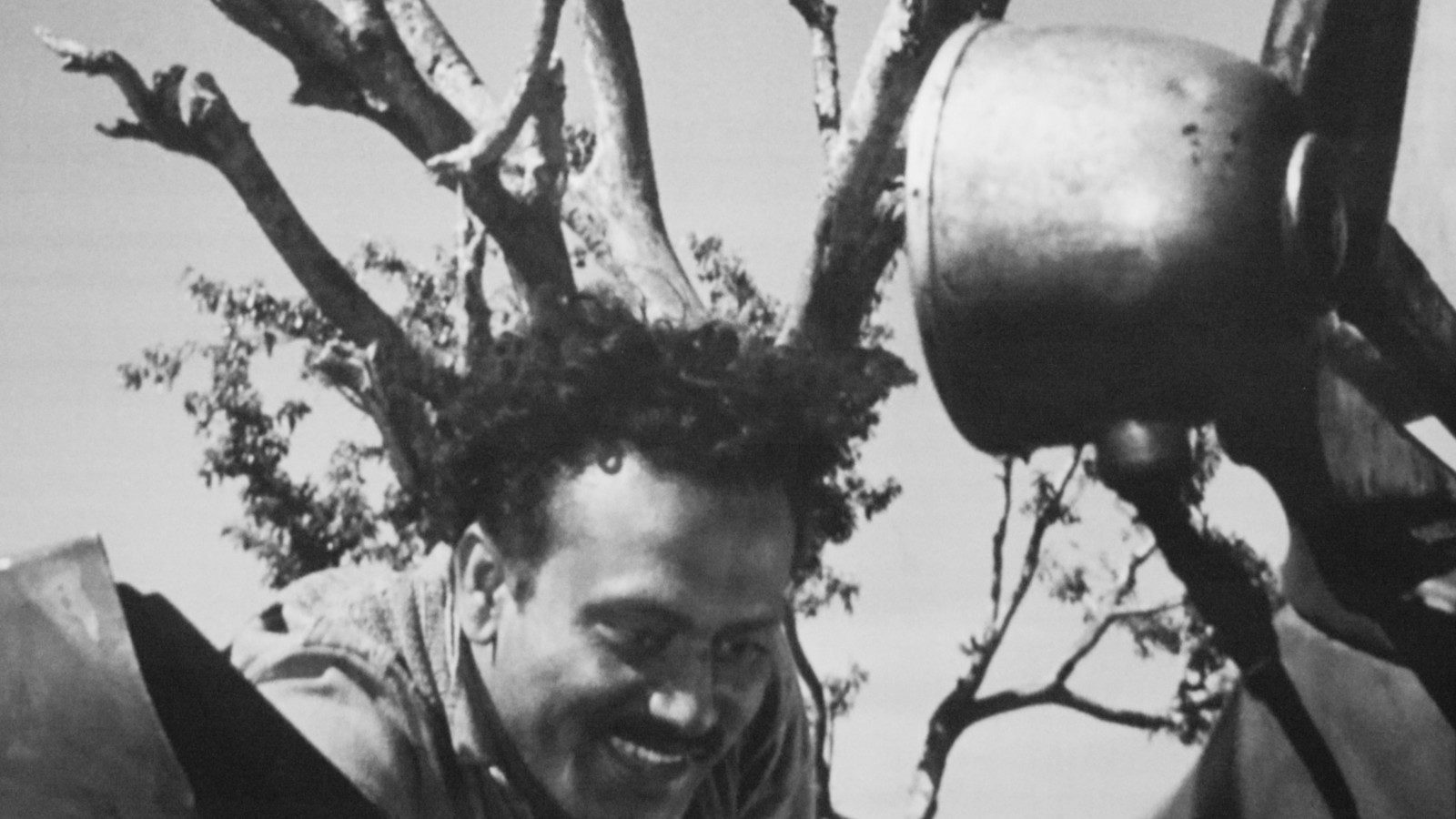
Bimal is a taxi-driver in a small provincial town. He lives alone. His taxi (an old 1920 Chevrolet jalopy which he named Jagaddal) is his only companion and, although very battered, it is the apple of Bimal’s eye. The film shows episodes from his life in the industrial wasteland, delivering people from one place to another.
Film critic Georges Sadoul shared his experience of watching the film in this way. He said, “What does ‘Ajantrik’ mean? I don’t know and I believe no one in Venice Film Festival knew…I can’t tell the whole story of the film…there was no subtitle for the film. But I saw the film spellbound till the very end”. According to the noted Bengali poet and German scholar Alokeranjan Dasgupta, “The merciless conflict of ethereal nature and mechanised civilization, through the love of taxi driver Bimal and his pathetic vehicle Jagaddal seems to be a unique gift of…modernism.”
RITWIK GHATAK

Ritwik Kumar Ghatak; 4 November 1925 – 6 February 1976) was a noted Indian film director, screenwriter and playwright. Along with prominent contemporary Bengali filmmakers like Satyajit Ray, Tapan Sinha and Mrinal Sen, his cinema is primarily remembered for its meticulous depiction of social reality, partition and feminism. He won the National Film Award’s Rajat Kamal Award for Best Story in 1974 for his Jukti Takko Aar Gappo and Best Director’s Award from Bangladesh Cine Journalist’s Association for Titash Ekti Nadir Naam. The Government of India honoured him with the Padma Shri for Arts in 1970.

POSTER

 imagineindiafestival.com