

Ann Hui On-wah, is a film director, producer, screenwriter and actress from Hong Kong who is one of the most critically acclaimed filmmakers of the Hong Kong New Wave. She is known for her films about social issues in Hong Kong which include: literary adaptations, martial arts, semi-autobiographical works, women’s issues, social phenomena, political changes, and thrillers. She served as the president of the Hong Kong Film Directors’ Guild from 2004 to 2006.
Hui has won numerous awards. She won Best Director at the Golden Horse Awards three times (1999, 2011, 2014); Best Film at the Asia Pacific Film Festival; and Best Director at the Hong Kong Film Awards six times (1983, 1996, 2009, 2012, 2015, 2018).
Only two films have won a Grand Slam (Best Picture, Best Director, Best Screenplay, Best Actor, and Best Actress) at the Hong Kong Film Awards; they are Summer Snow and A Simple Life, both directed by Ann Hui. She was honored for her lifetime accomplishments at the 2012 Asian Film Awards. In 2017, the US based Academy of Motion Picture Arts and Sciences invited Hui to become a member.
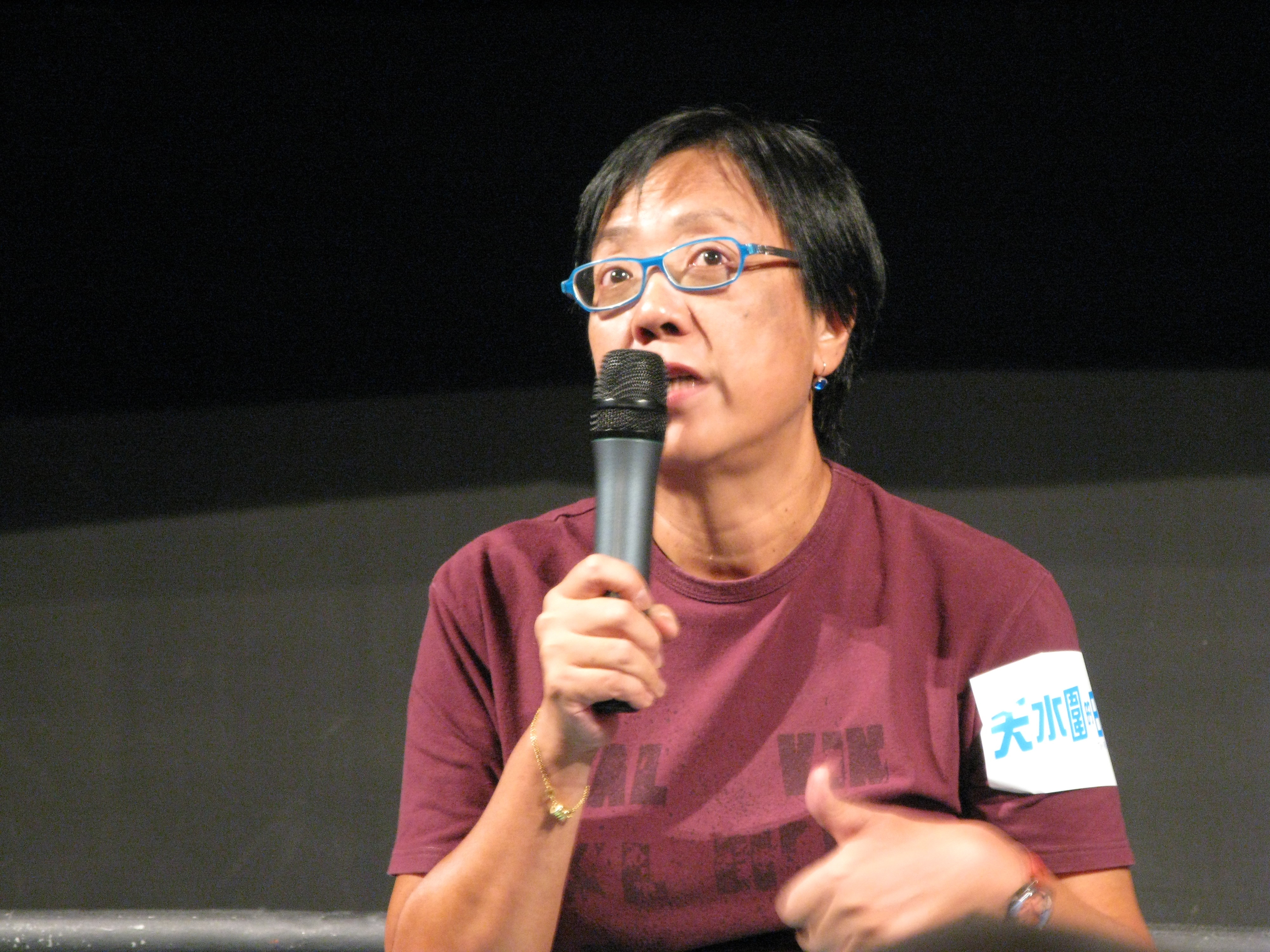
On 23 May 1947, Hui was born in Anshan, a Chinese iron-mining city in Liaoning Province. Hui’s mother was Japanese and her father was Chinese. In 1952, Hui moved to Macau, then to Hong Kong at the age of five. Hui attended St. Paul’s Convent School. She grew up in an old-fashioned Chinese family. Since her grandfather and father both love classical literature, Hui learned to recite many ancient Chinese poems. When she was in college, Ann Hui worked in the student theater troupe performing as an extra, doing busywork and designing posters. When she had trouble she couldn’t solve, she would go to the cinema to watch a movie.
When Hui returned to Hong Kong after her stay in London, she became an assistant to prominent Chinese film director King Hu. She then began working for Television Broadcasts Limited (TVB) as a scriptwriter-director and produced documentaries such as Wonderful, four episodes of CID, two of Social Worker, and one of the Dragon, Tiger, Panther series. In March 1977 she directed six dramas for the Independent Commission Against Corruption, a Hong Kong organization created to clean up government misconduct. Two of these films were so controversial that they were banned. A year later, Hui directed three episodes of Below the Lion Rock, a documentary series about people from Hong Kong, produced by public broadcasting station, Radio Television Hong Kong. The most recognized episode of Hui’s is Boy from Vietnam (1978), which is the start of her Vietnam Trilogy.
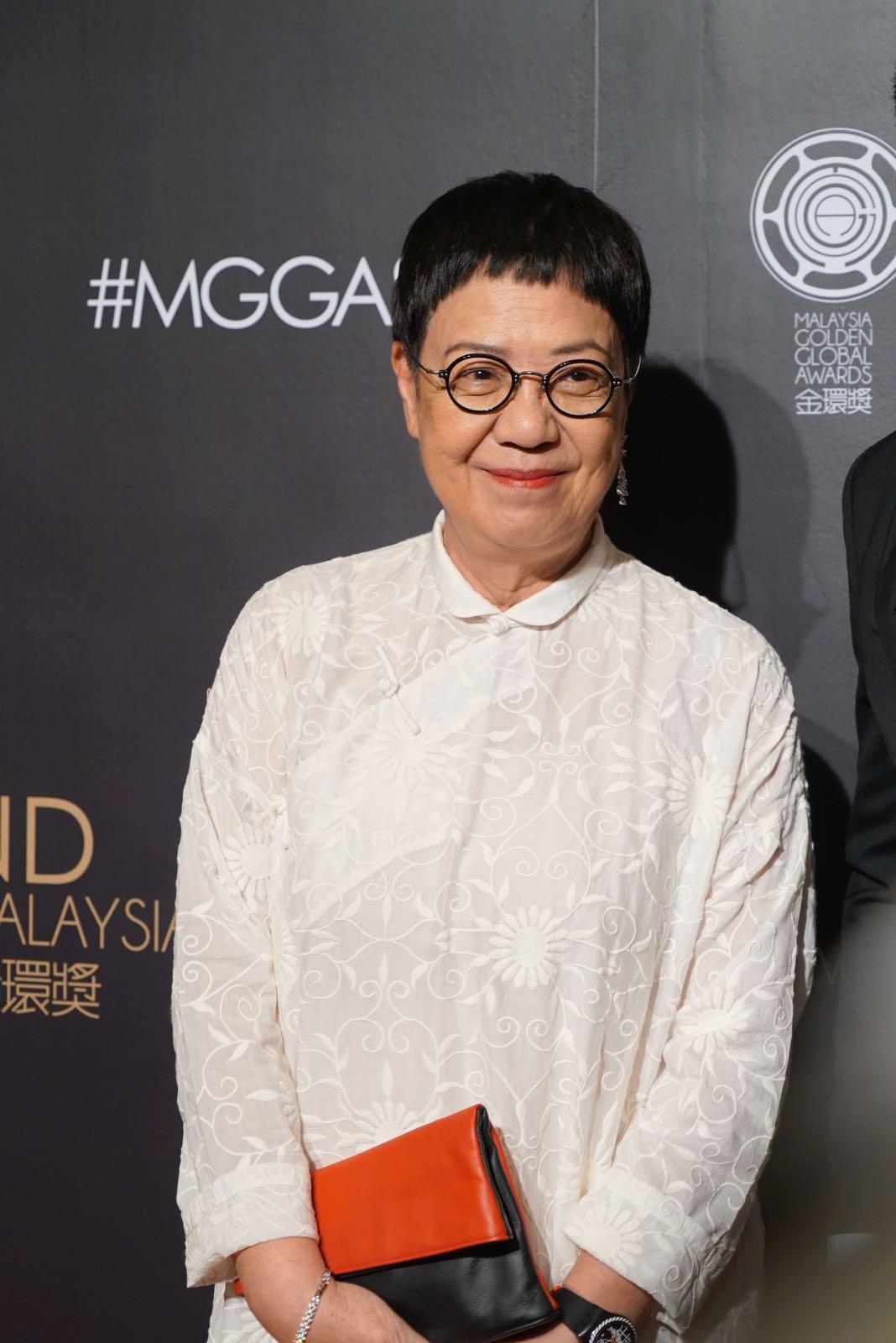
In 1979, Hui finally directed her first feature-length film, The Secret, which presents images from the gloomy and dreary old Western District, with its worn-out mansions, shadowy alleys, fallen leaves and religious rituals, such as the ceremonial rite of releasing the soul from purgatory by burning paper money and cutting off the head of a chicken. The Secret earned Hui a Golden Horse Award for Best Feature Film.
Hui’s concern for regular people, and especially women, became the most common theme in her films. She creates stories of the experiences of women. One of her most personal works is Song of the Exile (1990), a semi-autobiographical film about family connections and identity. It depicts the story of a young woman, Cheung Hueyin, returning to Hong Kong for her sister’s wedding after studying film in London for several years. Hueyin and her mother, who is Japanese, do not seem to have a steady relationship. As the film follows Hueyin’s journey to her mother’s home town in Japan, Hueyin and her mother are forced to re-examine their relationship, as both have been uprooted from their own countries. Its narratives of migration also spoke to the displacement of the Hong Kong people as they left the colony in panic to escape the impending Chinese rule. The film won both the Hong Kong Film Awards and Golden Horse Award for Best Director. She served as the president of the Hong Kong Film Directors’ Guild in 2004.
 imagineindiafestival.com