
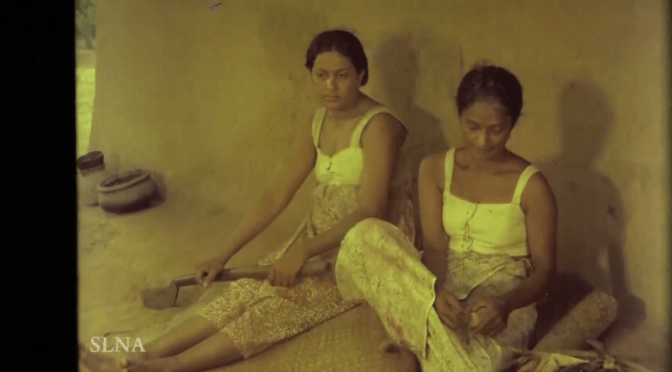
The Village in the Jungle
Lester James Peries
Sri Lanka. 1980. 120min
Adapted from Leonard Woolf’s first novel, The Village in the Jungle brings to life the harsh realities of a remote village in British-colonial Ceylon. Deep within the jungle, Silindu, an outcast, knows only two things: hunting and caring for his daughters. He struggles to provide for them amid poverty, disease, superstition and exploitation. When a cunning debt collector and corrupt village officials entrap him in a false murder case, he is dragged before a legal system that neither understands his world nor speaks his language. With striking realism and emotional depth, the film paints a devastating portrait of survival on the margins. The film also features a rare on-screen appearance by science fiction writer Sir Arthur C. Clarke in a cameo role.
LESTER JAMES PERIES
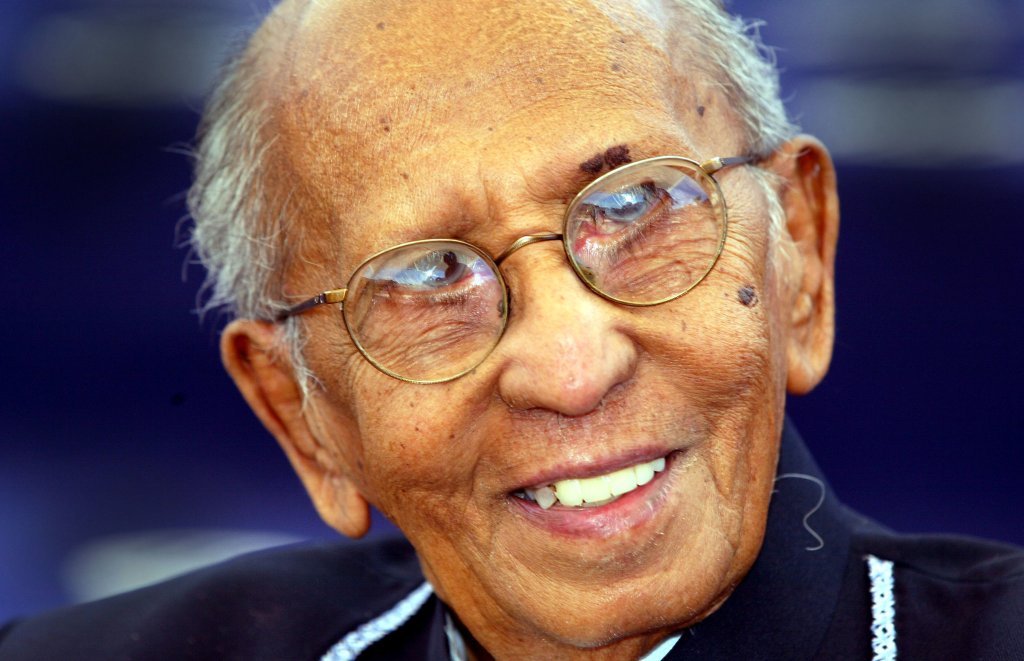
Lester James Peries (April 1919 – 29 April 2018) was a Sri Lankan film director, screenwriter, and film producer. Considered as the father of Sri Lankan cinema, Lester worked as a filmmaker from 1949 to 2006, and was involved in over 28 films, including shorts and documentaries.
He received critical acclaim for directing Rekava, Gamperaliya, Nidhanaya, Golu Hadawatha, Kaliyugaya, Awaragira and Yuganthaya. His movie Wekande Walauwa, starring Ravindra Randeniya and Malini Fonseka, was Sri Lanka’s first ever submission for the Academy Awards and the film Nidhanaya was included among the top 100 films of the century by the Cinémathèque Française. Peries’ films often deal with Sri Lankan family life in rural settings and conflicted characters. He helped create an authentic expression of Sinhala Cinema.
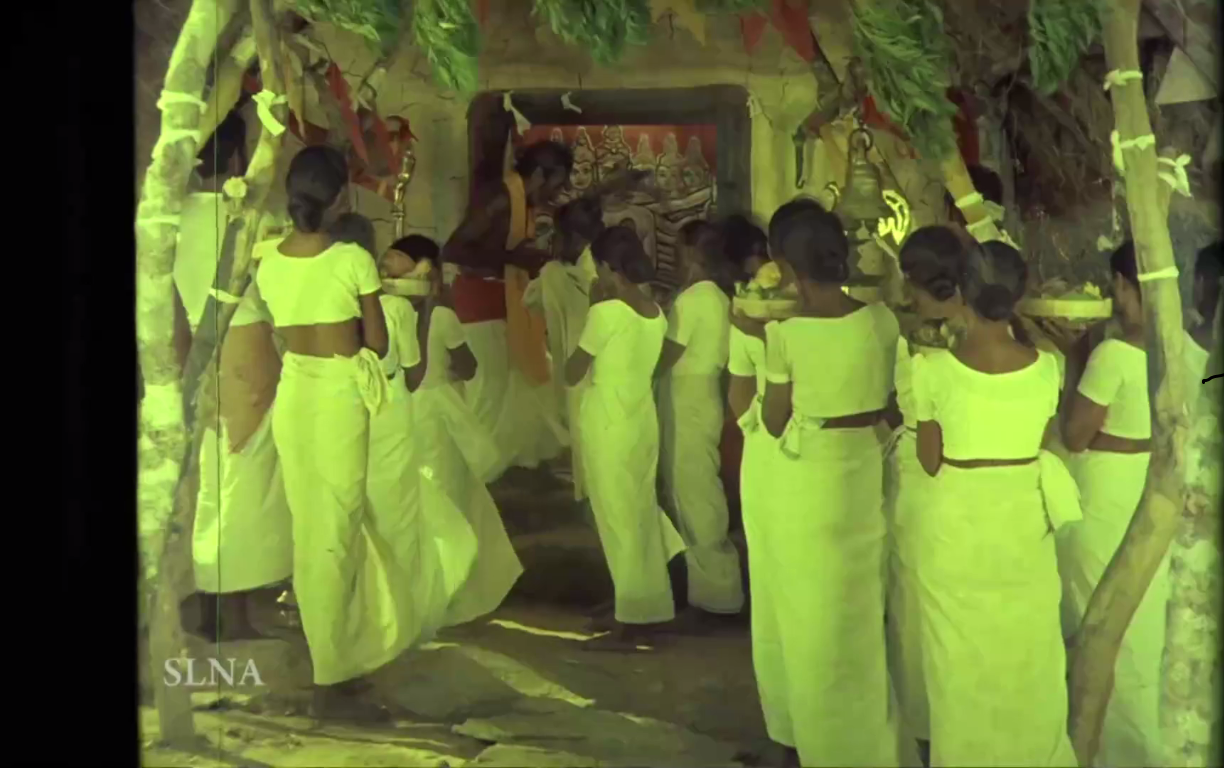
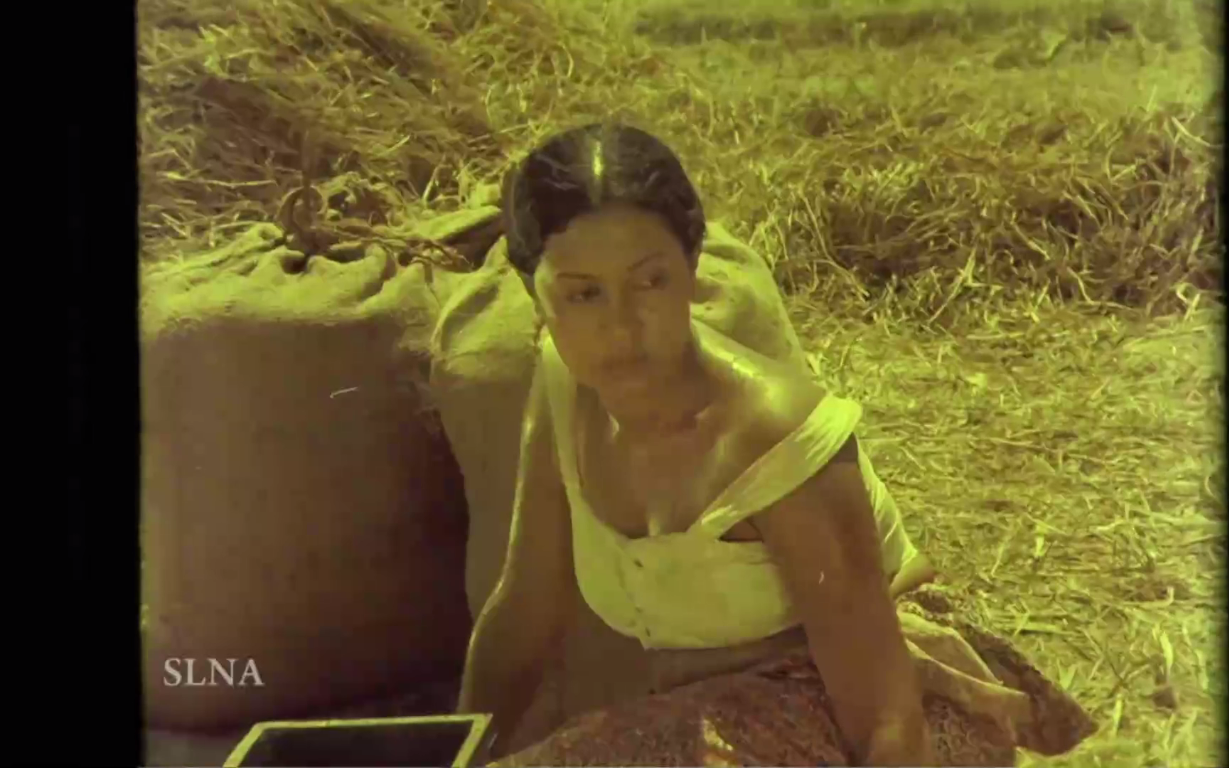
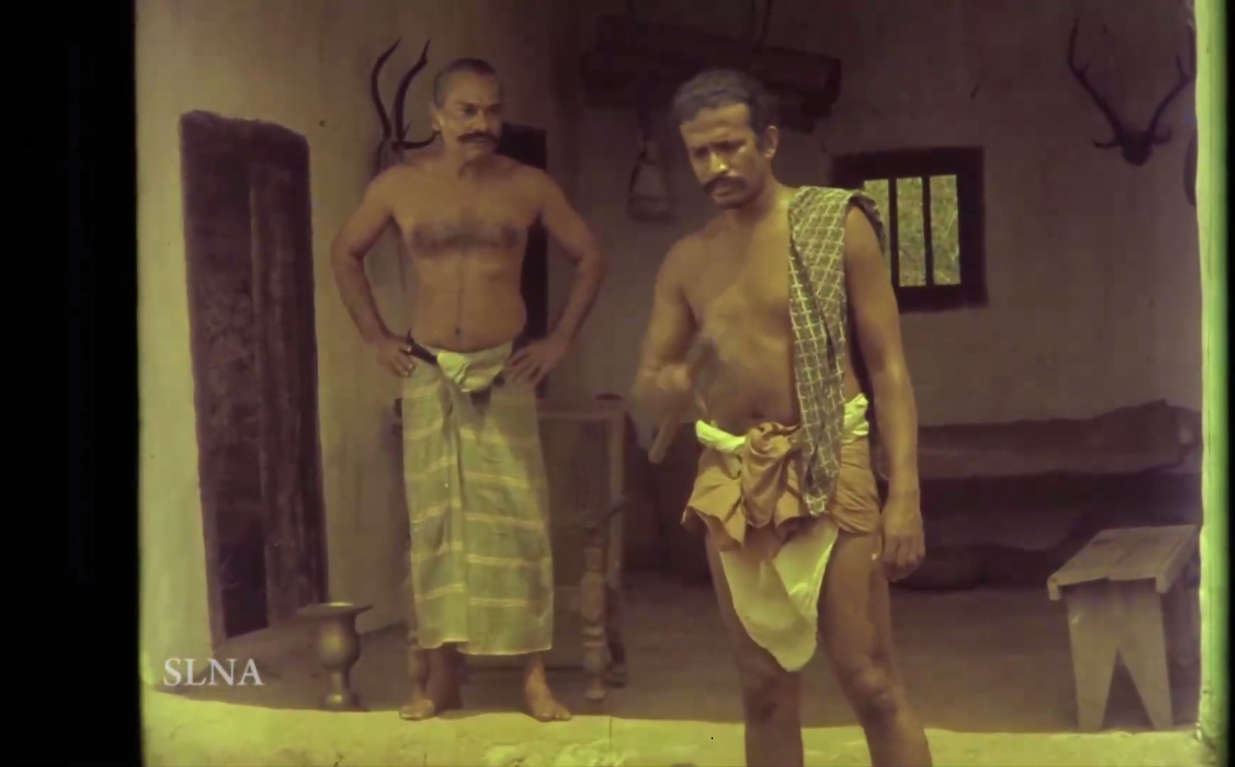
A fine cinematic adaptation of Leonard Woolf’s novel, The Village in the Jungle is a work that is considered to be one of the best observations of Asian life written by a foreigner from the West. Woolf (husband of Virginia) had worked as a civil servant from 1904-11, in what was then the prized British colony of Ceylon (now independent Sri Lanka). In both novel and film, one sees a portrayal of life in a doomed jungle settlement in the arid areas of southern Sri Lanka. Peries, the leading film director in this country, established Sri Lankan cinema in 1957 with Rekava and over the years has proven that the rich culture of this country supplies uniquely dramatic material for films. The Village in the Jungle, well known in Sri Lanka, has been a pet project of Peries’ for a decade. He wanted to capture the force of the book; the impossible economic conditions in which the villagers live and the terrifying surroundings of the jungle. Although the action occurs in the past, the customs of village life have not changed, and the interplay of human yearnings, exploitation, and superstition is timeless. A village patriarch has two marriageable daughters. He is deeply attached to them and stubbornly refuses to allow them to leave his home; there is always an excuse that they are too young to consider such matters. The situations that arise, overriding his desires and eventually bringing destruction to everyone, are evolved with the deterministic elements of folk drama and classic tragedy. Peries uses symbolism throughout the film, and the environment is beautifully enlivened by unusual images, emphasizing the luxuriant sensuality of the jungle and the beauty of the people themselves. “Is this what one hundred and fifty years of imperialism has brought to these people?” is the kind of thought the film should provoke, according to the director. The greater tragedy, however, is that after 40 years of independence, the villagers’ life has not improved at all.
 imagineindiafestival.com