

Cinema Pe Cinema
Vani Subramanian
India. 2024. 63 min
For some of us, India’s single screen cinemas are a glorious architectural and cultural legacy to be celebrated, preserved and cherished. For others, they remain a place still frequented to see the movies. Yet others lament their widespread demise, remembering how within their crumbling edifices, the magic of the movies was first encountered, that thrill of being transported to worlds beyond our imagination experienced, or a lasting connection discovered with what was unfolding on the screen.
However, cinema theatres are much more than just sites of nostalgia and personal memory. In their voluminous and darkened halls, many other stories are constantly playing out. Chronicles of hope and passion as they meet harsh economic realities. Accounts of traditional mores confronting contemporary ideas and narratives. Tales of people across class, caste, gender, religion and age coming together to share the familiar and unfamiliar, joy and tears, song and dance, action and emotion. Anecdotes of how, despite the intimacy of the space and kinship formed while watching a movie together, we remain segregated across aisles of power, culture and difference.
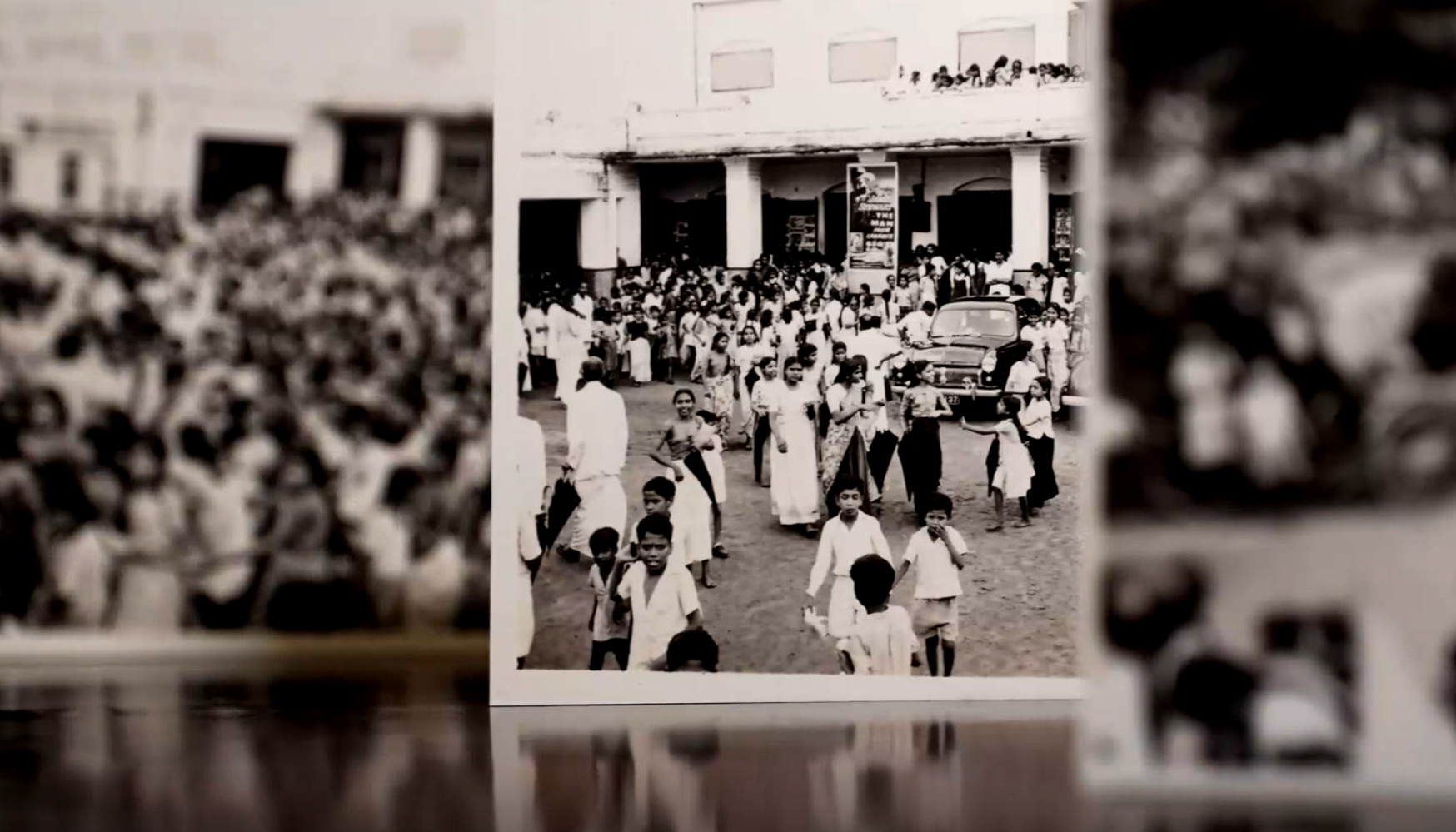
Meandering through theatres and meeting audience members in small towns and big cities across India, Cinema Pe Cinema creates a memoryscape of some women and men whose lives touch, or have been touched by single screen cinemas in India. As they share reminiscences of film-going and reflect on its connections to their lives outside the theatre, we relive larger-than-life movie moments together and even visit cinema halls that can no longer welcome anyone in.
In doing so, Cinema Pe Cinema becomes an act of resistance against forgetting single screen cinema theatres as they shutter down across India. It is an effort to keep the memories of some films alive through traces of their audio and visual ephemera. A shared cinematic space in which diverse audiences speak of single screen theatre-going experiences that often carry forward into multiplex cinemas in these highly polarised times.
VANI SUBRAMANIAN

One-time advertising writer, Vani Subramanian has been a women’s rights activist and documentary filmmaker since the nineties. Her work as a filmmaker explores the connections between our everyday practices, perceptions and prejudices, and the larger political questions confronting us – be they in the areas of culture, food practices and production, education, sectarian intolerance, sex selective abortions, or questions relating to justice and the death penalty. Her films have been screened and received awards, both nationally and internationally.
Her most recent film, titled Cinema Pe Cinema: The Theatres. The movies. And Us creates a memoryscape of some people whose lives touch, or have been touched by single screen cinemas in India, and explores their complex and layered relationships with the theatres and others in the audience.
Over the years, she has extended her practice to video art in performance, as well as mixed media installations and pop-up digital art shows. The issues that move her to create these works reflect her varied interests and concerns: gender and space, neighbourhood histories and memory, as well as the punishment of death as experienced and spoken about by those on death row in India.
Vani has been visiting/guest faculty at School of Planning and Architecture, New Delhi, College of Arts, Architecture & Planning & the Department of Theatre, Film & Dance, Cornell University, NY, as well as Sushant School of Architecture, Gurgaon and Mahatma Gandhi Hindi University, Wardha. Presently she is the Creative Director of reFrame Institute of Art and Expression, an initiative that produces, mentors and disseminates artistic efforts that respond to contemporary challenges.
DIRECTOR´S NOTE
Much has been written and celebrated about the film industry in India. One of the largest, most multilingual and vibrant cinema centres of the world, it produces more than a thousand films each year. Ironically though, India is severely under-screened with just over 9000 cinema screens today, as compared to about 40,000 each in the United States and China. In the face of onerous taxes, legal complications, the dominance of multiplexes and the widespread reach of OTT platforms, 16,000 single screen theatres have shut down over the past 25 years. Of those that have survived, some have taken on new avatars, reinventing their architecture to serve new communities.
When my co-producer and research partner, Mary and I set out on this journey, we were drawn to the architectural and human resilience of Indian cinema halls. Designed by some of the first professionally trained Indian architects, they are representative of much more than just popular modernism. They have been symbols of family, neighbourhood, city and small town life, and even national pride. Monuments to an inclusive India, single screens were often the only spaces where audiences of different classes, castes, genders, and religions could come together.
We began to focus on the stories of the theatres themselves, and the people whose lives have been connected to them. Those who created and preserved the cinemas, and those for whom they were meant. As we met and listened to a diversity of individuals and communities in various parts of India, the contours of a rich and complex cinematic landscape began to emerge.


REVIEWS
POSTER

CONTACT
vanishes@gmail.com
 imagineindiafestival.com
One thought on “Cinema Pe Cinema (Vani Subramanian) India”