
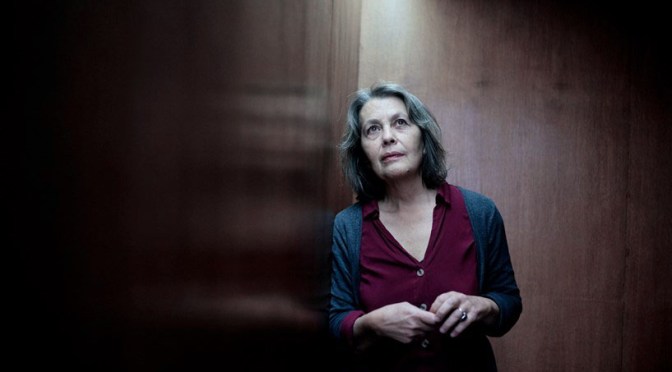
Rita Azevedo Gomes is an independent filmmaker who, since 1989, the year of her first feature film, has been recognized for her quality and autonomy in the film industry. Her films have been acclaimed by both national and international critics and have been selected for various film festivals worldwide. She has received numerous awards and has been honoured with retrospectives of her work. She is frequently invited to participate in symposiums, master classes, and debates.
She has been active in the fields of Cinema, Theatre, Opera, and other artistic domains since the early 1970s. As a filmmaker, after her debut feature film, “The Sound of the Shaking Earth” (1989), she persisted with determination in her cinematic endeavors. Nearly a decade passed, and in 2001, she directed her second feature film, “Fragile as the World,” which was enthusiastically received at the Venice Film Festival and highly praised by critics.
Since then, she has consistently followed a strong, personal, and independent path in exploring resources and experimentation, which is characteristic of her work. She has directed and produced various projects for which she received no funding, such as “Altar” (2002); “The Invisible Collection” (2008); “The 15th Stone”; and “Intromissões” (a tribute to Manoel de Oliveira, created on the occasion of his 90th birthday).
At the invitation of Faro Capital of Culture in 2005, she directed “The Conquest of Faro,” based on an original screenplay by Agustina Bessa-Luís. In 2010, she adapted Barbey D’Aurevilly’s novella, “A Woman’s Revenge,” into a film. This film received high praise from both national and international critics, establishing her global recognition as a filmmaker.
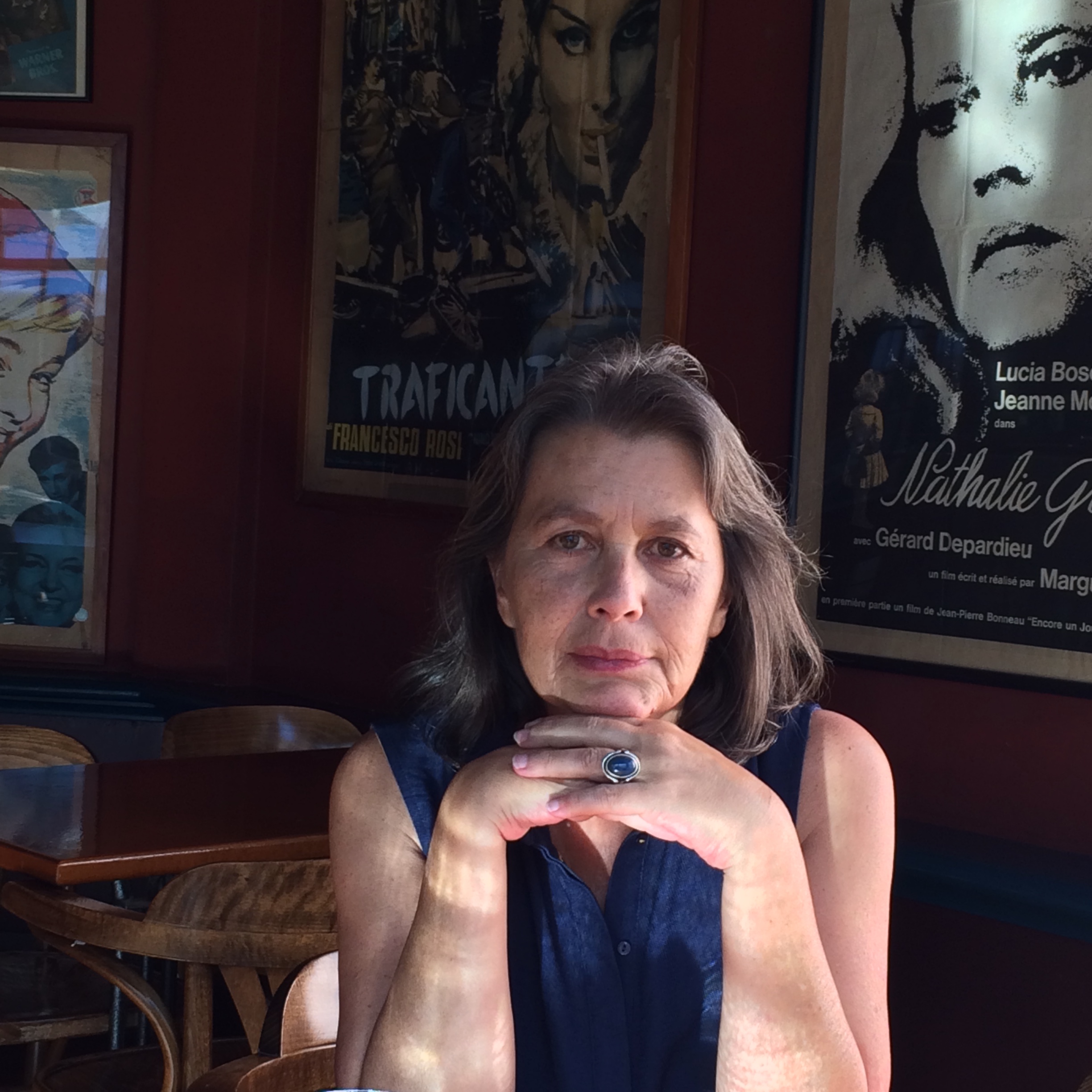
“Correspondences,” a film based on the letters exchanged between Jorge de Sena and Sophia de Mello Breyner Andresen, was in the International Competition of the Locarno International Film Festival in 2016. Since then, it has been continuously featured in various festivals, exhibitions, and cultural events worldwide.
In 2017, Rita Azevedo Gomes founded her own film production company, Basilisco Filmes. In 2018, she produced, directed, and released “The Portuguese Woman,” an adaptation of Robert Musil’s tale with collaboration from Agustina Bessa-Luís for dialogues and screenplay. The film captivated audiences in Berlin, where it had its world premiere, being considered by many as “the best film of the Festival.”
“Danses Macabres, Skeletons and Other Fantasies,” a documentary feature film co-directed with Pierre Léon and Jean Louis Schefer, had its world premiere in the Competition of the Fid Marseille in 2019, where it received the Special Jury Mention. Its Portuguese premiere took place at DocLisboa’19 and garnered strong critical interest, being hailed as “undoubtedly the best film of DocLisboa” (Christopher Small in Film Comment).
Rita Azevedo Gomes’ films have received numerous awards over the years, including Best Film awards (such as the “Lady Harimaguada de Oro” awarded to “The Portuguese Woman” at the Las Palmas International Film Festival and the Best Director Award for a Portuguese feature film “Nova FCSH” at IndieLisboa 2022 for “The Kegelstatt Trio,” which premiered at the Berlinale in 2022). Her accolades also include awards for Best Cinematography, Best Art Direction, Best Costume Design, Best Actress (Rita Durão in “A Woman’s Revenge”), among others.
Her work as a filmmaker has been acclaimed by national and international critics, from Jeonju to Hong Kong and Macau, from Mar del Plata to Mexico City, Brazil, Buenos Aires, India, Pune, Russia, and throughout Europe (Spain, Bulgaria, France, Austria, United Kingdom, Italy, Greece, Czech Republic, etc.). Her films have been distributed in Portugal, Spain, France, and Mexico.
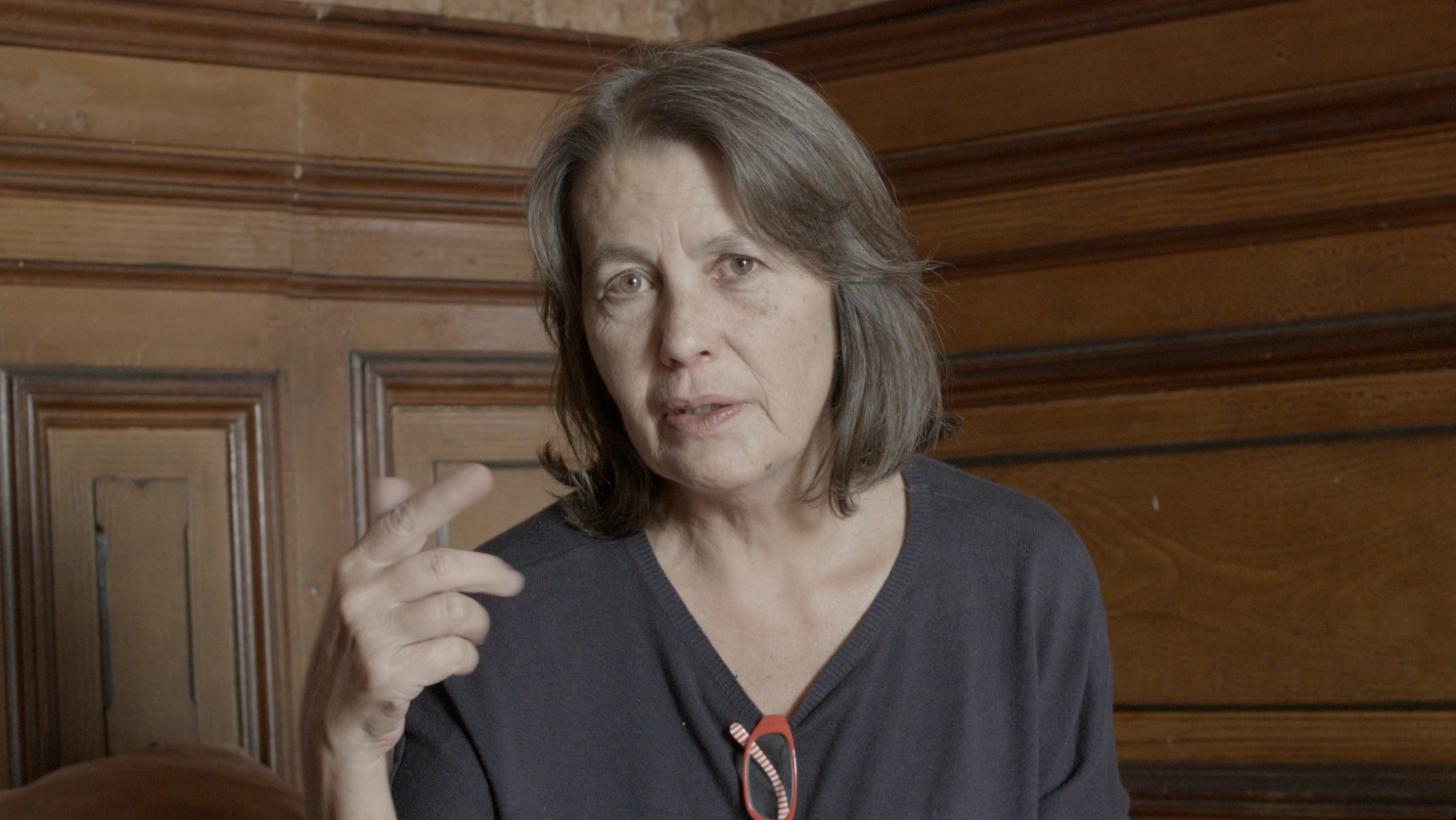
Since 2013, when the Buenos Aires International Independent Film Festival (BAFICI) paid tribute to her with a retrospective of her work, similar tributes have been dedicated to her in various places: Filmoteca de Madrid, Seville, Mexico City, São Paulo, Curitiba, Portugal (LEFFEST 2019), Chile, etc. In November 2019, the Cineuropa Festival also dedicated a retrospective to her in Santiago de Compostela, on the occasion of the Career Achievement Award. MUBI in 2020 also dedicated a global retrospective to her, including four of her films. The same was repeated with DA Films in 2021.
In addition to her filmmaking work, she has been involved in various specific projects that complement her role as a filmmaker. These projects include collaborations in the realm of theatre and opera, graphic arts, and photography. She worked directly with renowned figures such as Manoel de Oliveira, Werner Schroeter, Valéria Sarmiento, Raoul Ruiz, Joaquim Pinto, Leonardo Mouramateus, Luís Noronha da Costa (participating as an actress in their films), among others.
Parallel to her filmmaking career, since the 1970s, she has been engaged in various activities in the fields of graphic arts and photography. She has designed several cinema catalogs, including for Cinemateca Portuguesa, Calouste Gulbenkian Foundation, Porto 2001, Serralves Museum, etc. She co-founded the film magazine “M” in 1976/77.
Over the years, she has worked as an artistic director and assistant director in various theatre and opera productions. Her involvement in theatre productions like “Bérénice,” “The Seagull,” and “The Exchange,” staged by Jean-Pierre Tailhade, in Portugal and France, were pivotal experiences in her career. She was also the artistic director for several opera productions, in collaboration with T.C.C., including “La Traviata,” “Carnival of the Animals,” “King Arthur,” “Platée,” “Fairy Queen,” “Idomeneo,” among others, and was an artistic consultant for concerts, including those of Maria João Pires. In 2015, Camané invited her for the scenic conception of the album launch show “Infinito Presente” at Culturgest.
She organized and curated several exhibitions for visual artists, including António Palolo and Noronha da Costa, and for Cinemateca Portuguesa, notable ones being: “Cinema e Pintura”; “Pickpocket,” by Rui Chafes; “Não tem que me contar seja o que for,” by Jorge Molder; “A Palavra,” by José Loureiro.
In 1993, she joined the Film Programming Service of Cinemateca Portuguesa-Museum of Cinema, a position she held until 2022.
 imagineindiafestival.com